U-235 vs U-238: Key Differences Between These Uranium Isotopes
When we talk about nuclear energy or weapons, two terms frequently come up: U-235 and U-238. These mysterious-sounding codes represent two isotopes of uranium that play crucial but distinctly different roles in our world. But what exactly makes them different, and why does it matter? I've often wondered about these questions myself when reading about nuclear power.
Uranium is a fascinating element that naturally exists in several forms called isotopes. These isotopes share the same number of protons but differ in their neutron count, giving them unique properties and behaviors. The distinction between U-235 and U-238 might seem minor on paper, but in practice, it's the difference between powering a city and... well, not much at all.
In this comprehensive guide, I'll walk you through everything you need to know about these important uranium isotopes. We'll explore their fundamental differences, unique properties, real-world applications, and why these distinctions matter in fields ranging from energy production to national security. Let's dive into the atomic world of uranium!
Understanding Uranium Isotopes: The Basics
Before we compare U-235 and U-238 directly, it helps to understand what makes isotopes special in the first place. Isotopes are variants of the same chemical element that have identical numbers of protons but different numbers of neutrons in their nuclei. This difference in neutron count affects their atomic mass and, crucially, their stability.
Uranium is a naturally occurring radioactive element found in small amounts in rocks, soil, and even seawater. It's the heaviest naturally occurring element and has been around since the formation of Earth. All uranium isotopes are radioactive, meaning they undergo a process called radioactive decay where they release energy and transform into different elements over time.
The rate at which radioactive materials decay is measured by their "half-life" – the time it takes for half of the original amount of the isotope to transform into another element. This property is crucial for understanding the practical differences between U-235 and U-238. When I first learned about half-lives, I was amazed by the timescales involved – we're talking millions or even billions of years for some isotopes!
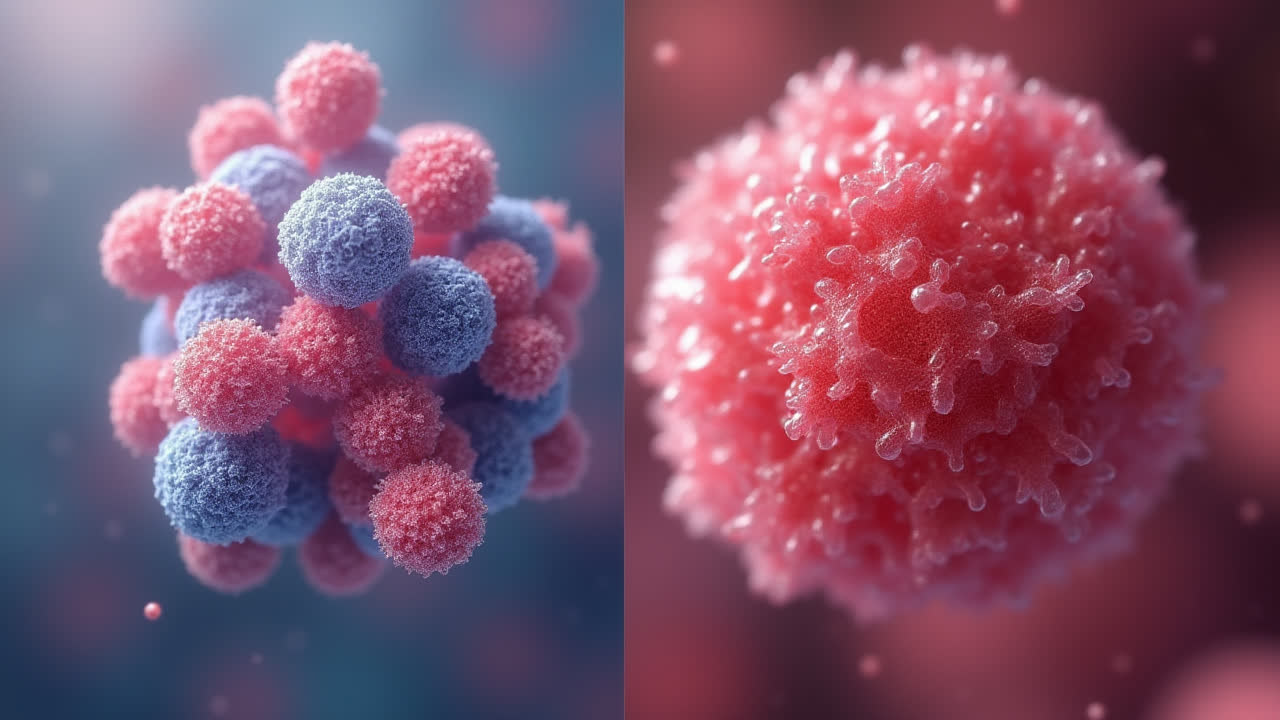
Both U-235 and U-238 are isotopes of uranium, meaning they both have 92 protons (which defines them as uranium). However, U-235 has 143 neutrons, while U-238 has 146 neutrons. This seemingly small difference leads to dramatically different properties and uses for these two isotopes, particularly in how they interact with other neutrons – a property that becomes extremely important in nuclear reactions.
U-235: The Fissile Powerhouse
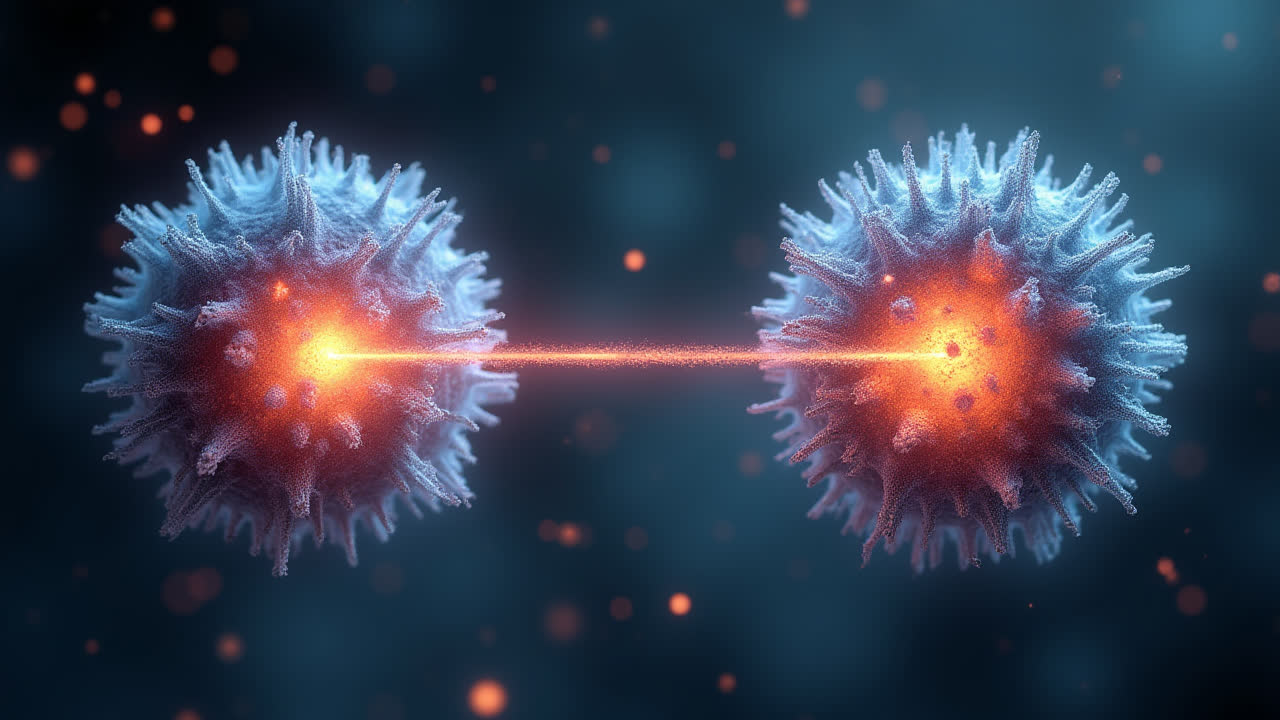
U-235 is perhaps the more famous of the two isotopes, and for good reason. It possesses a property that makes it incredibly valuable: it's fissile, meaning it can sustain a nuclear chain reaction when bombarded with neutrons. When a neutron hits a U-235 nucleus, it can split the atom into smaller fragments, releasing enormous energy and additional neutrons that can then trigger more fissions – creating the chain reaction essential for nuclear power and weapons.
One of the most striking things about U-235 is its relative scarcity in nature. It makes up only about 0.72% of natural uranium, with the vast majority being U-238. This scarcity is why uranium "enrichment" – the process of increasing the concentration of U-235 – is so important for nuclear applications. The enrichment process has been a subject of international tension at times, as highly enriched uranium can be used for nuclear weapons.
The half-life of U-235 is approximately 703 million years. While this might seem incredibly long in human terms, it's actually much shorter than that of U-238. This shorter half-life means U-235 is more radioactively active, decaying more quickly and releasing more energy in the process. When U-235 undergoes radioactive decay, it primarily does so through alpha decay, releasing an alpha particle (two protons and two neutrons) and becoming Thorium-231.
The ability of U-235 to sustain nuclear fission makes it invaluable for nuclear power generation. Nuclear power plants use uranium fuel that has been enriched to contain about 3-5% U-235, enough to sustain a controlled chain reaction but far below the level needed for weapons. In a nuclear reactor, the energy released from the fission of U-235 atoms is harnessed to heat water, produce steam, and ultimately generate electricity – a process that produces no direct carbon emissions.
U-238: The Abundant Isotope
In contrast to its more reactive sibling, U-238 is the predominant isotope of uranium found in nature, making up approximately 99% of all natural uranium. Despite being so much more abundant, U-238 has very different properties that make it less immediately useful for energy production.
The most significant difference is that U-238 is not fissile – it cannot sustain a nuclear chain reaction on its own. When a neutron strikes U-238, it might be absorbed to form U-239 (which is unstable and undergoes decay), but it doesn't typically cause the atom to split and release more neutrons. This inability to sustain a chain reaction means U-238 alone cannot be used as fuel in conventional nuclear reactors or in nuclear weapons.
However, U-238 is considered a fertile material because it can be converted into plutonium-239 through a process called neutron capture followed by beta decay. This plutonium-239 is fissile and can be used in nuclear reactors or weapons. This property makes U-238 valuable in breeder reactors, which are designed to produce more fissile material than they consume by converting U-238 into plutonium-239.
The half-life of U-238 is approximately 4.5 billion years – roughly the age of Earth itself! This extremely long half-life means it decays very slowly, making it less radioactive than U-235. Like U-235, U-238 primarily undergoes alpha decay, transforming into Thorium-234 in the process. The incredibly long half-life of U-238 explains why it's still so abundant in the Earth's crust despite being radioactive.
In modern nuclear weapons, U-238 is often used as a "tamper" material surrounding the core of fissile material. It helps reflect neutrons back into the core, increasing the efficiency of the weapon. It can also undergo fission with very high-energy neutrons in a process called fast fission, contributing to the yield of thermonuclear weapons.
Key Differences Between U-235 and U-238
| Characteristic | U-235 | U-238 |
|---|---|---|
| Number of Neutrons | 143 | 146 |
| Natural Abundance | 0.72% | 99% |
| Half-life | 703 million years | 4.5 billion years |
| Atomic Mass | 235.043 amu | 238.05 amu |
| Nuclear Property | Fissile (can sustain chain reactions) | Fertile (cannot sustain chain reactions) |
| Reaction to Neutron Bombardment | Readily undergoes fission | May capture neutron to form U-239 |
| Primary Decay Mode | Alpha decay | Alpha decay |
| Decay Product | Thorium-231 | Thorium-234 |
Practical Applications and Importance
The distinct properties of U-235 and U-238 lead to very different applications in the real world. Understanding these differences isn't just academic – it has profound implications for energy policy, international relations, and environmental considerations. Let me share how these isotopes impact our everyday lives, even if we don't realize it.
U-235's fissile nature makes it the primary fuel for conventional nuclear reactors. These reactors provide about 10% of the world's electricity – a significant carbon-free energy source. The energy density of uranium is remarkable; a single pellet of uranium fuel (about the size of a pencil eraser) contains as much energy as a ton of coal or 149 gallons of oil. Having visited a nuclear power plant once, I was struck by how little physical fuel was needed to generate so much electricity.
The energy released from U-235 fission is also harnessed in nuclear-powered ships and submarines, allowing them to operate for years without refueling. This application has transformed naval capabilities since the mid-20th century. In medicine, uranium-235 derivatives are used in certain radiotherapy treatments and in research applications.
U-238, despite not being fissile, has its own set of applications. Its high density (1.7 times denser than lead) makes it useful in applications requiring extremely dense materials, such as counterweights in aircraft, radiation shielding, and armor-piercing ammunition. Depleted uranium – uranium with the U-235 content reduced below its natural level – is primarily U-238 and is used in these non-nuclear applications.
In breeder reactors, U-238 serves as fertile material to produce plutonium-239, potentially extending uranium resources by 60 times or more compared to conventional reactors. This technology could dramatically extend the world's nuclear fuel resources, though it comes with its own technical and proliferation challenges. The conversion of U-238 to plutonium-239 also occurs in conventional reactors to a lesser extent, contributing to their fuel efficiency.
Environmental and Safety Considerations
Both U-235 and U-238 present environmental and safety considerations due to their radioactive nature. However, the differences in their properties lead to distinct concerns. While working on this article, I found myself thinking about the long-term implications of these materials remaining radioactive for millions or billions of years.
U-235's higher radioactivity and ability to sustain chain reactions makes it a greater short-term safety concern in terms of potential criticality accidents or misuse in weapons. The enrichment, handling, and storage of U-235 are subject to strict international regulations and safeguards. Nuclear facilities using enriched uranium implement multiple redundant safety systems to prevent uncontrolled reactions.
U-238, while less immediately hazardous from a nuclear reaction perspective, still presents radiological and chemical toxicity concerns. Its extremely long half-life means it will remain radioactive essentially forever in human timescales. Depleted uranium (primarily U-238) used in military applications has raised environmental concerns in areas where such weapons have been used, as uranium can enter soil and groundwater.
The waste from nuclear power plants contains both isotopes along with various fission products and transuranic elements. The management of this waste – particularly finding permanent disposal solutions – remains one of the most significant challenges for the nuclear industry. However, it's worth noting that the volume of waste produced is extremely small compared to the waste from fossil fuel electricity generation, though its hazardous nature requires special handling.
Frequently Asked Questions
Why is U-235 used in nuclear weapons while U-238 is not?
U-235 is used in nuclear weapons because it's fissile – it can sustain a rapid chain reaction when enough material is brought together (critical mass). When a neutron strikes a U-235 nucleus, it can cause the atom to split, releasing energy and more neutrons that cause additional fissions, creating an exponential release of energy. U-238, on the other hand, is not fissile under normal conditions. It cannot sustain a chain reaction because when a neutron strikes a U-238 nucleus, it typically doesn't cause fission but may be absorbed. In weapons, U-238 is often used as a tamper or reflector around the fissile core, but the primary explosive power comes from fissile materials like U-235 or plutonium-239.
How is uranium enriched to increase the percentage of U-235?
Uranium enrichment is the process of increasing the concentration of U-235 relative to U-238. This is challenging because the isotopes are chemically identical – they differ only in mass by about 1%. The main enrichment technologies exploit this small mass difference. Gas centrifuge technology, the most common method today, converts uranium to uranium hexafluoride gas and spins it at high speeds in centrifuges. The slightly heavier U-238 molecules move toward the outside, while the lighter U-235 concentrates toward the center, allowing for separation. Other methods include gaseous diffusion (where the lighter U-235 compounds diffuse through barriers slightly faster) and newer laser enrichment technologies. Each stage of enrichment increases the percentage of U-235 slightly, requiring multiple stages to reach the desired concentration.
Can U-238 ever be used directly as nuclear fuel?
U-238 cannot be used directly as a primary nuclear fuel in conventional reactors because it's not fissile – it cannot sustain a chain reaction on its own. However, U-238 plays important indirect roles in nuclear energy. In fast breeder reactors, U-238 can capture neutrons to form plutonium-239, which is fissile and can serve as fuel. This process essentially converts the non-fissile U-238 into usable fuel, dramatically extending uranium resources. Even in conventional reactors, some U-238 is converted to plutonium-239 during operation, contributing about one-third of the total energy produced. U-238 can also undergo "fast fission" with very high-energy neutrons, but this process isn't sufficient to sustain a chain reaction in most reactor designs. Future advanced reactor designs might better utilize U-238, potentially unlocking enormous energy resources.
Conclusion
The differences between U-235 and U-238 go far beyond just three neutrons. These isotopes represent a fascinating study in how small variations at the atomic level can lead to dramatically different properties and applications. U-235's ability to sustain fission chain reactions makes it invaluable for energy production but also creates weapons proliferation concerns. U-238's abundance and fertility make it a potential long-term energy resource through breeder reactor technology.
Understanding these isotopes and their distinct behaviors helps us grasp the foundations of nuclear technology – both its promises and challenges. As we continue to seek clean energy solutions while managing security and environmental concerns, the unique properties of uranium's isotopes will remain relevant for generations to come.
The next time you hear about nuclear energy or uranium enrichment in the news, you'll have a deeper appreciation for the atomic-level differences that make these discussions so important. It's amazing how something as small as three neutrons can have such profound implications for our world's energy systems and international relations!