Thread vs Yarn: Essential Differences Every Crafter Should Know
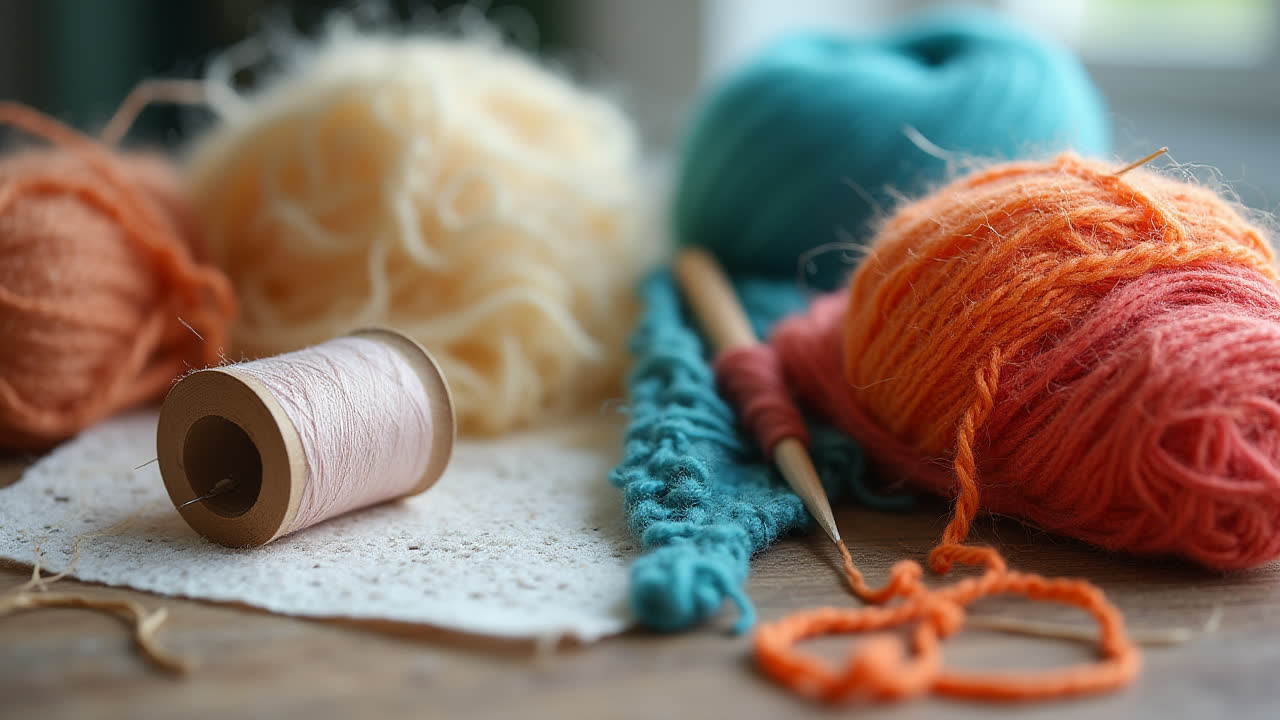
Understanding Thread: The Sewer's Companion
Thread is a thin, fine strand specifically designed for sewing, whether by hand or machine. When I first started learning to sew, I was amazed at how many different types of thread existed for various purposes! Thread is typically made from materials like cotton, polyester, nylon, or silk, and comes in countless colors to match any fabric.
What makes thread special is its strength and durability despite its thin diameter. Have you ever tried breaking a good quality thread with your hands? It's surprisingly difficult! This strength allows thread to hold fabric pieces together securely without adding bulk to seams. Thread has a tight twist pattern that contributes to its strength and makes it perfect for creating invisible stitches in garment construction.
Modern threads come in different weights (thickness) and finishes. I've found that polyester threads are incredibly versatile for everyday sewing, while cotton threads work beautifully with natural fibers. For special projects, metallic threads add sparkle, while heavy-duty threads can handle tough materials like denim or canvas. The right thread choice can make or break your sewing project—something I learned the hard way when my first quilt started unraveling because I used the wrong type!
Thread is specifically engineered to withstand the high-speed tension of sewing machines. It needs to feed smoothly through the machine's mechanisms without breaking or creating lint buildup. When examining thread closely, you'll notice it has a consistent diameter throughout its length, which helps it glide through the eye of a needle. This consistency is crucial for creating even stitches that won't pucker your fabric.
Exploring Yarn: The Knitter's Delight
Yarn is much thicker than thread and serves as the foundation for knitting, crocheting, weaving, and other fiber arts. Unlike thread's uniform appearance, yarn comes in a wonderful variety of textures, weights, and compositions. My craft room shelves are filled with skeins of yarn ranging from rustic wool to silky bamboo blends, each with its own personality!
Yarn is classified into different categories based on weight—from lace (the thinnest) to super bulky (the thickest). These classifications help crafters determine which yarn is appropriate for specific projects. A delicate baby blanket might require a lightweight yarn, while a chunky winter scarf calls for something much thicker. The thickness of yarn allows it to create fabric through interlocking loops, rather than just connecting pre-existing fabric pieces like thread does.
There are two main types of yarn construction: spun and filament. Spun yarn is made by twisting staple fibers together in either an S or Z twist pattern. When I look closely at the yarn in my hand-knit sweater, I can actually see these twist patterns! The direction of the twist affects the yarn's durability, appearance, and how it behaves when worked. Filament yarn, on the other hand, contains continuous filament fibers that are twisted together or grouped. Monofilament yarn contains a single filament, while multifilament yarn contains several.
The diversity of yarn materials is truly astounding. Natural fibers like wool, cotton, silk, and alpaca offer breathability and unique characteristics. Synthetic fibers such as acrylic and polyester provide durability and affordability. Then there are the fascinating specialty yarns—bouclé with its loops and bumps, ribbon yarn that resembles actual ribbon, and novelty yarns with sequins or other embellishments woven right in. Each creates distinctly different fabrics when worked up.
Key Differences Between Thread and Yarn
The primary distinction between thread and yarn lies in their intended uses. Thread is designed specifically for sewing and joining fabric, while yarn is meant for creating fabric through techniques like knitting or crocheting. This fundamental difference drives their distinct properties.
Size and thickness represent another obvious difference. Thread is consistently thin to pass through the eye of a needle and create nearly invisible seams. Yarn is deliberately thicker to create visible stitches and substantial fabric. I always think of thread as the behind-the-scenes worker, while yarn loves to be in the spotlight of the finished project!
Weight also distinguishes these materials. Yarn is generally much heavier than thread, which affects how it drapes and behaves when used. Thread must maintain a consistent weight to ensure even stitches, while yarn's weight variation creates different textures and effects in the finished product. Remember when chunky knits became popular a few years back? That trend relied entirely on super-bulky weight yarn that would be impossible to sew with as thread!
The production methods differ significantly too. Thread is typically made by tightly twisting fibers together at high tension to create a smooth, strong strand. Yarn, however, uses varying degrees of twist—sometimes loose and lofty for a soft feel, other times tightly twisted for durability. These production differences directly impact how each material performs in its intended application.
Thread and Yarn Comparison Table
| Characteristic | Thread | Yarn |
|---|---|---|
| Primary Use | Sewing, embroidery, darning | Knitting, crocheting, weaving |
| Thickness | Thin, fine | Thicker, varies by weight category |
| Weight | Lightweight | Heavier than thread |
| Twist Type | Tight, consistent twist | Varies from loose to tight (S or Z twist) |
| Common Materials | Cotton, polyester, silk, nylon | Wool, cotton, acrylic, alpaca, silk blends |
| Fabric Creation | Joins existing fabric | Creates fabric through interlocking loops |
| Packaging | Spools | Skeins, balls, hanks |
| Texture | Smooth, consistent | Varies greatly (fuzzy, smooth, bumpy, etc.) |
Choosing Between Thread and Yarn for Your Projects
Selecting the right material for your project depends entirely on what you're trying to create. Are you constructing a garment from fabric pieces? Thread is your go-to option. Are you making fabric from scratch through knitting or crocheting? Then yarn is what you need. Sometimes, projects might actually require both—like when you knit a sweater (using yarn) but need to sew the pieces together (using thread).
For sewing projects, thread selection should be based on the fabric type. Lightweight fabrics need fine thread, while heavier fabrics require stronger, thicker thread. Generally, I find it's best to match your thread color to your fabric unless you're going for a decorative contrast stitch. When in doubt, go with a slightly darker shade rather than lighter—it blends better visually.
For yarn projects, consider both the appearance and performance of the finished item. A winter hat needs warm wool or acrylic yarn, while a summer top might be better with cotton or bamboo yarn. The yarn weight affects how quickly you can complete a project and how the finished item will look and feel. I once made the mistake of using a lightweight yarn for what should have been a chunky scarf pattern—it took forever and didn't have the cozy bulk I wanted!
Both thread and yarn have specialty varieties for specific applications. Embroidery thread comes in beautiful variegated colors for decorative stitching. Hand-quilting thread has special properties that allow it to glide through multiple fabric layers. Similarly, sock yarn contains nylon for durability, and baby yarn is specially processed to be extra soft against sensitive skin. Understanding these specialty types helps ensure success in your craft projects.
Similarities Between Thread and Yarn
Despite their differences, thread and yarn share some important similarities. Both are made from textile fibers, either natural or synthetic. Cotton, wool, silk, polyester, and nylon can be found in both thread and yarn varieties, though processed differently for their specific purposes. This shared material base means many of the care principles apply to both—for instance, cotton in either form may shrink when washed in hot water.
Both thread and yarn come in an incredible rainbow of colors to match any project need. The dyeing processes are similar, although thread tends to focus on solid colors for matching fabrics, while yarn embraces color variation like hand-dyed, ombré, and self-striping options. I'm always amazed at how thread manufacturers can perfectly match obscure fabric colors, while yarn dyers create stunning colorways that would be impractical for thread.
Another similarity is that quality matters tremendously for both materials. Low-quality thread breaks easily and can cause sewing machine problems. Similarly, poor-quality yarn may pill, stretch out of shape, or feel uncomfortable against the skin. I've learned through experience that investing in good quality materials—whether thread or yarn—saves frustration and results in more professional-looking finished projects.
Both thread and yarn have ancient origins and have been essential to human civilization for thousands of years. Before industrialization, both were hand-spun using similar techniques, with the main difference being the thickness of the final product. It's humbling to think that when I sit down to knit or sew, I'm participating in a tradition that connects me to countless generations of crafters throughout human history.
Frequently Asked Questions About Thread and Yarn
Can I use thread for knitting or crocheting?
While technically possible, using sewing thread for knitting or crocheting isn't practical for most projects. Thread is too thin to work up efficiently with knitting needles or crochet hooks, and would result in an extremely time-consuming process. For delicate lace projects, however, specialized crochet thread (which is thicker than sewing thread but thinner than standard yarn) is available. If you're interested in fine work, look for crochet thread or lace-weight yarn rather than attempting to use regular sewing thread.
Can yarn be used for sewing?
Yarn is generally too thick to use for standard machine or hand sewing. It won't fit through the eye of most sewing needles and is too bulky for creating clean seams. However, yarn can be used for decorative hand-sewing techniques like couching (where the yarn is laid on the fabric surface and stitched down with thread) or for visible mending techniques. Some crafters also use yarn for basting very thick materials temporarily, though this isn't common practice. For joining knitted or crocheted pieces, it's better to use a tapestry needle and the same yarn used in the project rather than sewing thread.
How do I determine which weight of yarn or thread to use for my project?
For thread, match the weight to your fabric type and sewing method. Lightweight fabrics need fine thread (50-60 weight), medium fabrics work well with all-purpose thread (40 weight), and heavyweight fabrics require heavy-duty thread (30 weight or lower). For machine quilting, 50 weight is standard, while hand quilting often uses 40 weight. For yarn, follow pattern recommendations when available. If creating your own design, consider the intended use of the item. Lace weight (0) creates delicate items, fingering/sock (1) works for socks and lightweight accessories, DK/light worsted (3) is versatile for garments, worsted/aran (4) is standard for many projects, and bulky/chunky (5) and super bulky (6) create thick, warm fabrics that work up quickly. Always make a gauge swatch to test your yarn choice before starting a significant project.
Conclusion: Embracing Both Thread and Yarn in Your Crafting Journey
Understanding the differences between thread and yarn enhances your ability to create beautiful, functional craft projects. Thread excels at joining fabric with strong, nearly invisible seams, while yarn creates fabric through interlocking loops that showcase its texture and color. Each has its proper place in the crafting world, and many enthusiasts enjoy working with both depending on their project goals.
As you continue your crafting journey, experiment with different types of thread and yarn to discover which ones you enjoy working with most. Don't be afraid to try new varieties—sometimes an unexpected thread or yarn choice leads to delightful creative discoveries! Whether you're primarily a sewist, knitter, crocheter, or multi-craft enthusiast, appreciating the unique qualities of both thread and yarn will serve you well.
Remember that the best material choice always depends on your specific project requirements. Consider the intended use, desired appearance, and required durability when selecting between thread and yarn. With practice, you'll develop an intuitive sense of which material will best bring your creative vision to life. Happy crafting!