Sports vs Hobbies: 7 Key Differences You Should Know
Understanding the Fundamental Distinctions
Have you ever wondered about the true distinction between sports and hobbies? While both activities fill our leisure time and bring enjoyment, they differ significantly in their structure, purpose, and impact on our lives. The line between these two categories can sometimes blur, as many sports enthusiasts practice their favorite games as hobbies rather than professional pursuits.
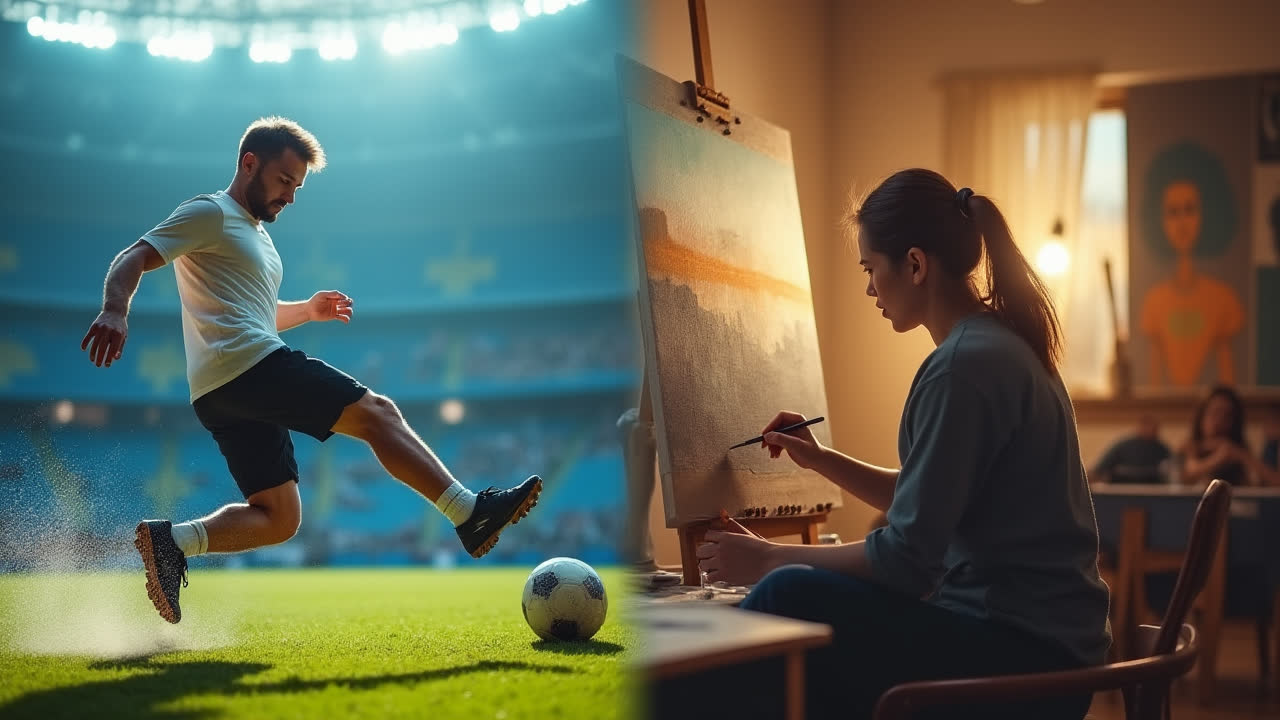
At their core, sports are structured physical activities that involve competition and adherence to specific rules. They typically require athletic prowess, strategic thinking, and often involve teamwork. On the other hand, hobbies encompass a much broader spectrum of leisure activities that people pursue for pleasure, relaxation, and personal fulfillment without necessarily involving physical exertion or competition.
I've personally found that understanding these differences helps people select activities that better align with their personal goals and preferences. For instance, if you're someone who thrives on competition and physical challenges, sports might be more fulfilling for you. If you prefer creative expression or the peaceful solitude of collecting items, traditional hobbies might better suit your temperament.
Throughout this article, we'll explore the key distinctions between sports and hobbies, examine their respective benefits, and help you determine which type of activity might best complement your lifestyle. Whether you're looking to expand your repertoire of leisure activities or simply curious about the technical differences, this comprehensive guide will provide valuable insights into both worlds.
What Defines a Sport?
So what exactly makes an activity qualify as a sport? Athletic competition forms the foundation of most sports, distinguishing them from more casual recreational activities. Sports typically involve physical exertion, skill development, and competition against others or oneself. They're governed by standardized rules that ensure fair play and create a structured environment for participants.
Most sports can be categorized as either team-based or individual pursuits. Team sports like soccer, basketball, and cricket foster collaboration, communication, and strategic coordination among players working toward a common goal. Individual sports such as tennis, swimming, or archery focus more on personal skill mastery and self-reliance, though they often still involve competition against others.
The competitive element of sports drives many participants to continually improve their skills and performance. This pursuit of excellence often involves regular practice sessions, coaching, and increasingly challenging competitions. This structured progression distinguishes sports from more casual physical activities that might be classified as hobbies.
Another defining characteristic of sports is their organizational structure. Many sports have local, national, and international governing bodies that establish rules, organize competitions, and promote participation. This formal organization creates pathways for advancement from recreational play to elite competition, including professional leagues where participants can earn a living through their athletic abilities.
Sports also typically require specific equipment, venues, and sometimes protective gear. Whether it's a soccer field, swimming pool, or mountain biking trail, the specialized environments for sports often necessitate dedicated facilities and maintenance. This infrastructure requirement further distinguishes sports from many hobbies that can be pursued with minimal equipment or specialized spaces.
The Expansive World of Hobbies
Unlike the more narrowly defined realm of sports, hobbies represent an incredibly diverse range of activities pursued for personal enjoyment during leisure time. The defining characteristic of a hobby is that it's undertaken voluntarily for pleasure rather than necessity or professional obligation. Hobbies can be creative, intellectual, physical, or collection-based in nature.
Creative hobbies like painting, writing, music, and crafting allow for personal expression and the development of artistic skills. I've noticed these activities often provide a sense of accomplishment and the joy of creating something tangible or meaningful. The freedom to express oneself without competitive pressure distinguishes many creative hobbies from sports.
Intellectual hobbies such as reading, chess, puzzle-solving, and learning languages stimulate the mind and satisfy curiosity. These activities often appeal to people who enjoy mental challenges and continuous learning. While some intellectual pursuits like chess can cross into the realm of competitive sports, many remain firmly in the hobby category due to their primary focus on personal enjoyment rather than structured competition.
Collection hobbies represent another significant category, including activities like stamp collecting, coin collecting, and gathering memorabilia. These pursuits often combine the thrill of the hunt with the satisfaction of building and organizing a collection over time. The social aspect of trading and sharing knowledge with fellow collectors adds another dimension to these hobbies.
Physical hobbies include activities like hiking, gardening, dancing, and recreational cycling. While these involve bodily movement similar to sports, they typically lack the competitive element and formal rules that define sporting activities. The focus remains on enjoyment, relaxation, and personal satisfaction rather than competition or performance measurement.
Technology has dramatically expanded the landscape of hobbies, with video gaming, programming, drone flying, and digital art emerging as popular modern pastimes. These activities demonstrate how hobbies evolve with cultural and technological changes, continually offering new avenues for leisure and personal development.
Comprehensive Comparison: Sports vs Hobbies
| Comparison Factor | Sports | Hobbies |
|---|---|---|
| Primary Purpose | Competition and physical excellence | Personal enjoyment and relaxation |
| Physical Involvement | Almost always requires physical exertion | May or may not involve physical activity |
| Structured Rules | Governed by standardized rules and regulations | Typically flexible with few formal rules |
| Organizational Structure | Often has governing bodies and leagues | Usually informal with optional communities |
| Time Commitment | Often requires regular practice and schedules | Flexible timing based on personal preference |
| Professional Pathway | Can lead to professional careers and income | Primarily recreational though can sometimes become careers |
| Learning Curve | Usually steep, requiring dedicated training | Often gradual, self-paced learning |
| Primary Benefits | Physical fitness, teamwork, discipline | Stress reduction, creativity, personal fulfillment |
The Health and Wellbeing Benefits
Both sports and hobbies offer significant benefits for physical and mental wellbeing, though their impacts differ in important ways. Sports deliver more direct physical health benefits through cardiovascular exercise, strength building, and improved coordination. Regular participation in sports can reduce the risk of heart disease, obesity, and other lifestyle-related conditions. I've seen how sports also develop discipline and resilience as participants push through physical challenges and recover from setbacks.
The social dimension of many sports provides additional psychological benefits. Team sports foster camaraderie, communication skills, and the ability to work collectively toward shared goals. Even individual sports often involve training groups, competitions, and communities that provide social connection. This social aspect can be particularly valuable for combating isolation and building support networks.
Hobbies, while sometimes less physically demanding, offer powerful mental health benefits. Creative and intellectual hobbies stimulate different areas of the brain, potentially improving cognitive function and providing a mental escape from daily stresses. The "flow state" often experienced during absorbing hobbies has been linked to reduced anxiety and improved mood. Have you ever noticed how time seems to fly when you're deeply engaged in a favorite hobby?
Many hobbies also provide tangible evidence of achievement through finished projects, collections, or mastered skills. This sense of accomplishment boosts self-esteem and provides motivation to tackle new challenges. The personalized nature of hobbies allows individuals to express their unique interests and talents, contributing to a stronger sense of identity and personal fulfillment.
Both sports and hobbies share the important benefit of providing balance to work and other responsibilities. They offer structured ways to disconnect from professional pressures and engage different aspects of ourselves. This balance is increasingly recognized as essential for overall wellbeing and preventing burnout in our fast-paced society.
When Sports Become Hobbies (and Vice Versa)
The boundary between sports and hobbies isn't always fixed, with many activities straddling both categories depending on how they're approached. When a person engages in a sport without competitive aspirations—playing basketball casually with friends on weekends, for example—it functions more as a hobby despite retaining the physical and rule-based characteristics of a sport. Similarly, when someone approaches a traditionally hobby-based activity with competitive goals, such as entering their handcrafted items in judged exhibitions, the activity takes on sport-like qualities.
This crossover is particularly evident in activities like running, cycling, or swimming. Many people participate in these activities purely for enjoyment and fitness, making them hobby-like pursuits. Others train rigorously for competitions and races, transforming the same activities into sports. The participant's intention and approach largely determine where an activity falls on the sport-hobby spectrum.
Technological developments have further blurred these boundaries. Video gaming, once considered purely a hobby, has evolved into esports with professional leagues, sponsorships, and competitive structures mirroring traditional athletics. Similarly, activities like drone racing combine technical hobby skills with competitive sport frameworks, creating hybrid categories that challenge conventional classifications.
The professionalization of traditionally hobby-based activities represents another interesting crossover. Activities like cooking, photography, and woodworking begin as personal hobbies for many but can develop into professional careers or competitive pursuits. This evolution demonstrates the fluid nature of these categories and how passion for a leisure activity can transform into something more structured or commercially viable.
Perhaps the most beneficial approach is recognizing that the sport-hobby distinction matters less than finding activities that provide joy, challenge, and fulfillment. Many people maintain a balanced portfolio of leisure activities, some more sport-like and others more hobby-oriented, allowing them to experience the unique benefits of each category while pursuing their personal interests.
Finding Your Perfect Balance
Selecting the right mix of sports and hobbies for your lifestyle requires thoughtful consideration of your preferences, goals, and available resources. Start by reflecting on what you hope to gain from your leisure activities. Are you primarily seeking physical fitness, social connection, creative expression, or mental stimulation? Different sports and hobbies deliver these benefits in varying degrees, so clarifying your priorities will help narrow your options.
Consider your personality and how it aligns with different types of activities. If you're naturally competitive and energized by challenges, structured sports might provide the motivation you need to stay engaged. If you value autonomy and self-expression, certain hobbies might better satisfy your desire for personal freedom and creativity. Some people thrive in team environments, while others prefer solo pursuits—both sports and hobbies can accommodate these preferences.
Practical considerations also influence these choices. Assess your available time, financial resources, physical capabilities, and geographic location. Some sports require substantial investments in equipment and facilities, while many hobbies can be pursued with minimal expense. Similarly, certain activities demand regular commitments to teams or classes, while others can be enjoyed on a flexible schedule. Being realistic about these factors will help you select activities you can sustain long-term.
Don't hesitate to experiment with new activities before making significant commitments. Many sports clubs offer trial sessions, and hobby groups welcome beginners to sample their activities. This exploration period allows you to experience different options firsthand and discover unexpected interests. I've found that some of the most rewarding activities are ones we never would have considered without trying them.
Remember that your ideal balance may change throughout different life stages. During periods of intense work demands, low-commitment hobbies might be more sustainable than team sports with rigid schedules. As children grow and family responsibilities shift, new opportunities for sports or hobbies may become accessible. Maintaining flexibility and periodically reassessing your leisure activities ensures they continue to enhance rather than complicate your life.
Frequently Asked Questions
Can hobbies ever become sports?
Yes, hobbies can evolve into sports when they develop competitive frameworks, standardized rules, and organized competitions. This transformation has happened with activities like skateboarding, which began as recreational pastimes but now feature in the Olympics. Similarly, video gaming has evolved into esports with professional leagues and tournaments. The key transition occurs when the activity shifts from being primarily about personal enjoyment to incorporating structured competition with standardized measurement of performance.
What are the best sports or hobbies for children?
The best activities for children combine enjoyment with developmental benefits while matching their individual interests and temperament. Team sports like soccer, basketball, and baseball teach cooperation, communication, and handling both success and disappointment. Individual sports such as swimming, martial arts, and gymnastics build self-reliance and personal discipline. Creative hobbies like art, music, and building activities develop fine motor skills and self-expression. The ideal approach is exposing children to various options and supporting their preferences while ensuring the environment remains positive and encouraging rather than overly pressured or competitive.
How much time should I dedicate to sports or hobbies each week?
The ideal time investment depends on your personal circumstances, including work responsibilities, family commitments, and overall lifestyle. For physical health benefits, aim for at least 150 minutes of moderate activity weekly, which could come from sports or active hobbies. For mental wellbeing, even short periods of 15-30 minutes engaged in enjoyable hobbies several times weekly can provide stress relief and satisfaction. Rather than focusing solely on quantity, prioritize consistency and quality of engagement. A sustainable schedule that you can maintain long-term delivers more benefits than intense but short-lived commitments that lead to burnout or abandonment of the activity.
Conclusion
The distinction between sports and hobbies provides a useful framework for understanding different types of leisure activities, though the boundaries between these categories continue to evolve. Sports offer structured physical challenges with competitive elements, while hobbies encompass a broader range of pursuits focused primarily on personal enjoyment and fulfillment. Both play vital roles in a balanced lifestyle, contributing to physical health, mental wellbeing, social connection, and personal development.
The ideal approach for most people involves finding a personalized mix of activities that align with their interests, goals, and practical circumstances. This might include traditional sports, creative hobbies, intellectual pursuits, or emerging activities that blend aspects of both categories. The key is selecting options that bring genuine enjoyment while delivering the specific benefits you seek from your leisure time.
As our understanding of wellbeing continues to evolve, the importance of meaningful leisure activities becomes increasingly apparent. Whether you're competing on a sports field or quietly engaged in a favorite hobby, these pursuits offer essential counterbalance to work and responsibilities. They provide opportunities to express different aspects of our personalities, develop new skills, connect with others who share our interests, and experience the satisfaction of meeting challenges beyond our professional lives.
What truly matters isn't whether an activity fits neatly into the category of sport or hobby, but rather how it enhances your life and contributes to your overall wellbeing. By thoughtfully selecting and balancing these activities, you create opportunities for joy, growth, and fulfillment that enrich your life beyond measure.


Related Posts