SNP vs SNV: Key Differences in Genetic Variations Explained
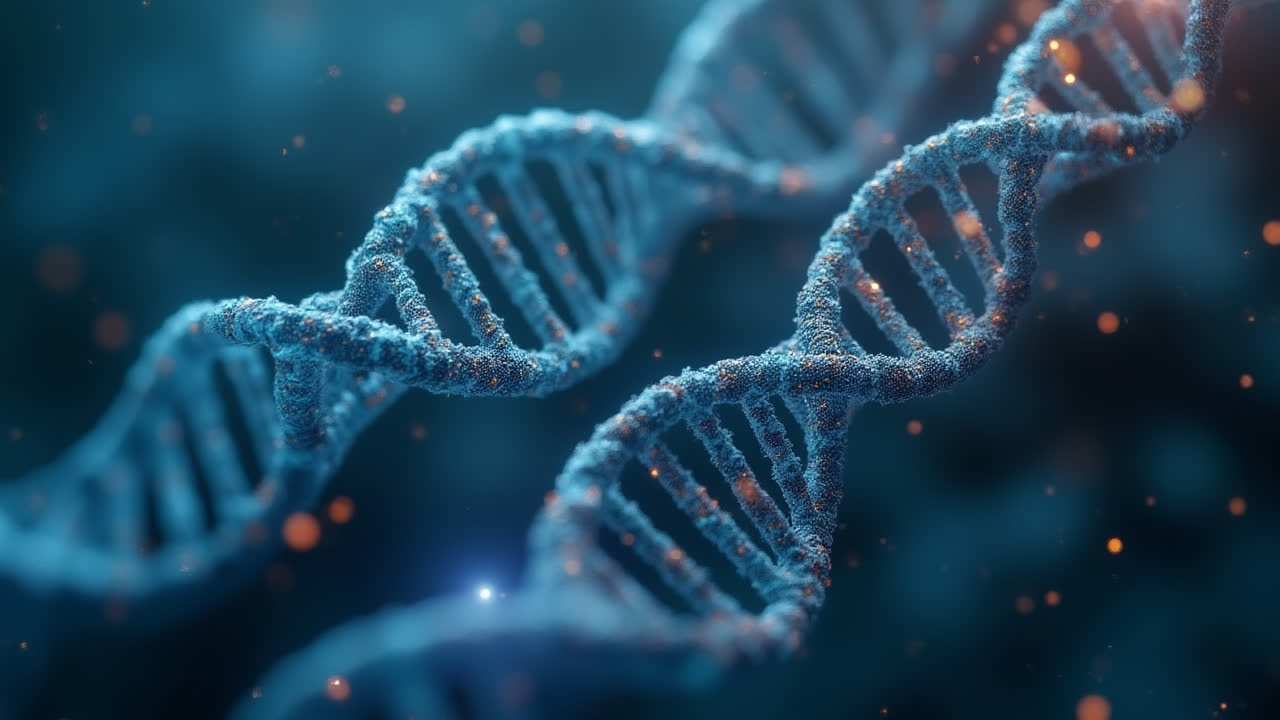
Have you ever wondered what makes our genetic makeup unique, despite sharing 99.9% of our DNA with other humans? The answer lies in tiny variations in our genetic code. Single nucleotide polymorphisms (SNPs) and single nucleotide variants (SNVs) are among the most common forms of genetic variation that contribute to our individuality and, sometimes, our susceptibility to diseases.
I've spent years studying genetic variations, and I've noticed there's often confusion between these two terms, even among some biology students. They sound similar and are related concepts, but understanding their differences is crucial for anyone involved in genetics research, medical diagnostics, or personalized medicine.
In this comprehensive guide, we'll explore the differences between SNPs and SNVs, their characteristics, importance in genetic research, and how they contribute to disease susceptibility. By the end, you'll have a clear understanding of these genetic variations and their significance in modern genetics.
Understanding Single Nucleotide Polymorphisms (SNPs)
A single nucleotide polymorphism, commonly known as an SNP (pronounced "snip"), refers to a variation at a single position in a DNA sequence that occurs commonly within a population. For a genetic variation to be classified as an SNP, it typically must be present in at least 1% of the population. This frequency threshold is what distinguishes SNPs from rare genetic variants.
Think of SNPs as common spelling variations in our genetic code. For instance, imagine a specific position in the genome where most people have the nucleotide G (guanine), but a significant minority has the nucleotide A (adenine). Both versions can exist without necessarily causing problems, similar to how both "color" and "colour" are acceptable spellings in different regions.
One crucial characteristic of SNPs is that they occur specifically in germline cells – the cells that pass genetic information to offspring. This means SNPs can be inherited from parents to children, making them valuable markers for studying inheritance patterns, population genetics, and evolutionary relationships.
SNPs are incredibly abundant in the human genome. Scientists estimate there are approximately 4-5 million SNPs in a typical human genome, occurring roughly once every 1,000 nucleotides. While many SNPs have no known effect on health or development, some are associated with disease risk or influence how individuals respond to medications, infections, or environmental factors.
Exploring Single Nucleotide Variants (SNVs)
A single nucleotide variant (SNV) is a broader term that refers to any variation of a single nucleotide in the genome, regardless of its frequency in the population. Unlike SNPs, which are defined by their minimum frequency, SNVs encompass both common variations (SNPs) and rare mutations that might be present in less than 1% of the population or even unique to a single individual.
Another key distinction is that SNVs can occur in both germline and somatic cells. Somatic cells are all body cells except reproductive cells. Variations that occur in somatic cells are not inherited by offspring but can be significant in diseases like cancer, where genetic changes accumulate in specific tissues throughout a person's life.
SNVs in non-coding regions (parts of DNA that don't directly code for proteins) can affect mRNA sequence and gene expression levels, potentially leading to disease susceptibility or increased cancer risk. In coding regions, SNVs come in two main types: synonymous substitutions, which don't alter the amino acid sequence, and nonsynonymous substitutions, which do change the resulting protein.
Nonsynonymous substitutions are further categorized into missense substitutions (resulting in malfunctioning proteins) and nonsense substitutions (causing premature stop codons that truncate proteins). These distinctions are crucial for understanding how genetic variations might impact health and disease.
I remember working on a cancer genomics project where we found numerous SNVs in tumor samples that weren't present in the patients' healthy tissues. This reinforced for me how somatic SNVs can accumulate throughout life and potentially contribute to disease progression – a concept that helps distinguish SNVs from the more narrowly defined SNPs.
Key Similarities Between SNPs and SNVs
Despite their differences, SNPs and SNVs share several important similarities that make them related concepts in the field of genetics:
- Both represent variations in a single nucleotide in the DNA sequence
- Both are detected using similar laboratory techniques, including real-time PCR, microarrays, and next-generation sequencing
- Both can influence disease susceptibility and other phenotypic traits
- Both are important in genetic research, personalized medicine, and population genetics
- Both can occur in coding or non-coding regions of the genome
- Both contribute to genetic diversity among individuals and populations
These shared characteristics explain why these terms are sometimes used interchangeably, though as we've seen, there are important technical distinctions between them that geneticists and researchers should be aware of.
Comprehensive Comparison: SNP vs SNV
Let's break down the differences between SNPs and SNVs in a clear, structured format to better understand their unique characteristics:
| Comparison Point | Single Nucleotide Polymorphism (SNP) | Single Nucleotide Variant (SNV) |
|---|---|---|
| Definition | A variation at a single position in DNA sequence that occurs in at least 1% of the population | Any variation of a single nucleotide in a genome, regardless of frequency |
| Frequency Requirement | Must occur in at least 1% of the population | No minimum frequency requirement |
| Cell Type | Occurs specifically in germline cells | Can occur in both germline and somatic cells |
| Inheritance | Can be inherited from parents to offspring | Germline SNVs can be inherited; somatic SNVs cannot |
| Relationship | Is a subset of SNVs | Encompasses both SNPs and rare mutations |
| Clinical Significance | Often associated with disease susceptibility and drug response | May be associated with diseases, especially somatic SNVs in cancer |
| Research Application | Commonly used in population genetics and genome-wide association studies | Important in cancer genomics and rare disease research |
| Detection Methods | Real-time PCR, microarrays, next-generation sequencing | Real-time PCR, microarrays, next-generation sequencing |
Importance in Genetic Research and Medicine
Both SNPs and SNVs have significant implications for genetic research and medical applications. Their study has revolutionized our understanding of human genetic variation and its relationship to health and disease.
Applications of SNPs
SNPs have become invaluable tools in various fields of genetics research and medical applications:
- Genome-Wide Association Studies (GWAS): Researchers use SNPs as markers to identify genetic variations associated with particular diseases or traits across large populations.
- Pharmacogenomics: SNPs help predict how individuals will respond to certain medications, enabling more personalized drug prescriptions and dosages.
- Population Genetics: The distribution of SNPs across different populations provides insights into human migration patterns, evolutionary history, and genetic diversity.
- Ancestry Testing: Commercial genetic testing companies analyze SNPs to estimate a person's ancestral origins and relatives.
- Agriculture: SNPs are used in breeding programs to select for desirable traits in crops and livestock.
I've worked with agricultural researchers who used SNP markers to develop drought-resistant crop varieties – a perfect example of how these genetic variations have practical applications beyond human medicine. The consistency and inheritability of SNPs make them reliable markers for tracking traits across generations.
Applications of SNVs
The broader category of SNVs has its own set of important applications:
- Cancer Genomics: Somatic SNVs that accumulate in tumor cells can provide insights into cancer development, progression, and potential treatment targets.
- Rare Disease Research: Rare SNVs that don't meet the frequency threshold to be classified as SNPs are often implicated in rare genetic disorders.
- Personalized Medicine: Identifying specific SNVs in a patient's genome can help predict disease risk and guide prevention strategies.
- Viral Detection: SNVs are important in designing PCR primers for detecting viruses and tracking viral mutations.
During the recent global pandemic, I noticed how researchers tracked viral mutations through SNVs to monitor emerging variants – demonstrating the importance of these genetic concepts beyond human genomics and into the realm of infectious disease surveillance.
Disease Association and Clinical Relevance
Understanding the relationship between genetic variations and disease is one of the most important applications of SNP and SNV research. Both types of variations can influence disease susceptibility and progression, though through somewhat different mechanisms.
SNPs and Disease
Many SNPs have been associated with increased risk for specific diseases through genome-wide association studies. For example:
- Age-related macular degeneration: A common SNP in the CFH gene increases the risk of this leading cause of blindness in older adults.
- Nonalcoholic fatty liver disease: An SNP in the PNPLA3 gene is associated with increased susceptibility to this increasingly common condition.
- Cardiovascular diseases: Multiple SNPs have been linked to heart disease risk, independent of traditional risk factors like cholesterol levels.
- Type 2 diabetes: Several SNPs influence the risk of developing this metabolic disorder.
It's important to note that most SNPs confer only a small increase in disease risk individually. It's usually the combined effect of multiple genetic variations, along with environmental factors, that significantly impacts disease development. This complex interplay is why we need to be cautious about overstating the predictive value of individual SNPs in clinical settings.
SNVs and Disease
SNVs, particularly rare variants and somatic mutations, play crucial roles in various diseases:
- Cancer: Somatic SNVs accumulate in tumor cells and can drive cancer initiation and progression. These cancer-specific mutations often affect genes involved in cell growth, division, and death.
- Rare genetic disorders: Many rare diseases are caused by SNVs that occur in less than 1% of the population but have severe effects on protein function.
- Neurological disorders: Conditions like autism spectrum disorders and schizophrenia have been associated with both rare and de novo (newly occurring) SNVs.
The distinction between germline and somatic SNVs becomes particularly important in cancer genetics. While germline variations might predispose an individual to cancer risk, it's the accumulation of somatic mutations throughout life that typically drives tumor development – a fundamental concept in understanding cancer biology.
Frequently Asked Questions About SNPs and SNVs
How do researchers detect SNPs and SNVs in the genome?
Researchers use several advanced technologies to detect SNPs and SNVs in genetic material. The most common methods include real-time PCR (polymerase chain reaction), DNA microarrays, and next-generation sequencing (NGS). Real-time PCR is often used for detecting known SNPs, while NGS allows for the discovery of novel variants by sequencing the entire genome or targeted regions. These technologies have revolutionized genetic research by enabling the rapid and cost-effective identification of millions of genetic variations across the genome.
Can SNPs and SNVs affect how patients respond to medications?
Yes, genetic variations can significantly influence how patients respond to medications, a field known as pharmacogenomics. Certain SNPs affect genes involved in drug metabolism, transport, or target receptors, which can impact drug efficacy and side effect risk. For example, variations in the CYP2D6 gene affect how quickly patients metabolize many common medications, including some antidepressants and pain relievers. Healthcare providers increasingly use genetic testing to identify these variations and tailor medication choices and dosages to individual patients, moving toward more personalized treatment approaches.
Are all genetic diseases caused by SNPs or SNVs?
No, not all genetic diseases are caused by SNPs or SNVs. While single nucleotide changes are common causes of genetic disorders, there are several other types of genetic variations that can lead to disease. These include larger structural variations such as insertions and deletions (indels), copy number variations (CNVs), chromosomal rearrangements like translocations or inversions, and trinucleotide repeat expansions (as seen in Huntington's disease). Some genetic conditions result from the combined effect of multiple genetic factors interacting with environmental influences, creating complex disease patterns that can't be attributed to single variations alone.
Conclusion: Understanding the Distinction
In summary, the main difference between SNPs and SNVs lies in their definition and scope. SNPs are a specific subset of SNVs that occur in at least 1% of the population and are found in germline cells. In contrast, SNVs encompass all single nucleotide variations, regardless of frequency, and can occur in both germline and somatic cells.
This distinction is more than just semantic – it has important implications for genetic research, disease association studies, and clinical applications. While SNPs are valuable markers for population genetics and common disease risk factors, rare SNVs are often more relevant in cancer genomics and rare disease research.
As our understanding of human genetics continues to evolve and genomic technologies become more accessible, the study of SNPs and SNVs will remain central to advancing personalized medicine, disease prevention, and targeted therapies. By appreciating the differences between these genetic variations, researchers and clinicians can better interpret genomic data and translate findings into meaningful health applications.
Every genome tells a story – SNPs and SNVs are the subtle variations in spelling that make each story uniquely our own.