Serine vs Choline: Understanding Key Differences & Functions
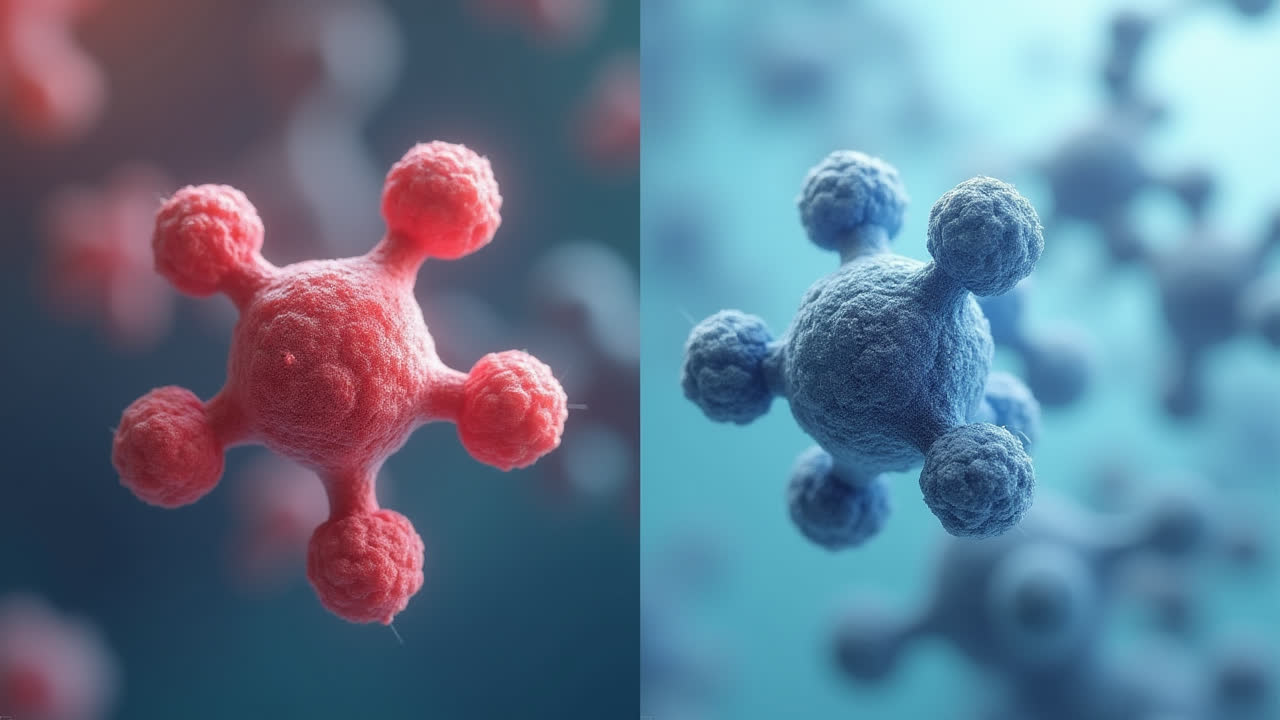
Have you ever wondered about the building blocks that make your body function properly? Our bodies rely on numerous organic compounds to maintain health and perform essential functions. Among these crucial compounds are serine and choline, two substances that play vital but distinctly different roles in our biochemistry. The main difference between serine and choline is that serine is a non-essential amino acid involved in protein synthesis, while choline is a water-soluble nutrient similar to B vitamins that supports brain function and fat metabolism.
I've spent years researching biochemical compounds, and I'm always fascinated by how these microscopic substances have such profound impacts on our overall health. These two compounds might not be household names like vitamin C or calcium, but they're working behind the scenes in nearly every cell of your body. Let's dive into the world of these fascinating biological compounds and uncover what makes them unique and important for your health.
What is Serine? Understanding This Vital Amino Acid
Serine is classified as an alpha amino acid and is one of the 20 standard amino acids used by the body to build proteins. Its chemical structure includes an alpha-amino group, a carboxyl group, and a side chain containing a hydroxymethyl group (chemical formula: C3H7NO3). What makes serine particularly interesting is that it's considered a non-essential amino acid, meaning your body can produce it independently without relying solely on dietary sources.
I remember learning about amino acid synthesis in my biochemistry classes, and serine stands out because it's actually derived from another amino acid called glycine. This transformation shows how intricately connected our body's biochemical pathways truly are. Serine exists in two forms: L-serine and D-serine. The L-form is what we typically consume in our diet, while D-serine is synthesized in the body from L-serine and plays specific roles in the nervous system.
You'll find serine in many protein-rich foods, including eggs, meat, dairy products, soy, and various legumes. Its melting point is approximately 228 degrees Celsius, which isn't particularly relevant to its function in the body but demonstrates its stability as a compound. What's truly remarkable about serine is how versatile it is within our biochemistry—it's involved in everything from basic protein structure to complex neurological functions.
Functions of Serine in the Body
The roles of serine in our bodies are diverse and essential. Perhaps most fundamentally, serine participates in protein biosynthesis. It helps form the peptide bonds that connect amino acids, creating the proteins that serve as the workhorses of our cells. Beyond basic protein structure, serine is often involved in protein modifications, serving as an attachment site for phosphate or methyl groups that can alter protein function.
But that's just the beginning of serine's contributions. This versatile amino acid serves as a precursor for several critical compounds. It helps create glycine, which is necessary for nucleotide synthesis (the building blocks of DNA and RNA). Serine also contributes to the synthesis of purines and pyrimidines, essential components of our genetic material. Additionally, it plays a role in the production of phospholipids, which form the membranes that surround all of our cells.
One aspect of serine function that doesn't get enough attention is its role in immune system health. Serine acts as a precursor for molecules like sphingosine-1-phosphate (S1P), which participates in immune function. It also supports the production of antibodies that help your body fight infections. In the nervous system, serine is crucial for the synthesis of myelin, the fatty substance that insulates nerve fibers and allows for efficient signal transmission.
While serine deficiency is relatively rare, when it does occur, it can manifest in serious conditions affecting the liver, nervous system, and immune function. This underscores just how essential this "non-essential" amino acid truly is for overall health and wellbeing.
What is Choline? Exploring This Essential Nutrient
Choline represents a different class of biological compound compared to serine. It's a water-soluble nutrient that shares similarities with B vitamins, though it isn't officially classified as a vitamin. Chemically, choline is a quaternary ammonium cation with the formula [(CH3)3NCH2CH2OH]+. This structure enables choline to form various salts, including choline chloride and choline bitartrate, which are common in dietary supplements.
Unlike serine, choline is considered an essential nutrient, meaning that while the liver can produce small amounts, we generally need to obtain adequate choline from our diet. I've always found it interesting that despite being discovered over a century ago, choline wasn't officially recognized as an essential nutrient by the Institute of Medicine until 1998. Sometimes science takes its time catching up with what the body already knows is important!
You can find choline in a variety of foods, with particularly rich sources including egg yolks, liver, meat, fish, nuts, and cruciferous vegetables. Some multivitamin-mineral supplements also contain choline, typically in forms such as choline bitartrate, lecithin, or phosphatidylcholine. There are also standalone choline supplements for those looking to increase their intake specifically.
Functions of Choline in the Body
Choline serves as a crucial precursor for acetylcholine, a neurotransmitter that plays fundamental roles in muscle control, memory formation, and mood regulation. I've always been fascinated by how a single nutrient can have such profound effects on our cognitive function and physical coordination. This connection between diet and brain function demonstrates how truly integrated our body systems are.
Another vital function of choline is its role in cellular structure. It serves as a precursor for phosphatidylcholine, a major component of cell membranes throughout the body. This phospholipid helps maintain membrane fluidity and integrity, which is essential for proper cellular function. Without adequate choline, cell membranes can become rigid and dysfunctional, affecting everything from nutrient absorption to waste removal at the cellular level.
Beyond its structural roles, choline is deeply involved in metabolism, particularly fat metabolism. It helps transport fats from the liver, preventing fat accumulation that could lead to fatty liver disease. Choline also participates in cholesterol metabolism, helping maintain healthy cholesterol levels and reducing the risk of cardiovascular issues. During pregnancy and early childhood, choline plays a crucial role in brain development and function, influencing cognitive abilities later in life.
Research into choline continues to uncover new potential benefits. Some studies suggest it may help reduce inflammation, support liver health, and even play a role in cancer prevention, though more research is needed in these areas. The diversity of choline's functions underscores why adequate intake is so important for overall health.
Key Differences Between Serine and Choline
While both serine and choline are important organic compounds in the body, they differ significantly in their classification, structure, sources, and functions. Let's examine these differences in detail to better understand these distinct but equally important compounds.
| Characteristic | Serine | Choline |
|---|---|---|
| Classification | Alpha amino acid | Water-soluble nutrient (similar to B vitamins) |
| Chemical Formula | C3H7NO3 | [(CH3)3NCH2CH2OH]+ |
| Essentiality | Non-essential (can be synthesized by the body) | Essential nutrient (must be obtained from diet) |
| Primary Sources | Meat, fish, eggs, dairy, soy, legumes | Egg yolks, liver, meat, fish, nuts, cruciferous vegetables |
| Primary Function | Protein synthesis and modification | Cell membrane integrity and neurotransmitter production |
| Metabolic Role | Precursor for glycine, nucleotides, and phospholipids | Fat transport and metabolism, prevention of fatty liver |
| Neurological Role | Myelin synthesis, neurotransmission support | Precursor for acetylcholine, brain development |
| Immune Function | Antibody production, immune signaling | Inflammatory response regulation |
The contrast between serine and choline illustrates how different biochemical compounds can serve complementary roles in maintaining health. While serine primarily functions within protein structures and as a precursor for various metabolic compounds, choline focuses more on membrane integrity, fat metabolism, and neurotransmitter production. Together, these compounds ensure proper cellular function across multiple body systems.
Health Implications and Supplementation
Understanding the differences between serine and choline has practical implications for health and nutrition. Since serine is non-essential, most people obtain sufficient amounts through diet and the body's synthesis. However, some specific conditions might benefit from increased serine intake, particularly certain neurological disorders where D-serine supplementation is being investigated.
Choline, on the other hand, has established daily recommended intake levels set by health authorities. For adults, the adequate intake ranges from 425-550 mg per day, with pregnant and breastfeeding women requiring higher amounts. Despite these recommendations, studies suggest that many people don't consume enough choline through their regular diet. This is where supplementation might be considered.
I've noticed that when working with clients on nutrition plans, choline is often overlooked compared to more well-known nutrients. Yet choline deficiency can lead to muscle damage, liver problems, and potentially cognitive issues. Certain groups are at higher risk for deficiency, including pregnant women, older adults, and those with genetic variations affecting choline metabolism.
Before considering supplements, it's always best to focus on food sources first. Eggs are particularly rich in choline—one large egg provides about 147 mg, which is a significant portion of the daily recommendation. For vegetarians and vegans who don't consume eggs or animal products, options like tofu, cruciferous vegetables, and legumes can help provide some choline, though supplementation might be worth discussing with a healthcare provider.
When it comes to serine and choline supplements, quality matters significantly. The forms used in supplements can affect absorption and effectiveness. For choline, common supplement forms include choline bitartrate, CDP-choline, and alpha-GPC, each with different potencies and potential effects. If you're considering supplements, it's always wise to consult with a healthcare professional who can provide guidance based on your specific health needs and conditions.
Frequently Asked Questions About Serine and Choline
Can serine and choline supplements be taken together?
Yes, serine and choline supplements can generally be taken together as they serve different biochemical functions in the body and don't typically interfere with each other's absorption or effectiveness. In fact, they may work synergistically in some pathways, particularly those related to phospholipid synthesis and neurological function. However, as with any supplement regimen, it's best to consult with a healthcare provider before combining supplements, especially if you have existing health conditions or are taking medications. They can help determine appropriate dosages based on your individual needs and health status.
What happens if you have too much serine or choline in your body?
Excess serine rarely causes problems since the body regulates its levels efficiently and can convert surplus amounts to other compounds. However, extremely high supplemental doses might theoretically interfere with the balance of other amino acids. For choline, excessive intake (usually from supplements, as it's difficult to overconsume from food) can cause fishy body odor, excessive sweating, low blood pressure, liver problems, and gastrointestinal issues like nausea, diarrhea, and vomiting. The tolerable upper intake level for choline is set at 3,500 mg per day for adults. If you're supplementing with either compound, it's important to stick to recommended dosages and monitor for any unusual symptoms.
Do vegans need to supplement with serine or choline?
Vegans typically don't need to supplement with serine since it's non-essential and the body can produce it. Additionally, serine is found in plant-based protein sources like soy and legumes. Choline, however, might be more challenging for vegans to obtain in adequate amounts since the richest sources are animal-based foods like eggs and liver. While plant foods like cruciferous vegetables, legumes, and nuts contain some choline, the amounts are generally lower. Vegans, especially pregnant or breastfeeding women, might want to consider choline supplementation or focus specifically on consuming choline-rich plant foods. A nutritionally balanced vegan diet with attention to choline-containing foods, possibly supplemented with a vegan-friendly choline source like alpha-GPC, can help ensure adequate intake.
Conclusion: The Complementary Roles of Serine and Choline
After exploring the characteristics and functions of serine and choline, it becomes clear that while these compounds are structurally and functionally distinct, they both play essential roles in maintaining proper bodily function. The main difference between serine and choline—that serine is a non-essential amino acid while choline is an essential nutrient similar to B vitamins—reflects their different positions in our biochemical processes.
Serine's primary contributions to protein synthesis, phospholipid production, and immune function complement choline's roles in neurotransmitter production, cell membrane integrity, and fat metabolism. Together, they support multiple body systems, from the brain and nervous system to cellular structures throughout the body.
What fascinates me most about these compounds is how they illustrate the intricate interconnectedness of human biochemistry. Neither compound works in isolation—they're part of complex pathways that overlap and interact, demonstrating how our bodies function as integrated systems rather than collections of separate parts.
Understanding the differences and functions of compounds like serine and choline can help us make more informed dietary choices and appreciate the complexity of human nutrition. Whether you're looking to support brain health, improve athletic performance, or simply maintain overall wellbeing, paying attention to these less-discussed but vitally important nutrients can make a significant difference in your health journey.
Have you ever considered how these biochemical compounds affect your daily life? The next time you enjoy an egg or a serving of spinach, remember the essential nutrients like serine and choline working behind the scenes to keep your body functioning at its best. Our health truly is built from the molecular level up.