Salmonella Typhi vs Paratyphi: Key Differences You Should Know
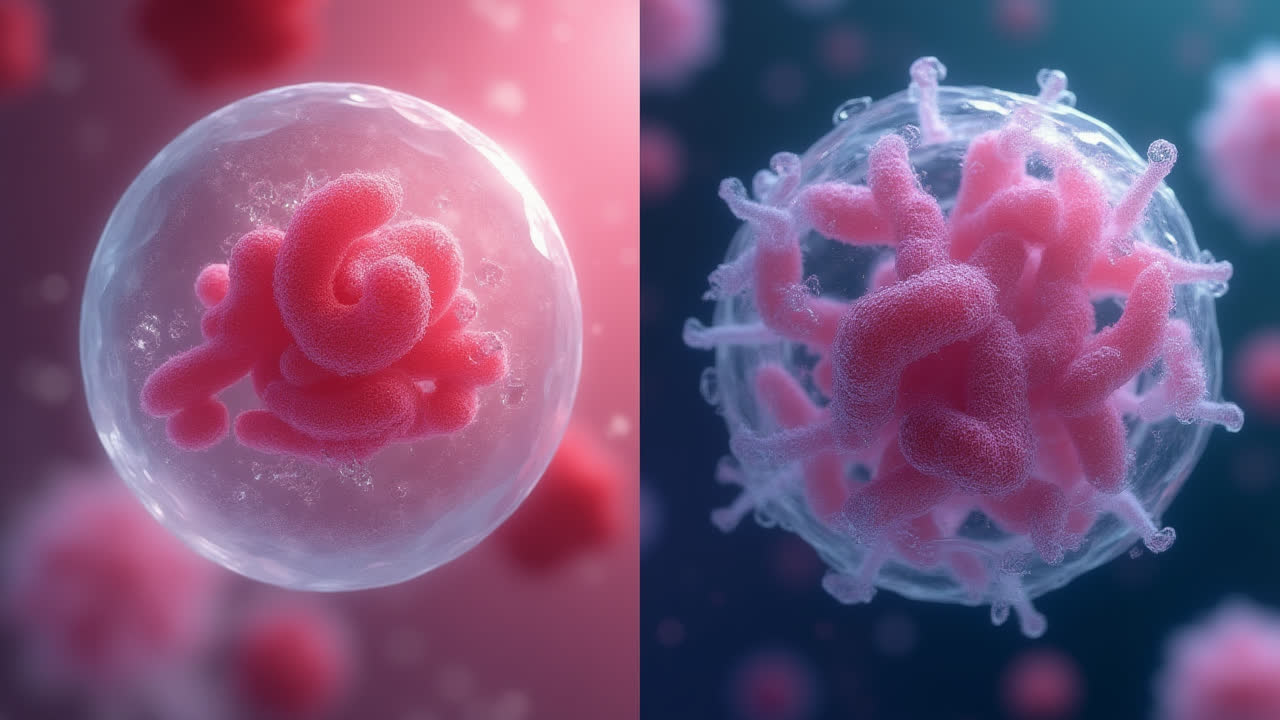
Have you ever wondered why some bacterial infections cause more severe symptoms than others? When it comes to Salmonella Typhi and Paratyphi, these closely related bacteria can lead to significantly different health outcomes. These infamous pathogens are responsible for enteric fever, a condition affecting millions worldwide, particularly in regions with poor sanitation infrastructure.
Both these bacterial infections share similar transmission routes and symptoms, yet they differ substantially in severity, prevalence, and treatment approaches. Understanding these differences isn't just academic—it could be lifesaving knowledge in areas where these diseases remain common.
What is Enteric Fever?
Enteric fever is a comprehensive term that encompasses both typhoid and paratyphoid fever. These conditions collectively affect millions of people annually, with the highest prevalence in developing and underdeveloped regions. The primary contributing factors to their spread include overcrowding, inadequate sanitation facilities, and various social challenges that compromise public health infrastructure.
While both conditions fall under the enteric fever umbrella, they differ significantly in their severity, prevalence, and specific symptoms. Prompt diagnosis and appropriate treatment are crucial for preventing long-term complications, which can occur due to delayed intervention, incorrect diagnosis, or poor response to treatment protocols.
The bacteria responsible for these conditions enter the human body primarily through the fecal-oral route, highlighting the critical importance of proper hygiene practices and clean water access. I've seen firsthand how improvements in basic sanitation can dramatically reduce infection rates in vulnerable communities. Sometimes it's the simplest interventions that yield the most significant health benefits.
Understanding Salmonella Typhi
Salmonella Typhi is the bacterial agent responsible for causing typhoid fever, a potentially life-threatening systemic infection. This pathogen enters the human body through the fecal-oral pathway, typically due to consuming contaminated food or water. Poor hygiene practices and inadequate sanitation significantly increase transmission risk.
Once Salmonella Typhi enters the small intestine, it doesn't remain contained there. Instead, these bacteria invade the bloodstream and migrate to organs including the liver, spleen, and bone marrow. These locations serve as perfect breeding grounds where the bacteria multiply extensively. Following this multiplication phase, thousands of bacteria re-enter the bloodstream, leading to systemic infection throughout the body.
What makes typhoid fever particularly challenging from a diagnostic perspective is that it produces generalized symptoms that can easily be mistaken for other common illnesses. Symptoms typically develop gradually and may include persistent high fever, headache, abdominal pain, and sometimes a characteristic rash known as "rose spots." In severe cases, complications can include intestinal perforation, which represents a medical emergency requiring immediate intervention.
The invasive nature of Salmonella Typhi makes it particularly dangerous and more difficult to treat compared to many other bacterial infections. Might you have encountered similar symptoms during travel to regions where typhoid is endemic? It's surprisingly common for travelers to return with typhoid without realizing the source of their illness.
Understanding Salmonella Paratyphi
Salmonella Paratyphi is the bacterium responsible for paratyphoid fever, a condition that shares many similarities with typhoid fever but is generally considered less invasive and severe. Like its counterpart, this pathogen enters the human body through the fecal-oral route, indicating that poor hygiene and sanitation are key risk factors.
The invasion pattern of Salmonella Paratyphi mirrors that of Salmonella Typhi. After entering the small intestine, these bacteria penetrate the intestinal wall, enter the bloodstream, and migrate to organs such as the liver, spleen, and bone marrow where they multiply rapidly. Following multiplication, they re-enter the bloodstream and spread throughout the body, causing widespread infection.
Paratyphoid fever presents with symptoms similar to typhoid fever, including fever, headache, fatigue, and abdominal discomfort. However, these symptoms are typically less severe, and the disease generally follows a shorter course with fewer complications. That said, without proper treatment, paratyphoid fever can still lead to serious health consequences and shouldn't be taken lightly.
I remember working with a community health program where we encountered several cases of paratyphoid fever that had initially been misdiagnosed as common flu. The patients improved rapidly once the correct antibiotics were administered, but it was a stark reminder of how easily these infections can be overlooked when healthcare providers aren't specifically looking for them.
Comparison of Salmonella Typhi and Paratyphi
While both Salmonella Typhi and Salmonella Paratyphi cause enteric fever, there are significant differences between these bacterial agents that affect diagnosis, treatment, and patient outcomes. Understanding these distinctions is crucial for healthcare providers and public health officials working in affected regions.
| Feature | Salmonella Typhi | Salmonella Paratyphi |
|---|---|---|
| Disease caused | Typhoid fever | Paratyphoid fever |
| Severity | More severe, potentially life-threatening | Generally less severe than typhoid |
| Global prevalence | Higher prevalence worldwide | Lower prevalence compared to Typhi |
| Incubation period | 1-3 weeks | 1-10 days (typically shorter) |
| Genetic and phenotypic features | Distinct genetic and phenotypic profile | Different genetic and phenotypic characteristics |
| Antibiotic resistance patterns | Increasingly showing multidrug resistance | Generally more responsive to antibiotics |
| Diagnostic method | Stool culture, blood culture, serological tests | Stool culture, blood culture, serological tests |
| Resource requirements for growth | Higher resource requirements | Relatively lower resource requirements |
Diagnosis and Treatment Differences
Accurate diagnosis is critical for effectively managing both typhoid and paratyphoid fever. The gold standard for diagnosis involves culturing the organism from patient samples, typically blood or stool. Modern diagnostic approaches may also include serological tests and PCR-based molecular methods that can detect the specific bacterial DNA.
Stool culture is particularly valuable for distinguishing between Salmonella Typhi and Paratyphi infections. During this procedure, the bacteria are isolated and allowed to multiply in a controlled environment, enabling laboratory technicians to identify the specific pathogen responsible for the infection. This distinction is crucial for tailoring treatment approaches appropriately.
Treatment typically involves antibiotics, but the specific choice and duration may vary depending on whether the infection is caused by Salmonella Typhi or Paratyphi. Increasing antibiotic resistance, particularly among Salmonella Typhi strains, has complicated treatment protocols in many regions. Some strains have developed resistance to multiple antibiotics, necessitating the use of more expensive and less readily available medications.
Supportive care, including hydration and fever management, plays an important role in patient recovery regardless of which pathogen is responsible. In severe cases, particularly with typhoid fever, hospitalization may be necessary to manage complications and ensure appropriate fluid balance.
Prevention Strategies for Both Infections
Preventing typhoid and paratyphoid infections begins with addressing their primary transmission route—the fecal-oral pathway. This involves multiple layers of prevention targeting both individual behaviors and broader public health infrastructure.
Personal hygiene measures represent the first line of defense. Regular handwashing with soap and water, particularly before handling food, after using the toilet, or after changing diapers, can significantly reduce transmission risk. Using clean utensils and thoroughly cooking foods, especially those that might be contaminated, adds another protective layer.
Access to clean drinking water is fundamental for prevention. This might involve public infrastructure improvements in endemic areas or individual water treatment methods such as boiling, filtration, or chemical disinfection when clean water isn't readily available. I've seen simple household water filters make a tremendous difference in regions where municipal water treatment isn't reliable.
For travelers to endemic regions, vaccination against typhoid fever provides additional protection. Currently, vaccines are more widely available for Salmonella Typhi than for Paratyphi, though research continues to develop more comprehensive options. It's worth noting that even vaccinated individuals should maintain strict hygiene practices, as the vaccine doesn't provide 100% protection.
Public health surveillance systems play a crucial role in early detection and containment of outbreaks. By identifying cases quickly and implementing appropriate control measures, health authorities can prevent wider spread and protect vulnerable populations. Isn't it remarkable how these ancient diseases can still be controlled with a combination of modern technology and basic public health principles?
Frequently Asked Questions
How can I distinguish between typhoid and paratyphoid fever based on symptoms?
While both conditions share many symptoms, typhoid fever typically presents with a more gradual onset and higher fever that increases step-wise over several days. Paratyphoid fever often has a more abrupt onset with less severe symptoms overall. Typhoid may also feature 'rose spots' (small red spots on the chest and abdomen) and more significant complications if left untreated. However, clinical distinction is challenging, and laboratory confirmation through blood or stool culture is necessary for definitive diagnosis.
Are there vaccines available for both Salmonella Typhi and Paratyphi?
Currently, vaccines are primarily available for Salmonella Typhi (typhoid fever). The two main types are an oral live attenuated vaccine (Ty21a) and an injectable capsular polysaccharide vaccine (Vi-PS). Neither provides complete protection against paratyphoid fever, though the oral vaccine may offer some cross-protection against Paratyphi B. Researchers are working on developing vaccines that would protect against both typhoid and paratyphoid fever, but these are not yet widely available for clinical use.
How long does it take to recover from typhoid versus paratyphoid fever?
Recovery time varies depending on several factors, including the timeliness of treatment, the specific antibiotics used, and individual patient characteristics. Generally, with appropriate antibiotic treatment, patients with paratyphoid fever typically begin to improve within 2-3 days and may recover fully within 1-2 weeks. Typhoid fever often requires a longer recovery period, with patients potentially remaining symptomatic for 2-4 weeks even with treatment. Without proper treatment, both conditions can persist for much longer and lead to serious complications that further extend recovery time.