Ringworm vs Roundworm: Key Differences Explained (Complete Guide)
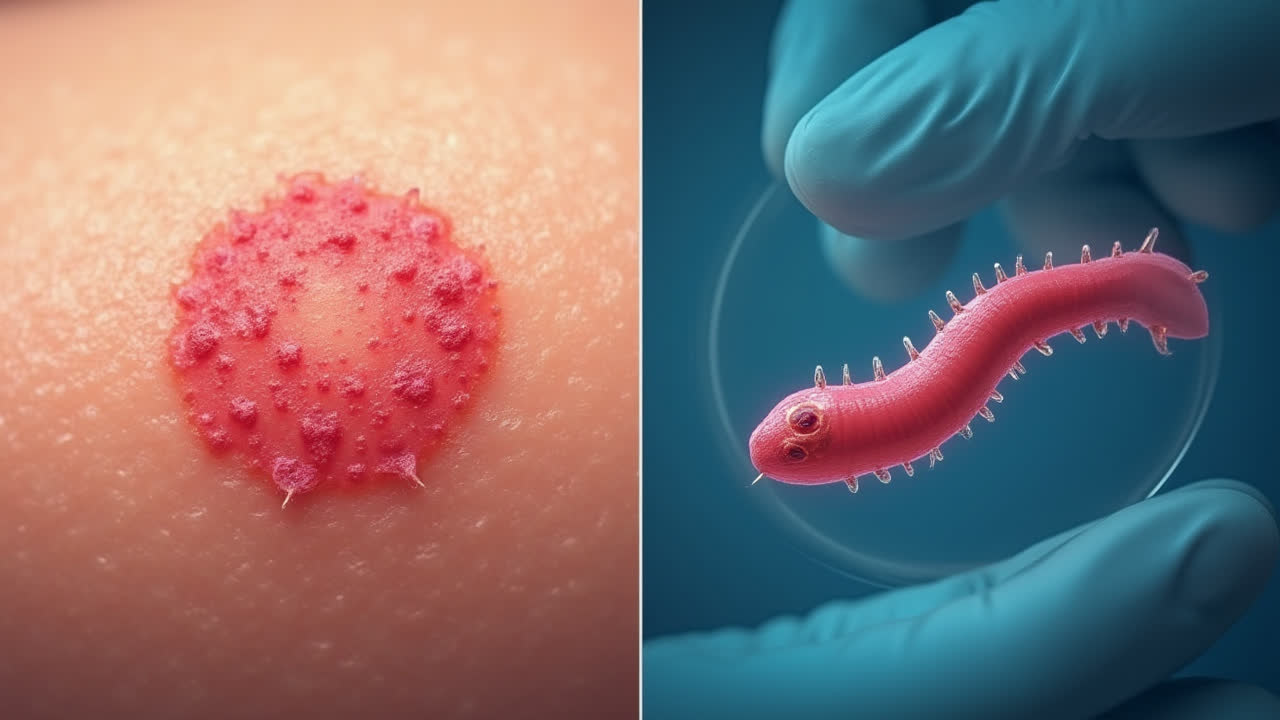
When it comes to common infections that affect both humans and animals, ringworm and roundworm are frequently confused due to their similar-sounding names. Despite this similarity, these conditions are fundamentally different in terms of causes, symptoms, and treatments. Knowing the difference between these two infections is crucial for effective treatment and prevention.
The main confusion stems from the misleading name "ringworm," which isn't caused by a worm at all but by a fungus. Meanwhile, roundworm is indeed a parasitic worm infection. This article explores the distinct characteristics of each condition to help you better understand, identify, and address these common health concerns.
What is Ringworm?
Despite its name suggesting otherwise, ringworm is not caused by any worm or parasite. It's actually a fungal infection of the skin and nails known medically as "tinea" or "dermatophytosis." The name comes from the characteristic ring-shaped rash it produces on the skin. The fungi that cause ringworm belong to a group called dermatophytes, which thrive on the keratin found in your skin, hair, and nails.
Ringworm infections can affect various parts of the body and are named according to the location. For instance, ringworm affecting the scalp is called tinea capitis, while ringworm of the feet is commonly known as athlete's foot (tinea pedis). When it affects the groin area, it's called jock itch (tinea cruris), and when it affects the body, it's called tinea corporis. The infection can also target the nails (tinea unguium), beard area (tinea barbae), and hands (tinea manuum).
The primary symptoms of ringworm include itchy, scaly patches on the skin that may be brown, gray, or red in color. These patches often have a distinctive ring-like appearance with raised, defined edges and a clearer center. In some cases, the infection can cause hair loss, blister formation, or pustules. The condition is highly contagious and can spread through direct contact with an infected person or animal, or by touching contaminated items like towels, clothing, or gym equipment.
Risk factors for developing ringworm include using public showers or pools, participating in contact sports, excessive sweating, close contact with infected animals (particularly cats), obesity, and having a weakened immune system. The condition is more common in warm, humid environments where fungi thrive. Have you ever noticed that these infections seem to appear more during summer months or in tropical regions? That's no coincidence!
What is Roundworm?
Unlike ringworm, roundworm is actually a parasitic worm infection. These parasites, classified as nematodes, are intestinal worms that can live in the human digestive system. The medical condition caused by roundworm infection is known as ascariasis. Roundworms have long, cylindrical bodies and can grow to considerable lengths – some species can reach up to 35 centimeters (about 14 inches) in length!
The most common roundworm affecting humans is Ascaris lumbricoides, often referred to as the "large roundworm." However, there are several other types of roundworms that can infect humans, including hookworms, pinworms (threadworms), whipworms (trichuriasis), and Guinea worms. Each type has its own specific characteristics and can cause different symptoms depending on the infection's severity and location.
Roundworm infections typically begin when a person inadvertently ingests roundworm eggs. This often happens through consuming food or water contaminated with infected feces or through poor hand hygiene after handling contaminated soil. Once inside the body, these eggs hatch into larvae, which can migrate through the bloodstream to the lungs before being coughed up and swallowed again, ultimately settling in the intestines where they mature into adult worms.
Many people with mild roundworm infections show no symptoms at all. However, as the infection progresses or worm burden increases, symptoms may include abdominal pain, nausea, vomiting, diarrhea, fatigue, and weight loss. In severe cases, intestinal blockage can occur if there are many worms present. When larvae migrate through the lungs, they may cause coughing, wheezing, or shortness of breath – a condition sometimes called "Löffler's syndrome."
Children in developing countries with poor sanitation are particularly vulnerable to roundworm infections. These infections can lead to malnutrition and impaired growth and development if left untreated. The good news is that effective medications are available to eliminate these parasites, and prevention through improved sanitation and hygiene practices can significantly reduce infection rates.
Key Differences Between Ringworm and Roundworm
| Characteristic | Ringworm | Roundworm |
|---|---|---|
| Type of Infection | Fungal infection (caused by dermatophytes) | Parasitic worm infection (caused by nematodes) |
| Location in Body | Skin, nails, hair (external) | Intestines and sometimes lungs (internal) |
| Main Symptoms | Ring-shaped rashes, itching, scaling, hair loss | Abdominal pain, diarrhea, vomiting, fever, cough |
| Transmission | Direct contact with infected humans/animals or contaminated items | Ingestion of eggs through contaminated food, water, or soil |
| Treatment | Antifungal medications (topical or oral) | Antiparasitic medications (oral) |
| Prevention | Good hygiene, avoiding sharing personal items, treating pets | Hand washing, proper food handling, improved sanitation |
| Risk Factors | Public showers, contact sports, excessive sweating, contact with infected animals | Poor sanitation, contaminated soil, poor hygiene practices |
| Geographical Prevalence | Worldwide, more common in warm, humid environments | More prevalent in tropical regions and developing countries |
Prevention and Treatment Options
Preventing and Treating Ringworm
Preventing ringworm involves good hygiene practices and avoiding known risk factors. Here are some effective prevention strategies:
- Keep skin clean and dry, especially after exercise
- Avoid sharing personal items like clothing, towels, or hairbrushes
- Wear appropriate footwear in public showers, pools, and locker rooms
- Regularly check pets for signs of skin problems and seek veterinary care if needed
- Wash hands thoroughly after handling animals
- Maintain a strong immune system through proper nutrition and lifestyle choices
Treatment for ringworm typically involves antifungal medications. For mild cases, over-the-counter topical antifungal creams, ointments, or powders containing clotrimazole, miconazole, or terbinafine are usually effective. More severe or persistent infections might require prescription-strength topical medications or oral antifungal drugs like fluconazole or itraconazole. The treatment duration varies depending on the infection's location and severity but typically ranges from one to four weeks for most skin infections and longer for nail infections.
Preventing and Treating Roundworm
Preventing roundworm infections primarily involves improving sanitation and hygiene practices:
- Wash hands thoroughly with soap and water, especially before handling food and after using the toilet
- Properly wash and cook all fruits and vegetables
- Avoid areas where human feces are used as fertilizer
- Deworm pets regularly as recommended by veterinarians
- Dispose of pet feces properly
- Drink clean, filtered water, especially when traveling
- Practice good food hygiene when preparing meals
Treatment for roundworm infections typically involves oral antiparasitic medications such as albendazole, mebendazole, or pyrantel pamoate. These medications work by either killing the adult worms or paralyzing them so they can be passed in the stool. A single dose is often enough to clear the infection, but sometimes a second dose is recommended after two to four weeks. In cases of severe infections or complications, additional treatments or supportive care may be necessary.
Frequently Asked Questions
Can ringworm infection turn into a roundworm infection?
No, ringworm and roundworm infections cannot transform into one another. They are caused by completely different organisms – ringworm by fungi and roundworm by parasitic worms. Despite the confusing name, ringworm has nothing to do with worms. These are distinct infections with different causes, symptoms, and treatments. Having one does not increase your risk of developing the other.
Are ringworm and roundworm infections contagious to other family members?
Ringworm is highly contagious and can spread easily through direct contact with an infected person or animal, or by touching contaminated items like towels or clothing. Roundworm, however, is not directly contagious from person to person. It spreads through ingestion of eggs in contaminated food, water, or soil. In households with poor sanitation, roundworm can affect multiple family members if they are all exposed to the same contaminated sources, but it's not through direct human-to-human transmission like ringworm.
Can pets transmit both ringworm and roundworm to humans?
Yes, pets can transmit both infections to humans, but through different mechanisms. Cats and dogs can carry the fungi that cause ringworm on their fur, which can transfer to humans through direct contact. For roundworm, pets (especially dogs and cats) can harbor the parasites in their intestines and shed eggs in their feces. Humans can then become infected if they accidentally ingest these eggs, often through contaminated soil or poor hand hygiene after handling pets or their waste. Regular veterinary check-ups, deworming, and good hygiene practices are essential for preventing both types of infections from pets.
Conclusion
Despite their similar-sounding names, ringworm and roundworm are fundamentally different conditions with distinct causes, symptoms, and treatments. Ringworm is a fungal skin infection that causes characteristic ring-shaped rashes, while roundworm is a parasitic worm that inhabits the intestines and can cause gastrointestinal symptoms.
Understanding these differences is crucial for proper identification, treatment, and prevention of these common infections. Both conditions are generally treatable with appropriate medications and can be prevented through good hygiene practices. If you suspect you have either infection, it's important to consult a healthcare professional for proper diagnosis and treatment recommendations.
Remember that while these infections can cause discomfort and concern, with proper knowledge and care, they can be effectively managed and prevented. By staying informed and taking appropriate preventive measures, you can protect yourself, your family, and your pets from these common health issues.