RIA vs IRMA: Understanding the Key Differences Between These Immunoassay Techniques

RIA vs IRMA: Understanding the Key Differences Between These Immunoassay Techniques
In the world of laboratory diagnostics and research, immunoassay techniques play a crucial role in detecting and measuring various substances in biological samples. Among these techniques, Radioimmunoassay (RIA) and Immunoradiometric Assay (IRMA) stand out as powerful methods that utilize radioactive markers. But what exactly sets these two methods apart? Having worked with both techniques in research settings, I've noticed that many scientists aren't entirely clear on their distinctions.
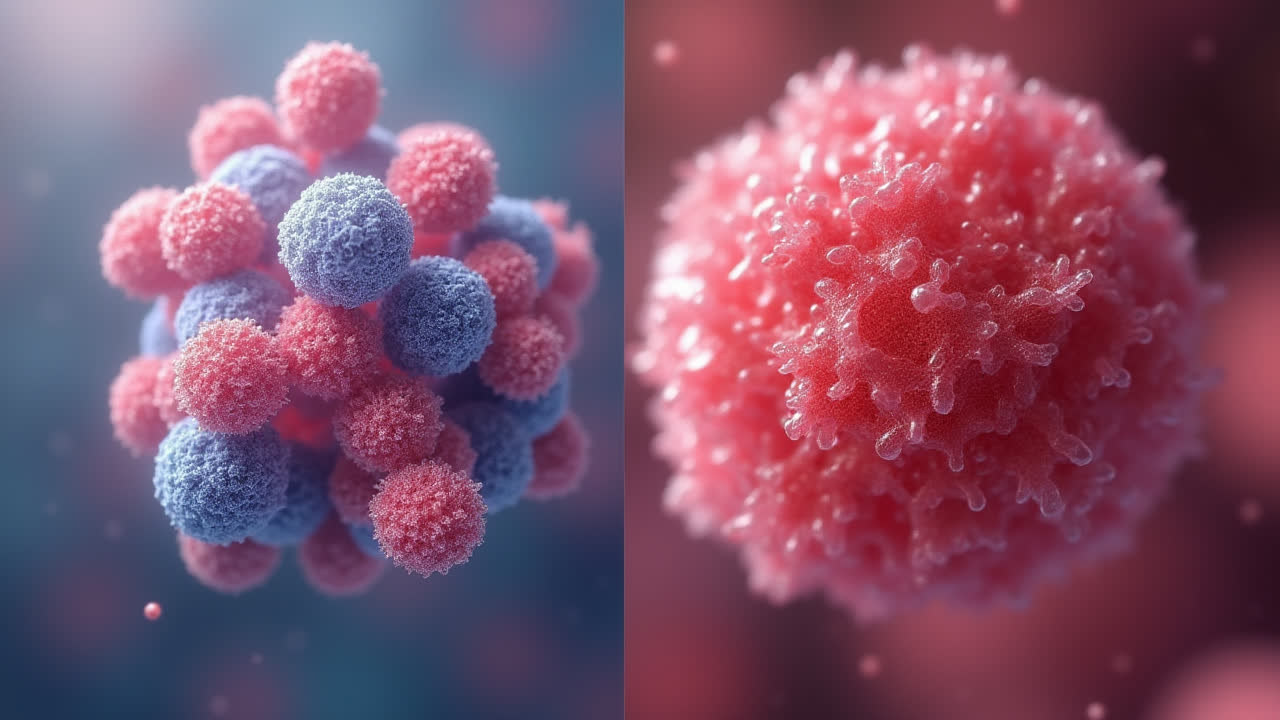
The fundamental difference between RIA and IRMA lies in their approach to detection. RIA employs radioactively labeled molecules as tracers competing with unlabeled molecules for antibody binding sites, while IRMA uses labeled antibodies that directly bind to the target substance. This distinction might seem subtle at first glance, but it leads to significant differences in sensitivity, applications, and practical considerations.
Are you deciding which technique might be better suited for your research or diagnostic needs? Or perhaps you're studying for an exam and need to clarify the differences? This comprehensive guide will walk you through everything you need to know about these two important immunoassay methods.
What Are Immunoassays?
Before diving into the specifics of RIA and IRMA, let's establish a common understanding of what immunoassays are. An immunoassay is a biochemical test that measures the presence or concentration of a substance in a biological sample by using the specific binding of antibodies to antigens. These highly selective bioanalytical methods rely on this specific binding to detect target molecules, even in complex mixtures.
Immunoassays have revolutionized laboratory medicine and research by providing tools to detect hormones, proteins, drugs, infectious agents, and other molecules with remarkable specificity and sensitivity. I remember when these techniques first became mainstream - they transformed how we could approach diagnostics by allowing us to detect substances at extremely low concentrations that were previously unmeasurable.
Several types of immunoassays exist, differentiated by their detection methods:
- Radioimmunoassay (RIA) - Using radioactive labels
- Immunoradiometric Assay (IRMA) - Using radioactively labeled antibodies
- Enzyme Immunoassay (EIA) - Using enzyme labels
- Fluoroimmunoassay (FIA) - Using fluorescent labels
- Chemiluminescent Immunoassay (CLIA) - Using chemiluminescent labels
Each type has its unique advantages and limitations. In this article, we'll focus specifically on comparing RIA and IRMA, two radioisotope-based immunoassay techniques that, despite similarities in using radioactive materials, employ fundamentally different approaches.
Understanding Radioimmunoassay (RIA)
Radioimmunoassay, or RIA, was pioneered by Rosalyn Yalow and Solomon Berson in the 1950s, an achievement that later earned Yalow the Nobel Prize. This revolutionary technique enabled scientists to measure minute quantities of substances in biological samples with unprecedented accuracy.
At its core, RIA operates on the principle of competitive binding. In this method, a radioactively labeled antigen (known as a tracer) competes with an unlabeled antigen (from your sample) for a limited number of antibody binding sites. The key aspects of RIA include:
Key Features of RIA:
- Competitive Binding: The labeled and unlabeled antigens compete for antibody binding sites
- Single Antibody System: Uses only one type of antibody to detect the target substance
- Inverse Relationship: The signal strength is inversely proportional to the amount of unlabeled antigen in the sample
- Methods: Double antibody RIA and coated tube RIA are common variations
I've used RIA extensively for hormone testing, and what always struck me was its remarkable sensitivity. Even back when laboratory equipment was far less sophisticated than today, RIA could detect hormone concentrations in the picomolar range. The process involves several steps including preparation of the radioactive tracer, incubation with the sample and antibody, separation of bound and free fractions, and measurement of radioactivity.
RIA has been especially valuable in detecting substances that are present in extremely low concentrations in biological samples. Some important applications include:
- Detection of hormones like insulin, growth hormone, and thyroid hormones
- Early cancer detection through tumor markers
- Blood bank screening for hepatitis
- Narcotics detection in forensic samples
- Research with neurotransmitters
Despite its many advantages, RIA does have limitations, including the need for special handling of radioactive materials and the requirement for proper disposal of radioactive waste. These considerations have led many laboratories to transition to non-radioactive alternatives where possible, though RIA remains important for certain applications where its sensitivity is unmatched.
Understanding Immunoradiometric Assay (IRMA)
Immunoradiometric Assay, or IRMA, represents a different approach to radioactive immunoassay. Unlike RIA, IRMA is a non-competitive "sandwich" assay that uses radioactively labeled antibodies rather than labeled antigens. This fundamental difference leads to several important distinctions in how the assay works and its applications.
The IRMA technique was developed after RIA as scientists sought ways to improve sensitivity and specificity. I remember the excitement when IRMA was first introduced to our laboratory - it opened up new possibilities for detecting certain analytes that had been challenging with RIA.
Key Features of IRMA:
- Direct Binding: The analyte binds directly to radiolabeled antibodies
- Dual Antibody System: Uses two types of antibodies - one to capture the target and another to detect it
- Direct Relationship: Signal strength is directly proportional to the amount of antigen in the sample
- Solid Phase: Often utilizes solid phase immobilization where antibodies are attached to a solid support
The principle of IRMA involves a "sandwich" formation where the analyte is captured between two different antibodies. Typically, one antibody is immobilized on a solid phase (like a bead or plate), while the other antibody is radioactively labeled. When the sample containing the analyte is added, the analyte binds to both antibodies, forming a complex. After washing away unbound materials, the amount of radioactivity present is directly proportional to the concentration of the analyte.
IRMA offers several advantages for certain applications. Its higher sensitivity makes it particularly useful for detecting substances present in extremely low concentrations. Additionally, the direct relationship between signal and analyte concentration simplifies data interpretation compared to the inverse relationship in RIA.
Common applications of IRMA include:
- Detection of tumor markers in cancer screening
- Measurement of peptide hormones
- Thyroid function tests
- Detection of viral antigens
- Research applications requiring extremely high sensitivity
Like RIA, IRMA has its own set of challenges, including higher cost and complexity due to the need for two specific antibodies and the immobilization process. However, for certain applications where maximum sensitivity is required, these trade-offs are often worthwhile.
Comparing RIA and IRMA: Key Differences
Now that we've explored both techniques individually, let's directly compare RIA and IRMA across several important parameters. Understanding these differences is crucial for selecting the appropriate technique for specific research or diagnostic needs.
| Feature | Radioimmunoassay (RIA) | Immunoradiometric Assay (IRMA) |
|---|---|---|
| Basic Principle | Competitive binding between labeled and unlabeled antigens | Non-competitive "sandwich" assay using labeled antibodies |
| What's Labeled | The antigen (tracer) | The antibody |
| Antibody System | Uses a single type of antibody | Uses two types of antibodies (capture and detection) |
| Relationship to Analyte Concentration | Inverse relationship (higher analyte = lower signal) | Direct relationship (higher analyte = higher signal) |
| Sensitivity | Good sensitivity, but typically lower than IRMA | Higher sensitivity due to dual antibody system and signal amplification |
| Cost and Complexity | Lower cost and easier to perform | Higher cost and more complex due to dual antibody requirements |
| Interference Susceptibility | More susceptible to interference from similar molecules | Less susceptible to interference due to two-antibody specificity |
| Working Range | Narrower working range | Wider working range, especially for high concentrations |
In my experience working with both techniques, I've found that the choice between RIA and IRMA often comes down to the specific requirements of the analysis and the characteristics of the target analyte. For instance, when I was researching thyroid hormones, we often preferred RIA for T3 and T4 measurements, while IRMA proved superior for measuring thyroid-stimulating hormone (TSH) due to its extremely low concentrations in certain conditions.
Have you considered which factors might be most important for your specific application? The sensitivity requirements, cost constraints, and the nature of your target molecule should all influence your decision. Sometimes, practical considerations like available equipment and expertise also play a significant role in the choice between these techniques.
Practical Considerations and Modern Alternatives
While both RIA and IRMA remain valuable techniques, it's worth noting that many laboratories have transitioned to non-radioactive alternatives in recent years. This shift has been driven by several factors, including safety concerns, regulatory requirements for handling radioactive materials, and advances in alternative technologies.
Modern alternatives to radioactive immunoassays include:
- Enzyme-Linked Immunosorbent Assay (ELISA) - Uses enzyme labels instead of radioactive markers
- Chemiluminescent Immunoassay (CLIA) - Utilizes chemiluminescent compounds for detection
- Fluorescence Immunoassay (FIA) - Employs fluorescent labels
- Electrochemiluminescence Immunoassay (ECLIA) - Combines electrochemical and luminescent methods
I've witnessed this transition firsthand in several laboratories where I've worked. The move away from radioactive techniques has been significant, though not complete. There are still scenarios where RIA or IRMA remain the methods of choice due to their unmatched sensitivity for certain applications or when dealing with particularly challenging analytes.
When deciding between RIA, IRMA, or non-radioactive alternatives, consider factors such as:
- Required sensitivity and specificity for your target analyte
- Available infrastructure for handling radioactive materials
- Regulatory environment and waste disposal requirements
- Cost considerations including reagents, equipment, and labor
- Technical expertise available in your laboratory
Remember that while newer technologies continue to emerge, understanding the principles behind classic techniques like RIA and IRMA remains valuable. These foundational methods have shaped modern immunoassay development and continue to influence how we approach analytical challenges in laboratory medicine and research.
Frequently Asked Questions
Which is more sensitive between RIA and IRMA?
IRMA generally offers higher sensitivity than RIA. This enhanced sensitivity stems from IRMA's use of two antibodies (creating a "sandwich" arrangement) and its direct relationship between signal and analyte concentration. While RIA can detect substances in the picomolar range, IRMA can sometimes push detection limits even lower, making it particularly valuable for analytes present in extremely low concentrations, such as certain tumor markers and hormones like TSH. The solid-phase immobilization of labeled molecules in IRMA also contributes to its improved sensitivity compared to RIA.
When would you choose RIA over IRMA?
You might choose RIA over IRMA in several scenarios. First, when cost and simplicity are major concerns, RIA is generally less expensive and easier to perform since it requires only one antibody. Second, RIA is often preferred for small molecules with limited epitopes (antibody binding sites) that cannot accommodate two antibodies simultaneously, making the IRMA "sandwich" approach impossible. Third, if you already have established RIA protocols and trained personnel, switching to IRMA might not be justified unless significantly higher sensitivity is required. Finally, in some cases where the target molecule has structural similarities to other substances, the competitive binding principle of RIA might actually provide better specificity.
Are RIA and IRMA still relevant in modern laboratories?
Yes, both RIA and IRMA remain relevant in specific contexts despite the growth of non-radioactive alternatives. They continue to be used in research laboratories and specialized clinical settings where their exceptional sensitivity is required. Some hormone assays and tumor marker tests still rely on these techniques when alternatives cannot match their performance. However, the use of radioactive techniques has declined significantly due to safety concerns, regulatory requirements, and the development of highly sensitive non-radioactive methods like chemiluminescent immunoassays and electrochemiluminescence. Many routine clinical laboratories have transitioned away from radioactive methods, but understanding RIA and IRMA remains important for comprehensive knowledge of immunoassay principles and for certain specialized applications.
Conclusion
The differences between RIA and IRMA represent more than just technical distinctions—they reflect different approaches to solving the analytical challenge of detecting substances in biological samples. While both utilize radioactive markers, their underlying principles, sensitivities, and applications vary significantly.
RIA, with its competitive binding approach and single antibody system, offers a well-established method that has stood the test of time for many applications. IRMA, with its sandwich assay format and dual antibody system, provides enhanced sensitivity at the cost of greater complexity and expense.
Understanding these differences allows researchers and laboratory professionals to make informed decisions about which technique best suits their specific needs. Whether you're conducting research, working in a diagnostic laboratory, or studying immunoassay techniques, a clear understanding of both RIA and IRMA provides valuable insight into the evolution and application of immunoassay technology.
As we look to the future, non-radioactive alternatives continue to gain ground, but the principles established by RIA and IRMA remain foundational to modern immunoassay design. These techniques have left an indelible mark on laboratory medicine and continue to influence how we approach analytical challenges in both research and clinical settings.