Red vs White Miso: Essential Differences Every Cook Should Know
Have you ever stood in the Asian food aisle, staring at different colored miso containers and wondering which one to choose? You're not alone. The world of miso is rich and diverse, with red and white miso being the most common varieties found in Western markets. Understanding the differences between these two staples of Japanese cuisine can transform your cooking and open up new flavor possibilities.
Miso, a fermented soybean paste that's been a cornerstone of Japanese cooking for centuries, comes in various forms, each with distinct characteristics and uses. The color spectrum ranges from pale beige to deep reddish-brown, with each shade indicating different flavor profiles, ingredients, and fermentation processes. I've been cooking with miso for over a decade, and I still discover new ways to use this versatile ingredient every month.
In this comprehensive guide, we'll explore everything you need to know about red and white miso – from their production methods and flavor profiles to their culinary applications and nutritional benefits. Whether you're a seasoned chef or a curious home cook, understanding these two miso varieties will elevate your cooking and help you make more informed choices in the kitchen.
What Exactly Is Miso?
Before diving into the differences between red and white varieties, let's establish what miso actually is. Miso is a traditional Japanese seasoning produced by fermenting soybeans with salt and koji (a type of fungus, Aspergillus oryzae), and sometimes rice, barley, or other ingredients. The resulting paste has a consistency similar to peanut butter and a complex, savory taste that Japanese cuisine refers to as "umami" – the fifth taste alongside sweet, sour, salty, and bitter.
The history of miso dates back over 1,300 years in Japan, though similar fermented bean pastes existed in China even earlier. Originally, miso was a luxury item reserved for nobility and Buddhist monks. It wasn't until the Kamakura period (1185-1333) that miso production expanded and became more accessible to common people. Now, miso is a staple in Japanese households and has gained popularity worldwide for its distinctive flavor and nutritional benefits.
The production process involves several stages: soaking and cooking the soybeans, mixing them with koji and salt, and then fermenting the mixture for anywhere from a few weeks to several years. This fermentation process is where the magic happens – enzymes break down proteins, carbohydrates, and fats into more flavorful compounds, creating miso's characteristic taste and aroma. I remember visiting a traditional miso factory in Kyoto where massive wooden barrels housed fermenting miso – the rich, yeasty smell was unforgettable!
What makes miso special is its incredible versatility. It's used in soups (the famous miso soup or "misoshiru"), marinades, dressings, glazes, and as a flavor enhancer in countless dishes. Beyond its culinary applications, miso has been valued for its nutritional and medicinal properties throughout Japanese history, believed to aid digestion, strengthen the immune system, and contribute to overall longevity.
Red Miso: The Bold and Robust Variety
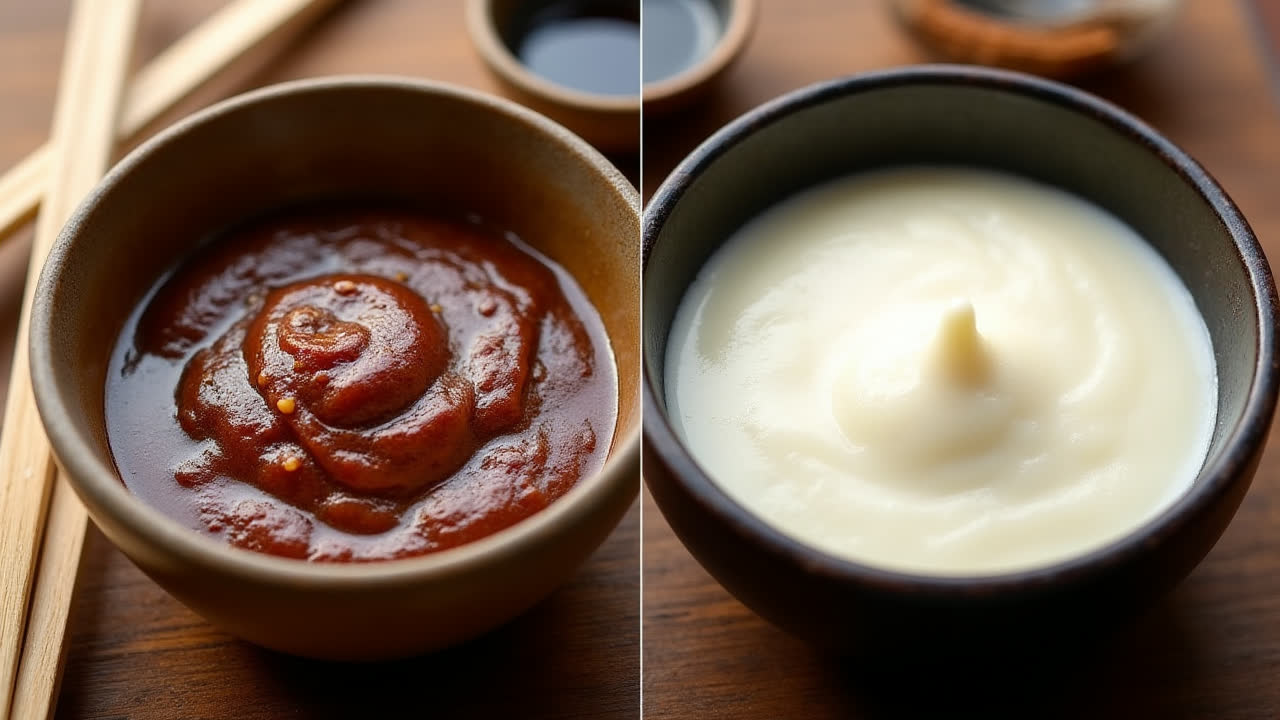
Red miso (aka "aka miso" in Japanese) encompasses darker variants ranging from red to deep brown. This type is characterized by its stronger, more pronounced flavor profile that can sometimes be described as pungent or assertive. The color and intensity come from a longer fermentation period – typically from one to three years – allowing deeper flavors to develop over time.
In terms of composition, red miso generally contains a higher percentage of soybeans relative to the koji starter. Some varieties use a mix of soybeans and barley as the base. The extended fermentation process not only develops the stronger flavor but also leads to a higher salt content, typically between 12-18%, which acts as a preservative. The first time I used red miso in a soup, I made the mistake of using the same amount as I would white miso – the resulting dish was intensely salty and overpowering! A little goes a long way with this potent ingredient.
The flavor profile of red miso is complex and multidimensional. It offers earthy, umami-rich notes with a pronounced saltiness and sometimes a slight bitterness at the finish. There's often a subtle sweetness underneath, but it's the savory, robust character that dominates. Some varieties develop almost meaty or mushroom-like qualities that make them perfect for adding depth to vegetarian dishes.
Red miso shines in hearty applications. It excels in rich soups and stews, especially during colder months when its warming properties are most welcome. It makes an excellent glaze for grilled or roasted meats, adding caramelization and depth. For marinades, its strong flavor can stand up to robust ingredients like beef or portobello mushrooms. I've found that red miso mixed with a bit of butter creates an incredible compound butter that, when melted over a steak, elevates it to restaurant-quality heights.
White Miso: The Delicate and Sweet Option
On the lighter end of the spectrum, white miso (or "shiro miso") offers a more delicate approach to the fermented soybean world. Despite its name, white miso typically ranges from pale beige to light yellow rather than true white. This variety is prized for its mild, sweet character and remarkable versatility in the kitchen.
White miso has a significantly different composition compared to its red counterpart. It contains a higher percentage of rice koji relative to soybeans, which contributes to its lighter color and sweeter taste. The fermentation period is much shorter – typically just a few weeks to a few months – resulting in a milder flavor profile and lower salt content (usually around 5-8%). This gentler approach to fermentation preserves more of the natural sweetness of the ingredients while still developing those desirable umami notes.
The flavor profile of white miso is characterized by subtle sweetness with gentle umami undertones. It has a smooth, almost creamy quality that makes it wonderfully adaptable in various culinary contexts. There's a mild nuttiness that comes through, particularly in high-quality varieties, alongside a gentle tanginess from the fermentation process. My neighbor, who avoided miso for years thinking all varieties were as strong as red miso, became an instant fan after I introduced her to the gentle nature of white miso in a simple dressing.
When it comes to culinary applications, white miso truly shines in delicate preparations. It's perfect for light, summer-appropriate soups where you want umami without heaviness. It makes exceptional salad dressings, especially when paired with citrus or rice vinegar. White miso excels in creamy sauces, imparting depth without overwhelming other ingredients. It's particularly good with seafood and chicken, where its subtle character enhances without dominating. I've even used it in desserts – a small amount mixed into caramel sauce creates an intriguing salty-sweet complexity that pairs wonderfully with apple or pear desserts.
Comparative Analysis: Red vs White Miso
Now that we've explored each variety individually, let's directly compare red and white miso across several important dimensions. Understanding these differences will help you choose the right type for specific dishes and develop a better sense of how to use miso effectively in your cooking.
| Characteristic | Red Miso | White Miso |
|---|---|---|
| Color | Dark red to brown | Pale beige to light yellow |
| Flavor Profile | Strong, robust, salty, complex | Mild, sweet, delicate, subtle |
| Fermentation Period | 1-3 years | 2 weeks to 3 months |
| Salt Content | Higher (12-18%) | Lower (5-8%) |
| Base Ingredients | Higher soybean percentage, sometimes barley | Higher rice koji percentage, fewer soybeans |
| Best Suited For | Hearty soups, braises, glazes, marinades | Light soups, dressings, delicate sauces, dips |
| Seasonal Use | Traditionally winter/cold weather | Traditionally summer/warm weather |
| Shelf Life | Longer due to higher salt content | Shorter, requires refrigeration |
As you can see from the comparison, these two varieties differ substantially across multiple dimensions. The choice between them isn't simply a matter of color but reflects fundamental differences in production, flavor, and culinary applications. In Japanese cooking, there's often a seasonal element to miso selection – red varieties traditionally appearing more in winter dishes, while white miso features prominently in summer cuisine.
Chef's Tip:
Unsure which miso to use? As a general rule, use white miso in dishes where you want miso to play a supporting role, adding subtle depth. Choose red miso when you want it to be a dominant flavor or when cooking with robust ingredients that can stand up to its intensity.
Culinary Applications and Recipe Ideas
Now that we understand the fundamental differences between red and white miso, let's explore some specific ways to use each variety in your cooking. These practical applications will help you leverage the unique properties of each type to enhance your dishes.
Red Miso Recipe Ideas
- Hearty Miso Soup: Create a robust winter soup with red miso, root vegetables, mushrooms, and tofu. The deep umami flavor stands up beautifully to earthy vegetables.
- Miso-Glazed Eggplant: Combine red miso with mirin, sake, and a touch of sugar for a glaze that caramelizes beautifully on roasted eggplant halves.
- Marinades for Meat: Mix red miso with garlic, ginger, sesame oil, and a touch of brown sugar for an exceptional marinade for beef or lamb.
- Vegetable Stews: A spoonful of red miso added at the end of cooking gives remarkable depth to vegetable stews and curries.
- Miso Butter: Blend red miso with softened butter to create a compound butter perfect for melting over grilled steaks or roasted vegetables.
White Miso Recipe Ideas
- Light Summer Soups: Create delicate broths with white miso, adding fresh vegetables and herbs for a refreshing summer soup.
- Salad Dressings: Whisk white miso with rice vinegar, a touch of honey, and neutral oil for a balanced, creamy dressing.
- Seafood Preparations: Use white miso to create subtle glazes for fish like cod or salmon.
- Creamy Dips: Blend white miso with yogurt or soft tofu for a protein-rich dip for vegetable crudités.
- Dessert Applications: Experiment with small amounts of white miso in caramel sauces or ice cream bases for an intriguing sweet-savory balance.
One of my favorite ways to use both types together is in a "double miso" sauce – combining the depth of red miso with the sweetness of white miso to create a balanced sauce that works with everything from noodles to roasted vegetables. Start with a 2:1 ratio of white to red, and adjust according to your preference.
When cooking with either variety, remember that miso's beneficial enzymes and probiotics are destroyed by high heat. To preserve these health benefits, it's best to add miso at the end of cooking or keep it below boiling temperatures. In soup preparation, this typically means removing the pot from heat, letting it cool slightly, and then stirring in the miso.
Nutritional Considerations and Health Benefits
Beyond their culinary merits, both red and white miso offer impressive nutritional profiles, though there are some differences worth noting. As fermented foods, both varieties provide beneficial bacteria and enzymes that support digestive health, but their specific nutritional properties vary somewhat.
Red miso, with its longer fermentation period, often contains higher levels of beneficial compounds produced during fermentation. These include antioxidants and certain B vitamins that develop through the fermentation process. The longer aging process also results in more complex proteins and a higher concentration of certain minerals. However, the higher salt content in red miso means it should be used more sparingly for those monitoring sodium intake.
White miso generally has a lower salt content, making it a better choice for those on sodium-restricted diets. While it undergoes less fermentation, it still offers probiotic benefits and essential nutrients. Some studies suggest that the particular strains of beneficial bacteria in white miso may have specific advantages for gut health, though research is ongoing in this area.
Both varieties share several health benefits: they're excellent sources of complete protein, containing all essential amino acids. They provide manganese, zinc, copper, and vitamin K in appreciable amounts. The fermentation process makes nutrients more bioavailable and creates compounds that may have anti-inflammatory, anti-cancer, and immune-supporting properties. Remember though, that miso is still quite high in sodium, so moderation is key – fortunately, its intense flavor means a little goes a long way!
Storing and Preserving Miso
Proper storage is essential to maintain the quality and flavor of both red and white miso. While miso's high salt content acts as a natural preservative, there are important differences in shelf stability between the varieties.
Red miso, with its higher salt content and longer fermentation, generally has a longer shelf life. Even after opening, it can last up to a year when stored properly in the refrigerator. The key is to keep it in an airtight container to prevent oxidation and drying out. I like to press a piece of plastic wrap directly onto the surface of the miso before closing the container to minimize air exposure.
White miso is more delicate due to its lower salt content and shorter fermentation period. While still quite stable compared to many fresh foods, it should be handled with more care. Once opened, white miso typically stays at its best quality for about 6-9 months in the refrigerator. As with red miso, proper storage in an airtight container is essential.
For both varieties, watch for signs of deterioration such as significant color changes, unusual odors, or visible mold growth (though a slight darkening of the surface is normal and can be scraped away). Temperature fluctuations can accelerate quality degradation, so keeping miso at a consistent refrigerator temperature is ideal. Never store miso at room temperature after opening, as this can lead to unwanted bacterial growth and flavor changes.
Frequently Asked Questions
Can I substitute red miso for white miso in recipes?
Yes, but with caution. Substituting red miso for white will result in a stronger, saltier flavor. Start by using about half the amount of red miso that the recipe calls for with white miso. Then taste and adjust as needed. The dish will have a deeper flavor profile and likely a darker color. This substitution works better in hearty dishes than in delicate preparations. For the reverse substitution (white for red), you might need to increase the amount and possibly add other flavor enhancers like soy sauce to achieve a similar depth.
What is yellow miso and how does it compare to red and white varieties?
Yellow miso (shinshu miso) sits between white and red miso in terms of strength and flavor profile. It's typically fermented for about a year and has a mild, slightly earthy taste that's more pronounced than white miso but less intense than red. Yellow miso often contains barley along with rice and soybeans. It's an excellent "middle ground" option that works well in soup, marinades, and glazes when you want more depth than white miso provides but don't want the potency of red miso. Many home cooks find yellow miso to be the most versatile of all miso varieties.
Is miso suitable for vegetarian and vegan diets?
Most miso is suitable for vegetarian and vegan diets as it's typically made from soybeans, grains, salt, and koji culture. However, some specialty varieties might contain fish products like bonito or katsuobushi. Always check the ingredient list if you follow a strict vegetarian or vegan diet. Pure miso without additives is not only vegetarian/vegan-friendly but also a valuable source of complete protein and umami flavor for plant-based diets. This makes it an excellent ingredient for adding depth to vegetarian and vegan dishes that might otherwise lack the savory qualities found in meat-based foods.
Conclusion: Choosing Between Red and White Miso
The choice between red and white miso ultimately comes down to the specific dish you're preparing and your personal flavor preferences. White miso, with its sweet, mild character is perfect for lighter dishes, delicate proteins, and situations where you want a hint of umami without overwhelming other ingredients. Red miso, bold and assertive, shines in hearty dishes, robust proteins, and preparations where you want miso to be a dominant flavor note.
Many experienced cooks keep both varieties on hand, reaching for white miso in the warmer months and red miso during colder seasons. Some even blend the two to create custom flavor profiles tailored to specific dishes. The world of miso extends far beyond just these two varieties – with numerous regional variations throughout Japan, each with unique characteristics – but understanding the fundamental red/white distinction provides an excellent foundation for exploring this versatile ingredient.
As with any ingredient, the best way to develop an intuitive sense of how to use miso is through experimentation. Start with small amounts, taste as you go, and don't be afraid to adjust based on your preferences. Whether you're making a traditional Japanese dish or incorporating miso into Western cooking, these fermented soybean pastes offer remarkable depth and complexity that can transform your culinary creations.
The next time you're standing in front of that grocery store shelf contemplating which miso to buy, you'll have the knowledge to make an informed choice. And remember – there's no wrong answer! Each variety has its place in the kitchen, and discovering your personal preferences is part of the joy of cooking with this ancient, umami-rich ingredient.