Pumice Stone vs Foot File: Which is Best for Your Foot Care Needs?
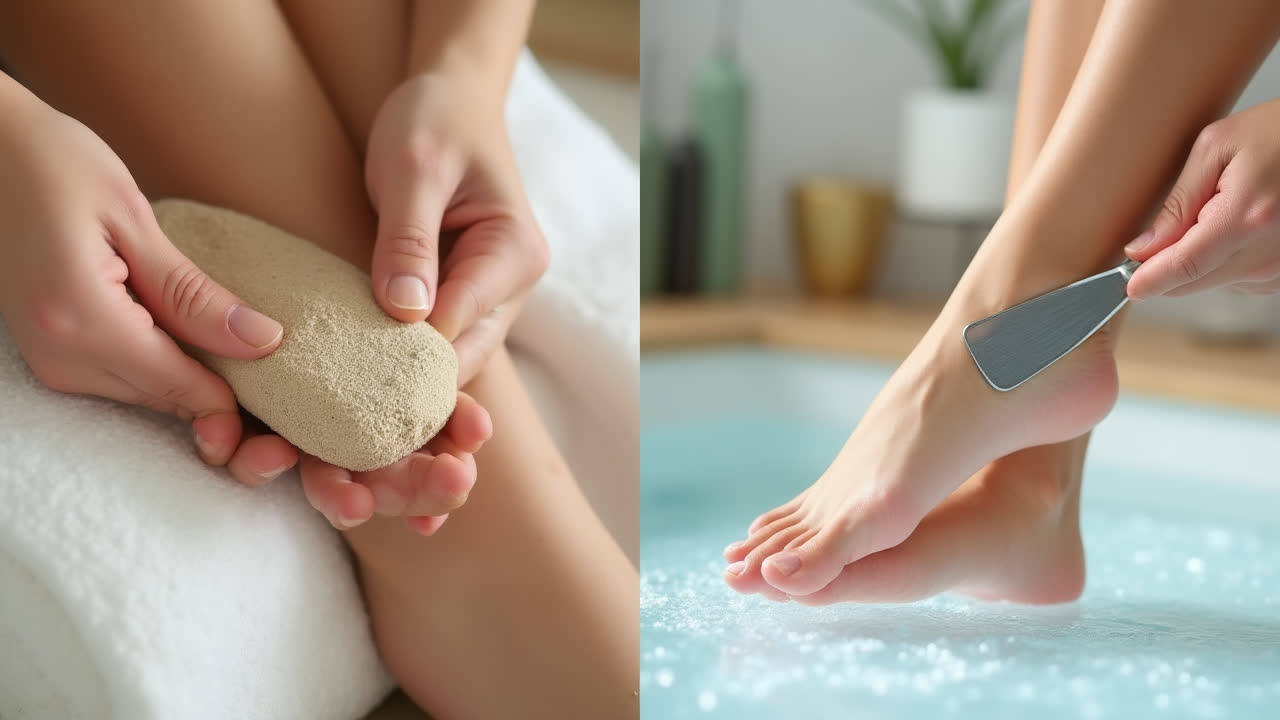
Are your feet feeling rough and calloused? You're not alone. Many of us struggle with dry, hardened skin on our feet, especially around the heels and balls of the foot. When it comes to tackling this common problem, two tools stand out in the world of foot care: the pumice stone and the foot file. But which one should you choose? The answer isn't always straightforward, as each tool has its unique advantages depending on your specific needs.
I've been dealing with stubborn calluses for years, and I've tried just about every foot care product on the market. What I've discovered is that understanding the difference between these two popular exfoliation tools can make all the difference in achieving smooth, healthy feet. Sometimes I reach for my trusty pumice stone, and other times, only my heavy-duty foot file will do the trick.
In this comprehensive guide, we'll explore everything you need to know about foot exfoliation tools, focusing specifically on the differences between pumice stones and foot files. By the end, you'll have all the information you need to make an informed decision about which tool is right for your personal foot care routine. Isn't it time your feet got the attention they deserve?
What is a Pumice Stone?
A pumice stone is a natural volcanic rock formed when lava and water mix together. This unique formation process creates a lightweight, porous stone with abrasive properties that make it perfect for removing dead skin. I remember the first time I held a pumice stone – I was surprised by how light it felt, almost as if it might float in water (and some actually do)!
These natural exfoliators have been used for centuries in beauty and hygiene routines. The porous surface of a pumice stone provides just enough texture to gently buff away dry, rough skin without causing damage to the healthy skin underneath. Because pumice stones are completely natural, they contain no chemicals or toxins, making them an excellent choice for those with sensitive skin or those who prefer natural beauty products.
The beauty of pumice stones lies in their versatility. While they're primarily known for foot care, they can also be used to exfoliate rough skin on elbows, knees, and even to remove stubborn stains from household surfaces. However, their most common application remains softening calluses and corns on the feet to reduce pain from friction. When used correctly, a pumice stone can transform rough, calloused feet into smooth, soft skin with regular use.
It's worth noting that proper use of a pumice stone is essential. Too much pressure or aggressive scrubbing might result in removing too much skin, leading to bleeding and potentially infections. This happened to a friend of mine who was a bit too enthusiastic during her first pedicure session – a painful reminder that gentleness is key when using these natural tools.
How to Use a Pumice Stone Properly
Using a pumice stone effectively requires a bit of technique, but it's quite simple once you get the hang of it. The most important step – and one I always emphasize – is proper preparation. Always start by soaking your feet in warm water for at least 10 minutes. This crucial step softens the hard skin, making it much easier to remove and reducing the risk of injury. I like to add a handful of Epsom salts or a few drops of essential oil to my foot soak for added relaxation and skin-softening benefits.
After soaking, take your wet pumice stone (never use it dry) and gently rub it over the affected areas using circular or back-and-forth motions. The key word here is gently – you don't need to apply much pressure at all. Let the stone's natural abrasiveness do the work for you. Continue this process for 2-3 minutes per area, occasionally dipping the stone in water to rinse away dead skin cells and keep it moist.
Once you've finished exfoliating, rinse your feet thoroughly and pat them dry with a clean towel. This is the perfect time to apply a rich foot cream or moisturizer to lock in hydration and keep your newly smoothed skin soft. Personally, I find that applying moisturizer while my skin is still slightly damp helps the product absorb better.
Don't forget to care for your pumice stone after each use. Rinse it thoroughly to remove any skin particles, and allow it to dry completely in a well-ventilated area. Proper cleaning and drying prevent bacteria growth and extend the life of your stone. I keep mine on a small dish near a window where it can dry properly between uses. With proper care, a quality pumice stone can last for months, making it an economical choice for regular foot maintenance.
What is a Foot File?
A foot file is a man-made exfoliating tool specifically designed to tackle tougher skin issues on the feet. Unlike the naturally occurring pumice stone, foot files are manufactured using abrasive materials such as emery, metal, or sometimes ceramic. This gives them a more uniform surface and often a higher level of abrasiveness. I've collected quite a few different types over the years, and the variety available is impressive.
Foot files come in numerous styles and variations to suit different needs. Some have long handles for better reach and leverage, while others are designed to fit comfortably in the palm of your hand. The market offers everything from simple emery boards scaled up for foot use to sophisticated electric foot files that do most of the work for you. My electric foot file was a game-changer when I was dealing with particularly stubborn calluses after a summer of walking barefoot!
What sets foot files apart from pumice stones is their ability to tackle more severe cases of hardened skin. If you've ever dealt with thick, resistant calluses that seem impervious to gentler methods, you'll appreciate the efficiency of a good foot file. They're particularly effective on heels, where skin tends to become the thickest and most problematic. Some professional-grade foot files can remove significant amounts of dead skin in just a few minutes – something that might take much longer with a pumice stone.
However, this increased effectiveness comes with a caveat. The greater abrasiveness of foot files means they must be used with care to avoid removing too much skin. This is especially important for individuals with diabetes or circulation issues, who should consult with healthcare providers before using any abrasive foot care tools. I always recommend starting with the least abrasive file if you're new to foot filing, then working your way up if needed.
Types of Foot Files
The world of foot files is surprisingly diverse, with options ranging from basic to highly specialized. Understanding the different types can help you choose the right tool for your specific needs. The most common types include metal rasps, which feature tiny raised edges that act like miniature graters for your skin. These are highly effective but require a careful touch. I reserve my metal rasp for the toughest spots on my heels – it's too intense for regular all-over use.
Emery foot files function similarly to nail files but on a larger scale. They typically feature a coarse side for removing tough skin and a finer side for smoothing and polishing. These tend to be gentler than metal options and are great for maintenance once the worst calluses have been addressed. Glass foot files have gained popularity in recent years for their durability and hygiene benefits. Unlike other materials, glass can be thoroughly sanitized without degrading, making them a favorite among those concerned about cleanliness.
Electric foot files represent the high-tech end of the spectrum. These battery-operated devices typically feature rotating heads with replaceable exfoliating surfaces. They require minimal physical effort from the user and can make quick work of even the toughest calluses. The first time I used an electric file, I was amazed at how effortlessly it removed hardened skin that I'd been struggling with for weeks using manual methods.
For those seeking an all-in-one solution, combination tools often feature different surfaces – perhaps a pumice stone on one side and a metal file on the other. These versatile options allow you to switch between gentle and more aggressive exfoliation as needed. No matter which type you choose, proper technique remains important. Always prep the skin by soaking first, use gentle pressure and motions, and follow up with moisturizer to keep your newly smoothed skin hydrated and healthy.
Pumice Stone vs Foot File: Detailed Comparison
| Feature | Pumice Stone | Foot File |
|---|---|---|
| Origin | Natural volcanic rock | Man-made with abrasive materials |
| Abrasiveness | Gentle to moderate | Moderate to high (varies by type) |
| Best for | Sensitive skin, regular maintenance | Tough calluses, hard skin, intensive treatment |
| Effectiveness on hard calluses | Moderate (may take longer) | High (removes tough skin quickly) |
| Skin sensitivity concerns | Less likely to cause irritation | Higher potential for over-exfoliation |
| Durability | Wears down over time | Generally longer-lasting |
| Versatility | Can be used on other body parts | Primarily designed for feet |
| Price range | Usually $3-$10 | $5-$50+ (depending on type) |
Similarities Between Pumice Stone and Foot File
Despite their differences, pumice stones and foot files share several common features and purposes. Understanding these similarities can help you appreciate how both tools fit into an effective foot care routine. First and foremost, both are designed with the same primary goal: to remove dry, dead skin from the feet. Whether you're dealing with minor roughness or significant calluses, both tools work through mechanical exfoliation – physically buffing away the outer layer of hardened skin cells.
Both tools require similar preparation for optimal results. Soaking the feet beforehand is recommended regardless of which tool you choose. This pre-treatment softens the skin, making exfoliation more effective and comfortable. I've found that skipping this step significantly reduces the effectiveness of both pumice stones and foot files – it's simply not worth cutting corners here.
Another important similarity is the need for caution when using either tool. Both pumice stones and foot files can potentially remove too much skin if used too aggressively or for too long. This is particularly important for individuals with diabetes, who may have reduced sensation in their feet and an increased risk of infections. For anyone with diabetes or circulation issues, consulting with a healthcare provider before using either exfoliation method is essential.
After-care recommendations are also consistent across both tools. Following up with moisturizer helps to keep the newly exposed skin soft and prevents rapid reformation of hard skin. Both tools also require cleaning after each use to maintain hygiene and effectiveness. While their materials and cleaning methods may differ slightly, the principle of keeping your foot care tools clean and dry between uses applies universally.
Which Tool is Right for You?
Choosing between a pumice stone and a foot file ultimately comes down to your specific foot care needs, preferences, and skin condition. If you have sensitive skin or are new to foot exfoliation, a pumice stone might be the gentler introduction you need. Its natural composition and moderate abrasiveness make it less likely to cause irritation or over-exfoliation. I often recommend pumice stones to friends who are just beginning to develop a foot care routine.
On the other hand, if you're dealing with significant calluses or particularly tough skin – perhaps from activities that put pressure on your feet like running or dancing – a foot file might provide the more intensive treatment you require. The higher abrasiveness of foot files makes them more efficient for tackling stubborn problem areas, especially on the heels. My partner, who spends all day on his feet as a chef, swears by his metal foot file for keeping painful heel calluses at bay.
Many foot care enthusiasts (myself included) find that having both tools on hand offers the most comprehensive approach. I use my pumice stone for regular maintenance and gentler all-over smoothing, then bring out the foot file when I notice tougher spots developing. This combined approach allows for tailored treatment depending on what my feet need at any given time.
Consider also your personal preferences regarding natural versus manufactured products. If you tend to favor natural, chemical-free items in your personal care routine, a pumice stone aligns well with that philosophy. For those who prioritize efficiency and technological innovation, modern foot files – particularly electric models – might be more appealing. Either way, consistent use is key to maintaining soft, healthy feet. The best tool is ultimately the one you'll use regularly as part of your self-care routine.
Best Practices for Foot Care
Regardless of which exfoliation tool you choose, incorporating some fundamental foot care practices can enhance your results and overall foot health. Consistency is perhaps the most important factor – regular maintenance prevents the build-up of hard skin that becomes more difficult to remove. I've found that a weekly exfoliation session works well for my needs, but you might adjust the frequency based on how quickly your skin hardens.
Hydration plays a crucial role in maintaining soft feet. Apply moisturizer daily, not just after exfoliation. Products containing ingredients like urea, lactic acid, or salicylic acid can help to naturally soften hard skin between manual exfoliation sessions. I keep a foot cream on my nightstand and apply it before bed, allowing it to work overnight while I sleep.
Pay attention to your footwear choices, as inappropriate shoes can contribute to callus formation. Shoes that fit poorly or lack proper support create friction and pressure points that lead to hardened skin. Similarly, walking barefoot frequently, especially outdoors, can toughen the skin on your feet – something I discovered after a beach vacation left me with significantly thicker calluses than usual.
Consider incorporating a foot soak into your routine even on days when you're not exfoliating. A 15-minute soak in warm water with Epsom salts, baking soda, or apple cider vinegar can help to soften skin and provide relaxation benefits. This simple practice has become one of my favorite self-care rituals, offering both physical and mental benefits after a long day.
Frequently Asked Questions
Is it safe to use a pumice stone or foot file if I have diabetes?
People with diabetes should exercise extreme caution when using any foot exfoliation tools, including both pumice stones and foot files. Diabetes can cause reduced sensation in the feet (neuropathy) and poor circulation, which increases the risk of accidental injury and infections. Even minor cuts or abrasions can potentially lead to serious complications.
If you have diabetes, always consult with your healthcare provider before incorporating pumice stones or foot files into your foot care routine. Many healthcare professionals recommend that people with diabetes avoid using these tools altogether and instead seek professional foot care from a podiatrist. If your doctor does approve light exfoliation, use only the gentlest tools with extreme care, and never exfoliate if you have any open wounds or infections on your feet.
How often should I replace my pumice stone or foot file?
Pumice stones naturally wear down with use and should typically be replaced every 2-3 months with regular use. Signs that your pumice stone needs replacement include significant smoothing of the surface (reducing its effectiveness), discoloration that doesn't wash away, or any development of mold due to improper drying.
Foot files generally last longer than pumice stones, but their lifespan varies by type. Metal files may last for years with proper care, while emery-style files will wear down more quickly. Electric foot files usually have replaceable heads that should be changed every 3-6 months depending on use. Always replace any foot care tool immediately if it shows signs of damage, rust, or cannot be properly cleaned.
Can I use a pumice stone or foot file on wet or dry skin?
Both pumice stones and most foot files should be used on wet, pre-soaked skin for best results and safety. Soaking your feet for at least 10 minutes softens the dead skin cells, making them easier to remove and reducing the risk of removing too much skin or causing irritation. Using these tools on dry skin can be uncomfortable and potentially damaging, as they may remove healthy skin along with calluses.
The exception to this rule is certain electric foot files specifically designed for dry use. These specialized tools will clearly state in their instructions if they can be used on dry feet. Always check the manufacturer's recommendations for your specific tool. When in doubt, the wet method is generally safer and more effective for most people.
Conclusion
When comparing pumice stone vs foot file, there's no definitive "better" option – each has its place in foot care depending on your specific needs. Pumice stones offer a gentle, natural approach that works well for regular maintenance and sensitive skin. Their lightweight, porous nature provides effective exfoliation while minimizing the risk of removing too much skin. However, they may require more time and effort to address tougher calluses.
Foot files, with their range of abrasiveness levels and specialized designs, excel at tackling more severe skin hardening and stubborn calluses. They often provide quicker results for problematic areas but require a more careful approach to avoid over-exfoliation. The variety of foot files available means you can likely find one perfectly suited to your specific concerns.
Many foot care enthusiasts find that incorporating both tools into their routine offers the most comprehensive approach. Using a foot file for tough spots and a pumice stone for general maintenance combines the strengths of both tools. Whichever option you choose, remember that consistency, proper technique, and good overall foot care practices are key to maintaining healthy, comfortable feet.
Your feet carry you through life – they deserve thoughtful care. Whether you opt for the ancient volcanic wonder of a pumice stone or the modern efficiency of a specialized foot file, the most important thing is developing a regular foot care routine that works for you. Your future self (and your sandal-ready feet) will thank you!