Powerbeats 2 vs 3: Which Wireless Headphones Are Better For Workouts?
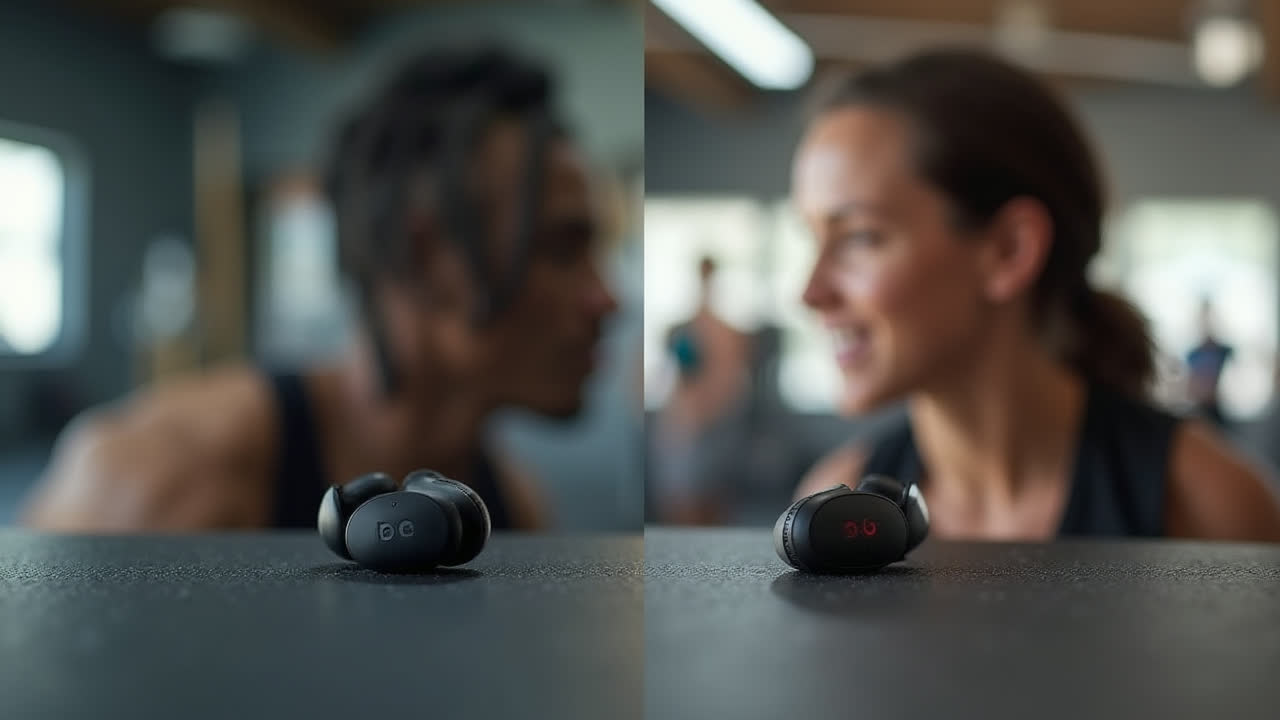
Choosing the right wireless headphones for your active lifestyle can be overwhelming with so many options on the market. Powerbeats wireless headphones have become a go-to choice for fitness enthusiasts looking for reliable audio companions during workouts. But what exactly separates the Powerbeats 2 from its successor, the Powerbeats 3? I've tested both extensively during countless gym sessions and outdoor runs, and I'm here to break down the differences to help you make an informed decision.
The most significant difference between these two popular models lies in their battery performance. The Powerbeats 3 offers an impressive 12-hour battery life—double what you get with the Powerbeats 2. This substantial improvement comes courtesy of Apple's W1 chip, which was integrated after Apple acquired Beats in 2014. But is this upgrade enough to justify choosing the newer model? Let's dive deeper into these wireless earphones to determine which one deserves your hard-earned cash.
A Brief History of Powerbeats
Before we get into the nitty-gritty details, let's take a quick look at how these headphones came to be. Beats was founded by Dr. Dre and Jimmy Iovine in 2006, quickly becoming a cultural phenomenon with their distinctive bass-heavy sound signature. The Powerbeats line was specifically designed for athletes and active individuals who needed headphones that wouldn't budge during intense physical activity.
When Apple acquired Beats in 2014, they didn't completely overhaul the design that fans had come to love. Instead, they focused on technological improvements. The Powerbeats 2 was already on the market before the acquisition, while the Powerbeats 3 represents the first major iteration after Apple took the reins. This transition period makes comparing these two models particularly interesting—it's essentially comparing pre-Apple and post-Apple Beats technology.
I remember when the original Powerbeats hit the market—they were somewhat revolutionary for fitness enthusiasts like me who were tired of constantly adjusting earbuds or dealing with headphones that couldn't handle sweat. Both the Powerbeats 2 and 3 build on that original promise of stability and durability, but with progressive refinements that make a real difference during daily use.
Powerbeats 2: Features and Specifications
The Powerbeats 2 represented a significant step forward in wireless workout headphones when they were released. These flashy, eye-catching earphones come with a sleek design that's immediately recognizable. During my first few weeks with them, I was impressed by how they managed to stay in place during high-intensity interval training—something my previous headphones failed miserably at.
In terms of technical specifications, the Powerbeats 2 offers about 6 hours of listening time on a full charge. While this might be sufficient for casual users, I found it somewhat limiting for longer workout sessions or when I forgot to charge them overnight. The charging process itself takes about 2 hours from empty to full, which isn't terrible but could be better.
Sound-wise, the Powerbeats 2 delivers what Beats is known for—powerful, thumping bass that can help keep you motivated during workouts. However, some audiophiles might find the sound profile lacks some fidelity in the mid and high ranges. I personally didn't mind this during workouts, as the energetic bass-forward sound perfectly complemented my exercise rhythm.
The Powerbeats 2 also comes with universal controls that allow you to adjust volume, skip tracks, and take calls without reaching for your phone. The built-in microphone works reasonably well in quiet environments, though it struggles a bit in noisier settings like busy gyms. Siri and speech dictation support are included, which I found handy for quickly adding items to my shopping list between sets at the gym.
Powerbeats 3: Features and Specifications
At first glance, the Powerbeats 3 doesn't look drastically different from its predecessor. Apple maintained the iconic design with the over-ear hooks and similar aesthetic. However, it's what's inside that counts—the integration of Apple's W1 chip represents a significant technological upgrade. This chip is the same one found in Apple's AirPods, and it brings several meaningful improvements to the table.
The most notable enhancement is the extended battery life, which jumps from 6 hours in the Powerbeats 2 to an impressive 12 hours in the Powerbeats 3. This improvement changed how I used my headphones—I no longer had to worry about charging them every night, and I could easily go several workout sessions before needing to plug them in. Additionally, the Powerbeats 3 features Fast Fuel charging, which provides about 1 hour of playback from just a 5-minute charge—a genuine lifesaver when you're rushing to the gym and discover your headphones are dead.
Another significant improvement comes in the form of connectivity. The W1 chip enables seamless pairing with Apple devices, eliminating one of the most frustrating aspects of Bluetooth headphones—the often finicky syncing process. For iPhone, iPad, and Mac users, this means you can pair your Powerbeats 3 once, and they'll automatically connect to any device signed into your iCloud account. As someone who switches between devices frequently, this feature alone made a noticeable difference in my daily experience.
The Powerbeats 3 also includes a toggle to tighten the cord behind your head for additional security during workouts. This small addition made a big difference during activities like box jumps or burpees, where excessive movement could sometimes cause the cord to catch on something. Sound quality remains similar to the Powerbeats 2, with perhaps slightly improved clarity in the mid-range, though the difference isn't dramatic enough to be a deciding factor.
Similarities Between Powerbeats 2 and 3
Despite their differences, these two headphone models share many commonalities. Both feature the distinctive Powerbeats design with secure-fit ear hooks that wrap around the ear for stability during movement. This design has proven incredibly effective—I've never had either model fall out during even the most intense workout sessions, which is more than I can say for many competing products I've tried.
Both models are built with durability in mind, featuring sweat and water resistance that makes them ideal for workouts. I've accidentally dropped both models multiple times, and they've held up remarkably well against the abuse. Each comes with multiple ear tip options (six, to be exact) to ensure you can find the perfect fit for your ears. Getting the right fit is crucial not just for comfort but also for sound quality, as a proper seal dramatically improves bass response.
The control scheme also remains consistent between models, with inline remote controls for volume adjustment, track skipping, and call management. Both include a built-in microphone for taking calls and interacting with voice assistants. Both support Siri and speech dictation for emails, notes, and texts, which adds a layer of convenience for Apple users. And if you're concerned about storage, both come with a carrying case, though I found these cases a bit bulky for everyday use and often ended up just stuffing the headphones into my gym bag.
| Feature | Powerbeats 2 | Powerbeats 3 |
|---|---|---|
| Battery Life | 6 hours | 12 hours |
| Charging Time | Approximately 2 hours | Approximately 2 hours (with Fast Fuel quick charge) |
| Quick Charge | None | Fast Fuel: 5 minutes charge = 1 hour playback |
| Wireless Technology | Standard Bluetooth | Bluetooth with Apple W1 chip |
| Connectivity | Standard Bluetooth pairing | Enhanced pairing with Apple devices via W1 chip |
| Water Resistance | Sweat and water resistant | Sweat and water resistant |
| Ear Tips | 6 size options | 6 size options |
| Sound Quality | Bass-heavy, typical Beats sound | Bass-heavy with slightly improved mid-range |
Key Differences That Matter
While both models share many similarities, the differences between them can significantly impact your user experience. Battery life is perhaps the most obvious distinction—the jump from 6 to 12 hours means you could potentially go an entire week of workouts without needing to recharge your Powerbeats 3. For busy professionals who might forget to charge their devices regularly, this extended battery life could be a game-changer.
The W1 chip in the Powerbeats 3 doesn't just improve battery efficiency; it also enhances connectivity with Apple devices. If you're already in the Apple ecosystem with an iPhone, iPad, or Mac, the seamless pairing experience might justify the upgrade. I've found that the connection is not only easier to establish but also more stable during use, with fewer random disconnections that occasionally plagued my experience with the Powerbeats 2.
The Fast Fuel quick charging feature of the Powerbeats 3 is another meaningful improvement. We've all been there—ready to head out for a run, only to discover our headphones are dead. With the Powerbeats 3, a quick 5-minute charge provides enough power for a full hour-long workout. This feature has saved me countless times and represents a significant quality-of-life improvement over the Powerbeats 2.
In terms of price, both models were initially released at similar price points, but as the Powerbeats 2 is now discontinued, you might find it at discounted rates online. However, I would caution against choosing based solely on price—the technological improvements in the Powerbeats 3 provide real value that might be worth the additional cost for many users.
Real-World Performance
Specifications only tell part of the story—how do these headphones actually perform in real-world conditions? During my testing, both models performed admirably during various workout scenarios, from weightlifting to running to high-intensity interval training. The secure-fit ear hooks prevent the headphones from falling out, even during jumping exercises or quick directional changes.
However, I did notice that the Powerbeats 3 maintained a more stable connection throughout my workouts, especially when my phone was in my pocket or nearby rather than right next to me. This improved connectivity is particularly noticeable in crowded gym environments where multiple Bluetooth devices might cause interference.
Sound quality is subjective, but both models deliver the energetic, bass-forward sound profile that Beats is known for. The Powerbeats 3 might offer slightly better clarity in the mid-range, but the difference isn't dramatic. Both provide enough volume to overcome typical gym background noise without having to crank the volume to ear-damaging levels.
Comfort during extended wear is another important consideration. Both models feature similar designs and the same ear tip options, so comfort levels are nearly identical. I've worn both for 3+ hour sessions without significant discomfort, though your experience may vary depending on ear shape. The ability to choose from six different ear tip sizes helps ensure you can find the most comfortable fit for your specific ears.
Final Verdict: Which Should You Choose?
After extensive testing and everyday use of both models, my recommendation comes down to your specific needs and budget. If you already own the Powerbeats 2 and they're working well for you, the upgrade to Powerbeats 3 might not be essential unless you find yourself frequently running out of battery or struggling with connectivity issues.
However, if you're purchasing new workout headphones and deciding between these two models, the Powerbeats 3 offers meaningful improvements that justify choosing it over its predecessor. The doubled battery life, Fast Fuel quick charging, and improved connectivity with Apple devices provide tangible benefits that enhance the overall user experience. The fact that both models were originally priced similarly makes the Powerbeats 3 the clear winner in terms of value.
For Android users, the decision might be less straightforward since you won't benefit from the W1 chip's seamless pairing with Apple devices. However, the extended battery life and quick charging features still represent significant improvements that apply regardless of which smartphone you use.
In the end, both the Powerbeats 2 and Powerbeats 3 are solid choices for workout headphones, but the Powerbeats 3 represents a meaningful step forward that most users will appreciate in day-to-day use. The technological improvements may seem incremental on paper, but they add up to a noticeably better experience that makes the Powerbeats 3 my recommended choice for most users looking for reliable workout headphones.
Frequently Asked Questions
Are Powerbeats 2 and 3 completely wireless or do they have a connecting cord?
Neither the Powerbeats 2 nor the Powerbeats 3 are truly wireless earbuds. Both models feature a connecting cord that runs between the left and right earpieces. This design offers the convenience of wireless connectivity to your device while ensuring you won't lose an individual earpiece during intense workouts. If you're looking for completely wire-free options, you might want to consider the Powerbeats Pro, which are true wireless earbuds introduced after these models. The connecting cord in both Powerbeats 2 and 3 includes the inline remote for controls and has a toggle on the Powerbeats 3 to adjust the fit behind your head.
Can I use Powerbeats 3 with non-Apple devices?
Yes, you can absolutely use Powerbeats 3 with non-Apple devices like Android phones, Windows PCs, or any Bluetooth-enabled device. While you won't benefit from the enhanced pairing experience that the W1 chip offers with Apple devices, the Powerbeats 3 still functions as standard Bluetooth headphones with these devices. You'll still enjoy the extended 12-hour battery life and Fast Fuel quick charging capabilities. The pairing process will simply be the standard Bluetooth pairing procedure rather than the streamlined experience Apple users get. All the audio controls will work with Android devices, though some specific functions might vary slightly depending on your particular device.
How do the Powerbeats 2 and 3 handle phone calls during workouts?
Both the Powerbeats 2 and 3 include built-in microphones for handling phone calls, but there are some differences in performance. In my experience, the Powerbeats 3 offers slightly better call quality thanks to improved microphone technology. Both models allow you to answer or end calls using the inline remote control, and you can activate voice assistants (Siri on iOS or Google Assistant on Android) by holding the center button. The main challenge with both models is environmental noise—in quiet settings, calls are clear, but in noisy gym environments, the person on the other end might struggle to hear you clearly. The Powerbeats 3 does a marginally better job at isolating your voice from background noise, but neither model is ideal for important calls in loud settings. For casual check-ins during outdoor runs or in moderately quiet environments, both perform adequately.