Plant Stanols vs Plant Sterols: What's the Difference?
Plant Stanols vs Plant Sterols: What's the Difference?
When it comes to managing cholesterol levels, plant stanols and plant sterols have become popular choices among health-conscious individuals. But here's something that might surprise you—many people don't realize these two compounds aren't exactly the same thing. While they share a similar mission of lowering your cholesterol, their molecular structure and how they work in your body can differ significantly.
I've spent countless hours researching these compounds, and honestly, it's fascinating how such tiny molecular differences can impact their effectiveness. Whether you're trying to lower your LDL cholesterol or just curious about these plant-based compounds, understanding the distinction between stanols and sterols is actually pretty important. Let me break it down for you in a way that makes sense.
What Exactly Are Plant Stanols?
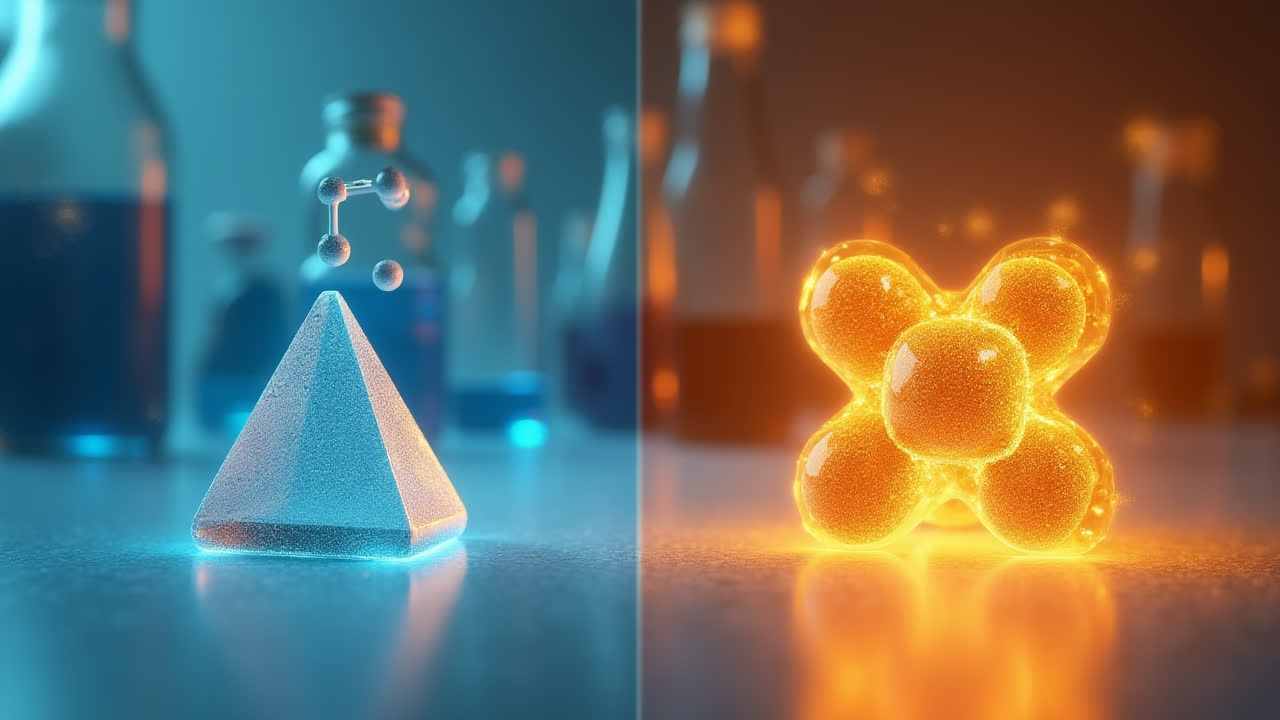
Think of plant stanols as the saturated cousins of plant sterols. They're basically hydrogenated versions of sterols, which means they've gone through a process similar to what happens when liquid vegetable oils become solid margarine. This hydrogenation process gives them a slightly different molecular structure—specifically, they have a saturated bond between carbon atoms 5 and 6.
What's really interesting about plant stanols is their attachment of either a methyl or ethyl group to the molecule. This might sound like chemistry jargon, but it's actually crucial because it affects how well your intestines can absorb them. The neat thing is, their lower absorption rate is actually beneficial for cholesterol management. You can find these stanols naturally in small amounts in foods like:
- Fruits (especially citrus fruits)
- Vegetables (particularly leafy greens)
- Nuts and seeds
- Cereals and grains
- Vegetable oils
Understanding Plant Sterols
On the flip side, plant sterols are steroid alcohols that have a striking resemblance to human cholesterol. Some people call them phytosterols, which is just a fancy way of saying "plant sterols." The major players in this category include β-sitosterol, campesterol, and stigmasterol—names you might have seen on supplement labels.
Here's something cool: unrefined vegetable oils naturally contain about 0.1-0.5% plant sterols, but some special oils like rice bran, wheat germ, and oat oil pack a whopping 4% content. Most people consume around 200-400 mg of plant sterols daily through their regular diet, though vegetarians tend to get more since they eat more plant-based foods.
Unlike stanols, plant sterols have an unsaturated bond in their structure, which makes them more readily absorbed in the intestine. This might seem like a disadvantage at first—after all, wouldn't you want less absorption? But it turns out that even with higher absorption rates, plant sterols are still incredibly effective at blocking cholesterol absorption.
The Science Behind How They Work
Both compounds work on a pretty clever principle: they essentially compete with dietary cholesterol for absorption spots in your intestine. It's like a molecular game of musical chairs, where stanols and sterols grab the seats before cholesterol can sit down. This competition reduces the amount of cholesterol that enters your bloodstream, ultimately helping to lower your LDL (bad) cholesterol levels.
The key difference in their action? Plant stanols are like the strict bouncers at this molecular nightclub—they're harder to absorb themselves but excellent at keeping cholesterol out. Plant sterols, meanwhile, are more like friendly security guards—they get absorbed more easily but still do an effective job at limiting cholesterol entry.
Comparison Table: Plant Stanols vs Plant Sterols
| Feature | Plant Stanols | Plant Sterols |
|---|---|---|
| Molecular Structure | Saturated (hydrogenated) | Unsaturated |
| 5-6 Bond | Saturated bond | Unsaturated bond |
| Side Groups | Methyl or ethyl group | Alcohol group |
| Intestinal Absorption | Lower (more effective blocking) | Higher |
| Natural Sources | Fruits, vegetables, nuts, seeds | Vegetable oils, grains, legumes |
| Chemical Classification | Hydrogenated plant sterols | Steroid alcohols |
| Primary Function | Block cholesterol absorption | Block cholesterol absorption |
| Main Types | Campestanol, sitostanol | β-sitosterol, campesterol |
Which One Should You Choose?
Here's the million-dollar question: which is better for lowering cholesterol? The truth is, both are effective. Your choice might depend on factors like availability, cost, and how your body responds. I've talked to nutritionists who recommend starting with naturally occurring plant sterols through diet since they're more abundant in common foods.
However, if you're looking for supplements, plant stanols might give you a slight edge because they're less absorbed by your intestines—meaning more of them remain available to block cholesterol absorption. Some people find that fortified foods containing plant stanols work better for them, while others swear by sterol-enriched margarines.
Practical Tips for Incorporating Them
Whether you choose stanols or sterols, here are some practical ways to boost your intake:
- Add fortified margarines or spreads to your daily routine
- Look for enriched yogurts and milk products
- Choose vegetable oils rich in natural sterols
- Consider supplements if recommended by your healthcare provider
- Eat a variety of fruits, vegetables, nuts, and seeds
Just remember, these compounds work best as part of a heart-healthy diet and lifestyle. They're not magic bullets, but rather helpful tools in your cholesterol management toolkit.
The Bottom Line
The difference between plant stanols and plant sterols might seem technical, but understanding it can help you make better choices for your heart health. While both are effective at lowering cholesterol, stanols have the advantage of lower absorption, making them potentially more efficient at blocking dietary cholesterol.
Whatever you choose, the most important thing is consistency. Regular consumption of these plant compounds, whether through diet or supplements, can contribute to better cholesterol levels over time. Have you tried incorporating either of these into your daily routine? I'd be curious to hear about your experiences!
Frequently Asked Questions
Can plant stanols and sterols be taken together?
Yes, plant stanols and sterols can be taken together. While they have slightly different mechanisms of action, combining them doesn't pose any safety concerns. In fact, some studies suggest that using both might provide complementary benefits for cholesterol management. However, it's always best to consult with your healthcare provider before starting any new supplement regimen.
How much plant sterol or stanol should I take daily to lower cholesterol?
For effective cholesterol reduction, studies typically recommend 1-3 grams (1,000-3,000 mg) of plant sterols or stanols per day. Most health organizations suggest starting with 2 grams daily, which is often divided into two doses taken with meals. This amount has been shown to potentially reduce LDL cholesterol by 5-15%. However, individual responses can vary, so working with a healthcare provider to determine the right dosage for you is important.
Are there any side effects of taking plant stanols or sterols?
Generally, plant stanols and sterols are well-tolerated, but some people may experience mild digestive issues when first starting them. These can include nausea, indigestion, or diarrhea, especially at higher doses. Additionally, these compounds may slightly reduce the absorption of fat-soluble vitamins (A, D, E, and K). To minimize side effects, start with a lower dose and gradually increase it, always take them with meals, and consider supplementing with vitamins if you're taking high doses long-term.