Multimolecular vs Macromolecular Colloids: Key Differences Explained
Have you ever wondered what makes jelly jiggle or why milk appears white? The answer lies in the fascinating world of colloids. Multimolecular and macromolecular colloids represent two fundamental categories that help explain these everyday phenomena and countless industrial applications. While they might sound similar, these colloidal systems differ significantly in their formation, properties, and behavior.
Colloids are homogeneous mixtures where particles don't settle out over time, creating fascinating properties that bridge the gap between true solutions and suspensions. I've always been intrigued by how these microscopic systems influence everything from our food to pharmaceuticals and industrial processes. In this article, I'll break down the essential differences between these two types of colloids and why understanding them matters in both scientific research and practical applications.
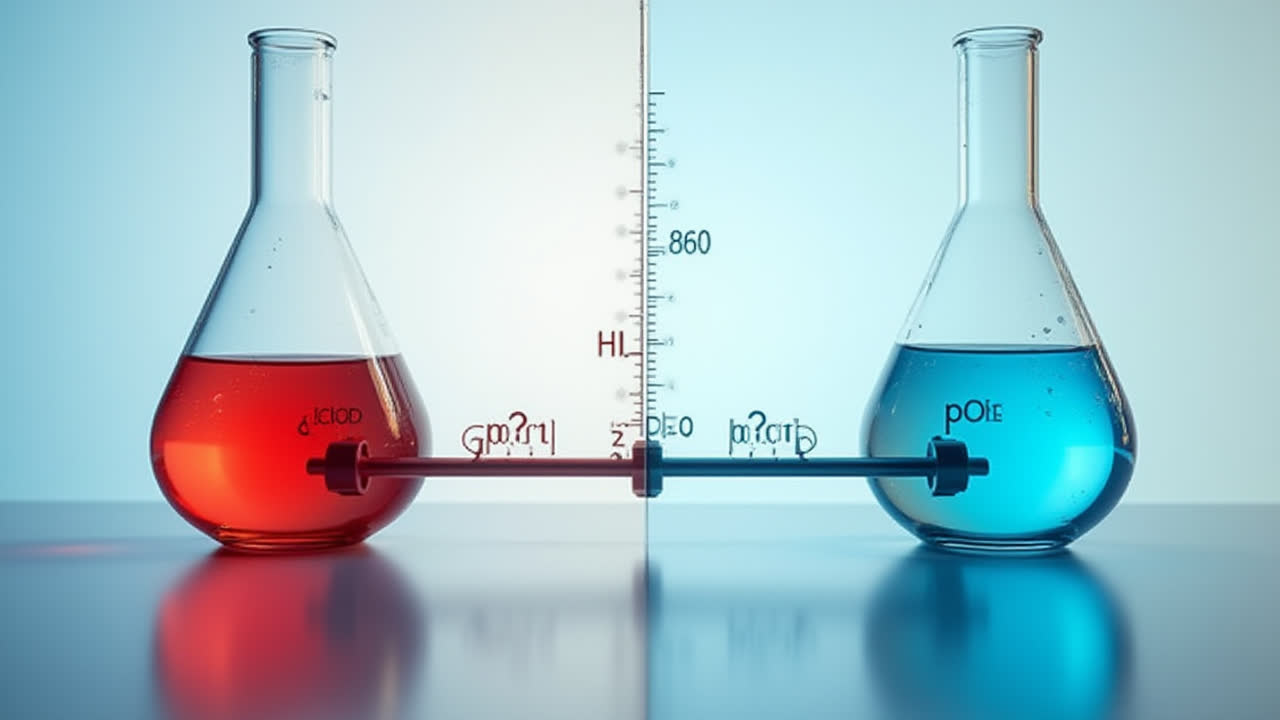
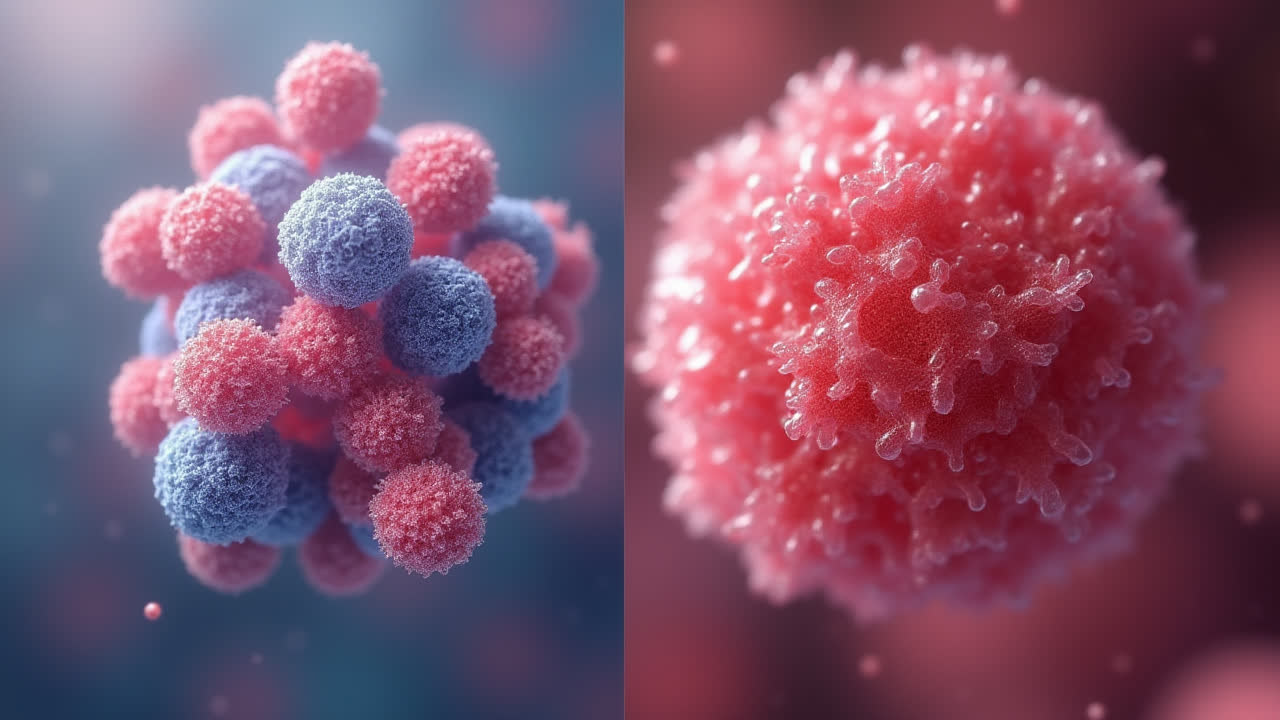
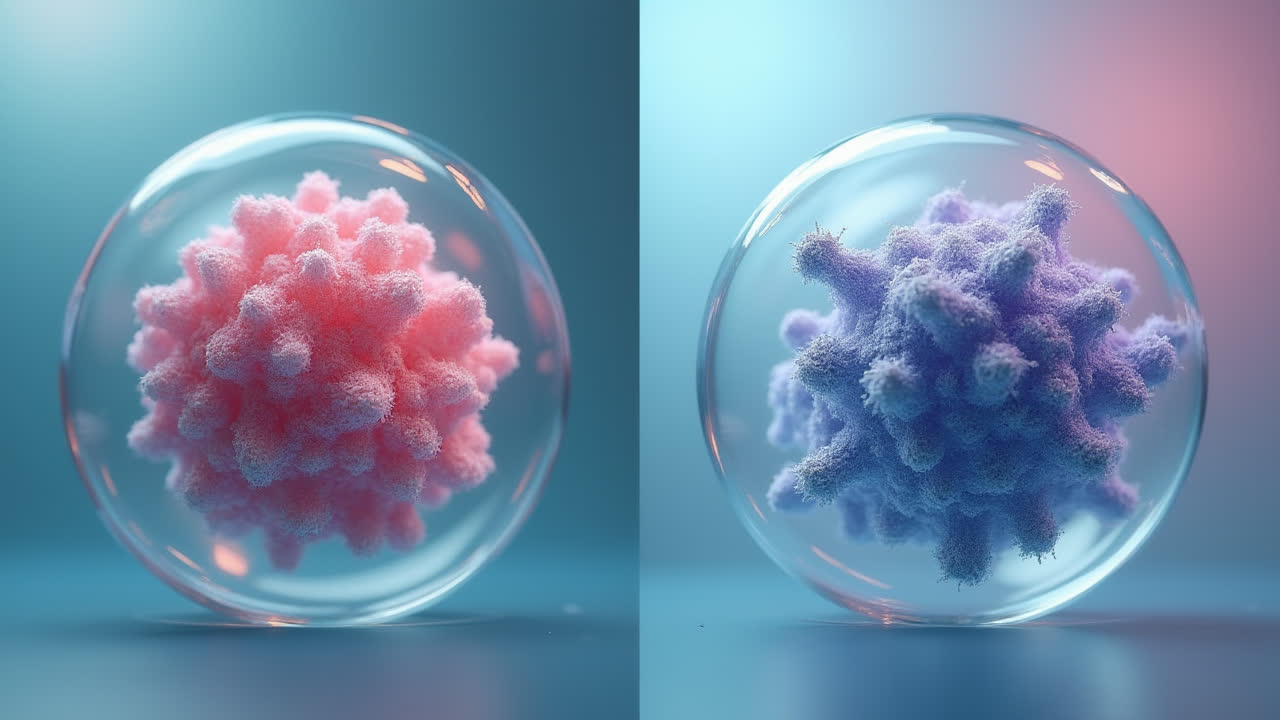
When we look at the colloidal world through a microscopic lens, the distinction between particle size and molecular structure becomes crucial. Multimolecular colloids form through the aggregation of smaller molecules, while macromolecular colloids consist of individual large molecules that naturally fall within the colloidal range. This fundamental difference influences everything from their stability to their interactions with surrounding media.
What Are Colloids? A Brief Introduction
Before diving into the specifics, let's understand what colloids actually are. Colloids represent a unique state of matter where particles of one substance (the dispersed phase) are distributed throughout another substance (the dispersion medium). Unlike solutions, where particles dissolve completely, or suspensions, where particles eventually settle, colloids maintain their dispersed state due to the size of their particles—typically ranging from 1 to 100 nanometers.
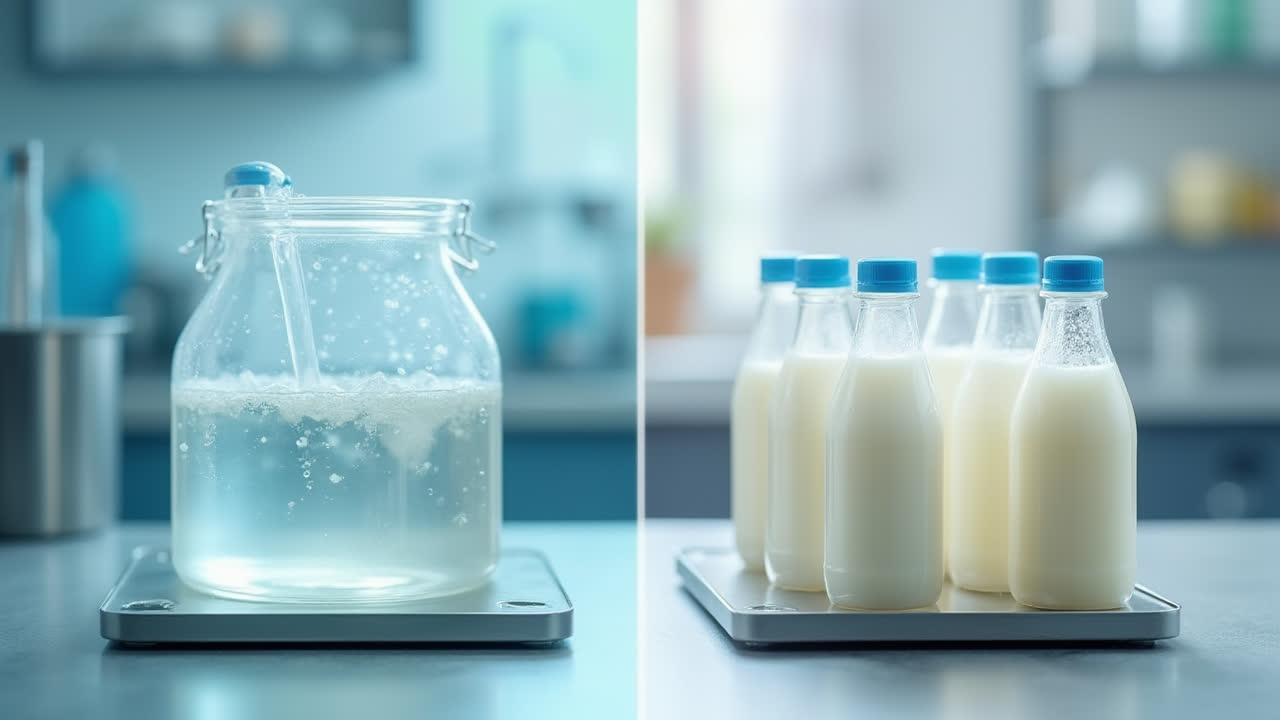
Colloids appear in countless forms in our daily lives. The milk in your coffee, the fog on a misty morning, and even the blood flowing through your veins are all examples of colloidal systems. Scientists classify colloids based on several parameters, including the physical states of the dispersed phase and dispersion medium (creating categories like sols, gels, emulsions, and foams), as well as by the nature of the particles themselves.
When categorizing colloids based on the type of particles present, we encounter three primary classifications: multimolecular colloids, macromolecular colloids, and micelles. While micelles form a fascinating topic on their own (primarily involving surfactants), today we're focusing on understanding the crucial differences between multimolecular and macromolecular varieties—differences that determine their stability, applications, and behaviors under various conditions.
Understanding Multimolecular Colloids
Multimolecular colloids represent systems where numerous small molecules or atoms aggregate together to form particles of colloidal dimensions. Think of them as tiny molecular gatherings, where individual participants (molecules with diameters less than 1 nm) join forces to create larger assemblies that can reach the colloidal range of approximately 100 nm. These small molecules inherently possess low molecular weights but achieve colloidal status through their collective arrangement.
The formation process of multimolecular colloids is particularly interesting. When added to a dispersion medium, the small molecules don't simply dissolve as they would in a true solution. Instead, they spontaneously form aggregates held together primarily by weak Van der Waals forces. This aggregation behavior creates particles large enough to scatter light—explaining why many multimolecular colloids appear cloudy or have the characteristic Tyndall effect when a beam of light passes through them.
One crucial characteristic of most multimolecular colloids is their lyophobic nature (solvent-fearing). This property means they have minimal attraction to the dispersion medium and therefore tend to be less stable than their macromolecular counterparts. Common examples include sulfur sol (composed of numerous S8 molecules clustered together), gold sol (aggregates of gold atoms), and various metal hydroxides like ferric hydroxide. These colloids often require stabilizing agents to prevent them from separating or coagulating over time.
Exploring Macromolecular Colloids
Unlike their multimolecular cousins, macromolecular colloids don't need to form aggregates to reach colloidal dimensions—they're already there! These systems consist of individual molecules that inherently possess high molecular weights and dimensions falling within the colloidal range (around 100 nm). Hence, they're aptly named macromolecules or polymers, reflecting their naturally large size and complex structure.
The formation of macromolecular colloids follows a much simpler path. When added to an appropriate solvent, these large molecules separate into individual particles that disperse throughout the medium, creating a colloidal solution without any aggregation required. I've observed that this fundamental difference in formation mechanism explains many of the contrasting properties between these two colloidal types. The dispersion process is often more straightforward and results in more stable systems.
A defining characteristic of most macromolecular colloids is their lyophilic nature (solvent-loving). This property creates strong attraction forces between the colloidal particles and the dispersion medium, contributing to greater stability. Natural macromolecular colloids include proteins, starch, cellulose, and many synthetic polymers like polyethylene. Consider how cornstarch mixed with water creates a fascinating substance that can behave as both a liquid and a solid under different conditions—this demonstrates the unique properties macromolecular colloids can exhibit.
Multimolecular vs Macromolecular Colloids: Comprehensive Comparison
Now that we've explored both types individually, let's directly compare multimolecular and macromolecular colloids across various parameters. This comparison highlights the fundamental differences that influence their behavior and applications:
| Comparison Factor | Multimolecular Colloids | Macromolecular Colloids |
|---|---|---|
| Definition | Particles formed by aggregation of smaller molecules when dissolved in a solvent | Individual large particles that are naturally within colloidal dimensions |
| Original Particle Size | Formed from particles having diameters less than 1 nm | Formed from particles already having diameters in colloidal range (~100 nm) |
| Molecular Weight | Composed of molecules with low molecular weights | Composed of molecules with high molecular weights |
| Formation Mechanism | Small molecules form aggregates in the dispersion medium | Large molecules separate into individual particles in the dispersion medium |
| Nature of Interaction | Typically lyophobic (solvent-fearing) | Typically lyophilic (solvent-loving) |
| Binding Forces | Aggregates held together by weak Van der Waals forces | Strong attraction forces between particles and dispersion medium |
| Stability | Generally less stable, may require stabilizing agents | Generally more stable due to solvent affinity |
| Common Examples | Sulfur sol, gold sol, ferric hydroxide | Proteins, starch, cellulose, synthetic polymers |
Practical Applications and Significance
Understanding the differences between multimolecular and macromolecular colloids isn't merely an academic exercise—it has profound practical implications across numerous industries. The unique properties of each type make them suitable for specific applications where their characteristics can be leveraged for particular benefits. Let me share some examples I've encountered in both research and everyday products.
Multimolecular colloids find extensive applications in areas where their particle size and lyophobic nature can be advantageous. In the medical field, gold sols (colloidal gold) are used in diagnostic tests like pregnancy kits and as carriers for drug delivery. Their optical properties make them valuable in specialized glasses and ceramics. Meanwhile, silver sols exhibit antimicrobial properties that make them useful in wound dressings and as disinfectants. The controlled aggregation behavior of multimolecular colloids also makes them suitable for applications in water treatment, where they can help remove contaminants through processes like coagulation.
Macromolecular colloids, with their inherent stability and lyophilic nature, dominate different application domains. The food industry relies heavily on these colloids—thickeners, stabilizers, and emulsifiers in products ranging from ice cream to salad dressings often involve macromolecular colloids like starch or protein. In pharmaceuticals, they serve as drug carriers and controlled-release agents. The cosmetics industry incorporates them into creams, lotions, and gels to achieve desired textures and stability. Additionally, many industrial processes, from paper manufacturing to textile production, depend on the unique properties of macromolecular colloids to achieve specific material characteristics.
The difference in stability between these colloidal types directly influences their handling, storage, and processing requirements. Multimolecular colloids often require more careful handling and may need stabilizing agents to maintain their colloidal state, while macromolecular colloids generally offer greater robustness. By understanding these fundamental differences, scientists and engineers can select the appropriate colloidal system for specific applications and anticipate how they might behave under various environmental conditions.
Frequently Asked Questions
What causes the different stability levels between multimolecular and macromolecular colloids?
The difference in stability primarily stems from their interaction with the dispersion medium. Macromolecular colloids exhibit higher stability due to their lyophilic (solvent-loving) nature, creating strong attraction forces between particles and the surrounding medium. These strong interactions prevent the particles from coming together and coagulating. In contrast, multimolecular colloids are typically lyophobic (solvent-fearing) with minimal attraction to the dispersion medium, making them more prone to aggregation and precipitation. Additionally, the binding forces holding multimolecular colloids together (weak Van der Waals forces) are more easily disrupted by environmental factors like temperature changes or electrolyte additions, further contributing to their lower stability compared to macromolecular systems.
Can a substance form both multimolecular and macromolecular colloids?
While most substances tend to form either multimolecular or macromolecular colloids based on their molecular weight and structure, some materials can indeed exhibit both behaviors depending on conditions. Certain proteins, for example, can exist as individual macromolecules (forming macromolecular colloids) under certain pH and temperature conditions, but may aggregate to form multimolecular colloids when these conditions change. Similarly, some synthetic polymers can behave differently based on the solvent used, temperature, or concentration. This dual behavior is particularly interesting in pharmaceutical formulations and food science, where controlling the transition between these colloidal states can help achieve specific product characteristics or delivery mechanisms.
How do scientists manipulate colloidal properties for specific applications?
Scientists employ various techniques to modify and control colloidal properties for targeted applications. For multimolecular colloids, stabilization often involves adding protective agents like gelatin or surfactants that adsorb onto particle surfaces, preventing them from coming too close and aggregating. Adjusting the pH or ionic strength of the dispersion medium can also alter surface charges on particles, influencing their interaction. With macromolecular colloids, molecular weight modification through controlled polymerization or depolymerization helps achieve desired properties. Cross-linking techniques can alter solubility and swelling behavior, while chemical modifications can change the hydrophilic-hydrophobic balance. Temperature, pressure, and solvent selection serve as additional tools to fine-tune colloidal characteristics for applications ranging from drug delivery systems to advanced materials with specific mechanical or optical properties.
Conclusion
The distinction between multimolecular and macromolecular colloids goes far beyond academic classification—it fundamentally influences how these systems behave in countless applications across industries. The key difference lies in their formation and molecular composition: multimolecular colloids arise from the aggregation of smaller molecules with low molecular weights, while macromolecular colloids consist of individual molecules that already possess high molecular weights and colloidal dimensions.
This fundamental difference cascades into contrasting properties: multimolecular colloids typically exhibit lyophobic behavior with weaker stability held together by Van der Waals forces, while macromolecular colloids show lyophilic characteristics with stronger attraction to the dispersion medium and greater overall stability. Understanding these differences enables scientists and engineers to select the appropriate colloidal system for specific applications, from pharmaceuticals and food products to advanced materials and industrial processes.
As research in colloidal science continues to advance, we're likely to see even more sophisticated applications that leverage the unique properties of both multimolecular and macromolecular colloids. The next time you encounter everyday items like milk, jelly, or cornstarch mixtures, you'll have a deeper appreciation for the complex colloidal systems that give them their characteristic properties. The invisible world of colloids truly shapes our visible world in countless fascinating ways.
References:
- http://www.askiitians.com/iit-jee-chemistry/physical-chemistry/classif
- https://byjus.com/chemistry/classification-of-colloids/
- http://www.askiitians.com/forums/Organic-Chemistry/what-is-the-differe
- https://commons.wikimedia.org/w/index.php?curid=36973666
- https://commons.wikimedia.org/w/index.php?curid=17068289