Macronutrients vs Micronutrients: Essential Guide to Optimal Health

What Are Macronutrients? The Big Three of Nutrition
I remember when I first started learning about nutrition - the term "macros" seemed to be everywhere in fitness circles, but what exactly are they? Macronutrients are nutrients that our bodies require in large amounts to function properly. Think of them as the foundation of your nutritional house - they provide the structural support and energy that keeps everything running.
The primary macronutrients include carbohydrates, proteins, and fats. These powerhouse nutrients contribute to the bulk of our food and provide us with the energy we need for daily activities. Carbohydrates and proteins deliver about 4 calories per gram, while fats pack a more concentrated energy punch at 9 calories per gram. Some nutritionists also include water as a macronutrient since we need it in large quantities, though it doesn't provide energy.
Each macronutrient serves multiple essential roles beyond just providing energy. Carbohydrates, for instance, store energy as starch and glycogen, serve as structural components in plants, and form part of important coenzymes like ATP and NAD. They even contribute to the backbone of our genetic material - DNA and RNA! Proteins, meanwhile, are crucial for muscle development and tissue repair, while fats help store vitamins and support healthy cell function.
I've noticed that sometimes people talk about "good" and "bad" macronutrients, but it's much more nuanced than that. For example, the type of fat matters tremendously - monounsaturated and polyunsaturated fats tend to promote health, while excessive saturated fats might contribute to cardiovascular issues. It's all about balance and quality, rather than demonizing entire categories.
Sources of Macronutrients: Where to Find Your Fuel
When I'm planning my meals, I try to include a variety of macronutrient sources to ensure I'm getting all the nutrition I need. Carbohydrates are abundant in foods like cereals (rice, wheat, barley), potatoes, and yams. These foods have been dietary staples across cultures for thousands of years, and for good reason - they provide sustainable energy that fuels our day-to-day activities.
For proteins, I turn to sources like legumes, meat, fish, and nuts. These foods help support muscle growth and repair, which is especially important if you're physically active. I've found that mixing plant and animal protein sources gives me the best range of amino acids, the building blocks of protein.
Healthy fats can be found in foods like olive oil, avocados, nuts, and fatty fish. These aren't just energy sources - they play crucial roles in hormone production, brain health, and even mood regulation. I used to avoid fats when trying to eat healthily, but now I know they're an essential part of a balanced diet. The key is choosing the right types and amounts.
What Are Micronutrients? Small but Mighty
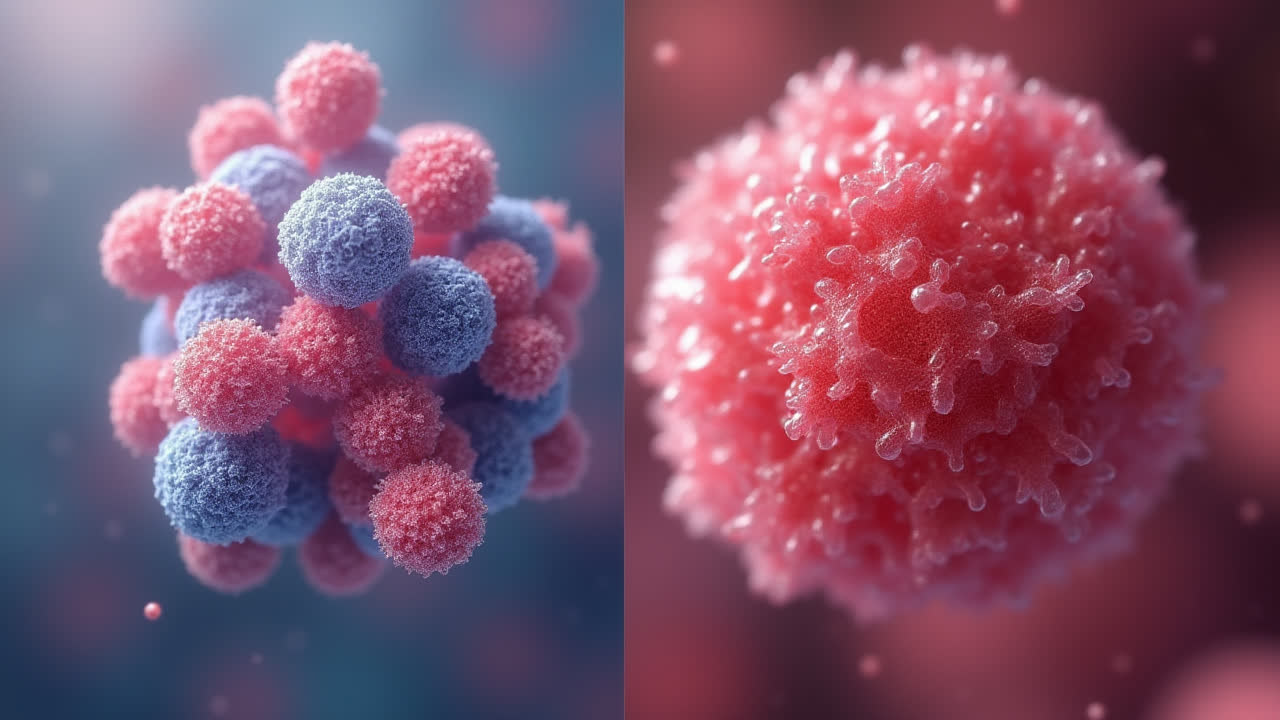
If macronutrients are the foundation of nutrition, micronutrients are the specialized workers that keep everything functioning properly. These are nutrients needed in smaller quantities but are absolutely vital for health. Without them, the entire system breaks down, even if you're getting plenty of macronutrients.
Micronutrients include vitamins, minerals, phytochemicals, and antioxidants. They don't provide energy directly, but they act as cofactors for metabolism and are essential for countless bodily functions. Think of them as the catalysts that allow your body to effectively use the macronutrients you consume.
Key micronutrients include vitamins like A, C, D, E, and the B complex, along with minerals such as iron, calcium, zinc, and magnesium. Each plays specific roles - vitamin A maintains vision, iron helps form hemoglobin in blood, calcium builds strong bones, and so on. What fascinates me is how these tiny nutrients can have such profound effects on our health when they're missing from our diet.
I've personally experienced the difference proper micronutrient intake can make. Years ago, when I was eating mostly processed foods, I felt constantly tired despite getting enough calories. After incorporating more micronutrient-rich foods, my energy levels improved dramatically. It's a powerful reminder that nutrition isn't just about quantity - quality matters tremendously.
Sources of Micronutrients: Nature's Pharmacy
Unlike macronutrients, which can be found in many foods, micronutrients often have more specific sources. Fruits and vegetables are micronutrient powerhouses, especially colorful ones. The vibrant pigments in foods like berries, leafy greens, and orange vegetables often indicate the presence of beneficial phytochemicals and antioxidants.
Eggs and dairy products contribute important vitamins and minerals like vitamin D, calcium, and B vitamins. Fermented foods, which I've been incorporating more into my diet lately, provide beneficial bacteria along with enhanced vitamin content. I've noticed that traditional food preparation methods often enhance micronutrient availability - for instance, sprouting grains increases their vitamin content.
One interesting thing I've learned is that soil quality directly affects the micronutrient content of plant foods. Modern agricultural practices have sometimes led to less nutrient-dense produce, which is why focusing on quality food sources is so important. Organically grown fruits and vegetables sometimes contain higher levels of certain micronutrients, though research in this area is still evolving.
Comprehensive Comparison: Macronutrients vs Micronutrients
| Feature | Macronutrients | Micronutrients |
|---|---|---|
| Quantity Required | Large amounts (grams) | Small amounts (milligrams or micrograms) |
| Primary Function | Provide energy and structural components | Support metabolism and bodily functions |
| Examples | Carbohydrates, proteins, fats, water | Vitamins, minerals, phytochemicals, antioxidants |
| Energy Provision | Primary energy sources (4-9 kcal/g) | Do not provide energy directly |
| Food Sources | Cereals, legumes, meat, fish, nuts, oils | Fruits, vegetables, eggs, dairy, fermented foods |
| Deficiency Effects | Protein-energy malnutrition, kwashiorkor, marasmus | Specific diseases (scurvy, anemia, goiter, etc.) |
| Excess Effects | Obesity, type 2 diabetes, cardiovascular disease | Toxicity, organ damage (especially with fat-soluble vitamins) |
| Daily Requirement Example | Carbs: 55-75% of total energy | Vitamin C: 75 mg |
Balancing Macronutrients and Micronutrients for Optimal Health
Finding the right balance of both macro and micronutrients is key to overall health. I've come to think of it as a symphony where every musician plays an important role - if one section is missing or too dominant, the whole performance suffers. The same is true for nutrition.
For most adults, the recommended macronutrient distribution is approximately 45-65% of calories from carbohydrates, 10-35% from protein, and 20-35% from fats. However, these ranges can vary based on individual needs, activity levels, and health conditions. I've found that paying attention to how different macronutrient ratios make me feel has helped me find my personal sweet spot.
For micronutrients, recommendations are specific to each vitamin and mineral. For example, adults typically need about 75-90 mg of vitamin C, 18 mg of iron (for women), and 1000 mg of calcium daily. Meeting these needs through a varied diet is ideal, though supplements may be necessary in some cases.
One approach I've found helpful is to focus on nutrient density - choosing foods that provide the most micronutrients per calorie. This naturally leads to a diet rich in whole foods like fruits, vegetables, lean proteins, and healthy fats. It's also why highly processed foods, which often provide macronutrients (especially carbs and fats) without much micronutrient content, can lead to what some nutritionists call "overfed but undernourished" populations.
Frequently Asked Questions
Can I get all the micronutrients I need from a macronutrient-focused diet?
Not necessarily. While focusing on quality protein, complex carbohydrates, and healthy fats is important, you still need to ensure variety within these categories. For example, eating only chicken breast and white rice would provide protein and carbs but miss many essential vitamins and minerals. That's why even when tracking macros, it's crucial to include diverse food sources, especially colorful fruits and vegetables, to obtain the full spectrum of micronutrients. In some cases, even with a varied diet, certain micronutrients like vitamin D or B12 might need supplementation depending on your geographical location, dietary restrictions, or individual health conditions.
How do cooking methods affect macro and micronutrients in food?
Cooking methods significantly impact both macronutrients and micronutrients, but in different ways. Macronutrients are generally more stable during cooking, though some changes occur - proteins can become more digestible, fats might oxidize at high temperatures, and some carbohydrates break down into simpler forms. Micronutrients, especially water-soluble vitamins like C and B vitamins, are more vulnerable to cooking losses through heat degradation and leaching into cooking water. Methods like steaming, quick stir-frying, and pressure cooking tend to preserve more nutrients than boiling or long-duration cooking. Interestingly, some nutrients actually become more bioavailable after cooking - for instance, the lycopene in tomatoes and beta-carotene in carrots are often better absorbed from cooked versions.
Do macronutrient and micronutrient needs change as we age?
Yes, our nutritional needs evolve throughout our lifespan. As children and adolescents, we need proportionally more protein and certain micronutrients to support growth and development. During adulthood, requirements stabilize but may need adjustment based on activity levels, pregnancy, or breastfeeding. As we enter older age, total calorie needs typically decrease (requiring less total macronutrients), but protein requirements may increase to prevent muscle loss. For micronutrients, older adults often need more calcium and vitamin D for bone health, vitamin B12 due to decreased absorption efficiency, and sometimes additional antioxidants to combat age-related cellular damage. Monitoring nutritional status becomes increasingly important with age, as both nutrient absorption and the body's ability to signal deficiencies may decline.
Conclusion: The Symbiotic Relationship of Nutrients
When I step back and look at the big picture of nutrition, what strikes me most is how interdependent macronutrients and micronutrients truly are. It's not about which category is more important - they work together in a delicate balance to support our health. Macronutrients provide the energy and building blocks, while micronutrients ensure that energy is properly utilized and that our bodily processes run smoothly.
The quality and quantity of both nutrient types matter tremendously. A diet can be calorically adequate but nutritionally poor if it lacks essential micronutrients. Conversely, all the vitamins and minerals in the world won't help if you're not getting sufficient macronutrients to meet your energy needs.
Perhaps the most practical takeaway is to focus on whole, minimally processed foods that naturally provide a spectrum of both macro and micronutrients. By eating a varied diet rich in fruits, vegetables, whole grains, lean proteins, and healthy fats, you're giving your body the tools it needs to thrive. And isn't that what nutrition is really all about?