Lipstick vs Lip Balm: The Ultimate Guide to Perfect Lips
Have you ever wondered about the real differences between lipstick and lip balm? While both products find their home in our makeup bags and pockets, they serve distinctly different purposes in our beauty routines. The world of lip products can be overwhelming, with countless options lining store shelves, each promising perfect pouts and long-lasting color.
I've spent years experimenting with different lip products, and I've found that understanding the key differences between lipsticks and lip balms is essential for achieving both healthy and beautiful lips. Let's dive into what makes these two cosmetic staples unique and how to choose the right one for your needs.
What Is Lipstick? More Than Just Color
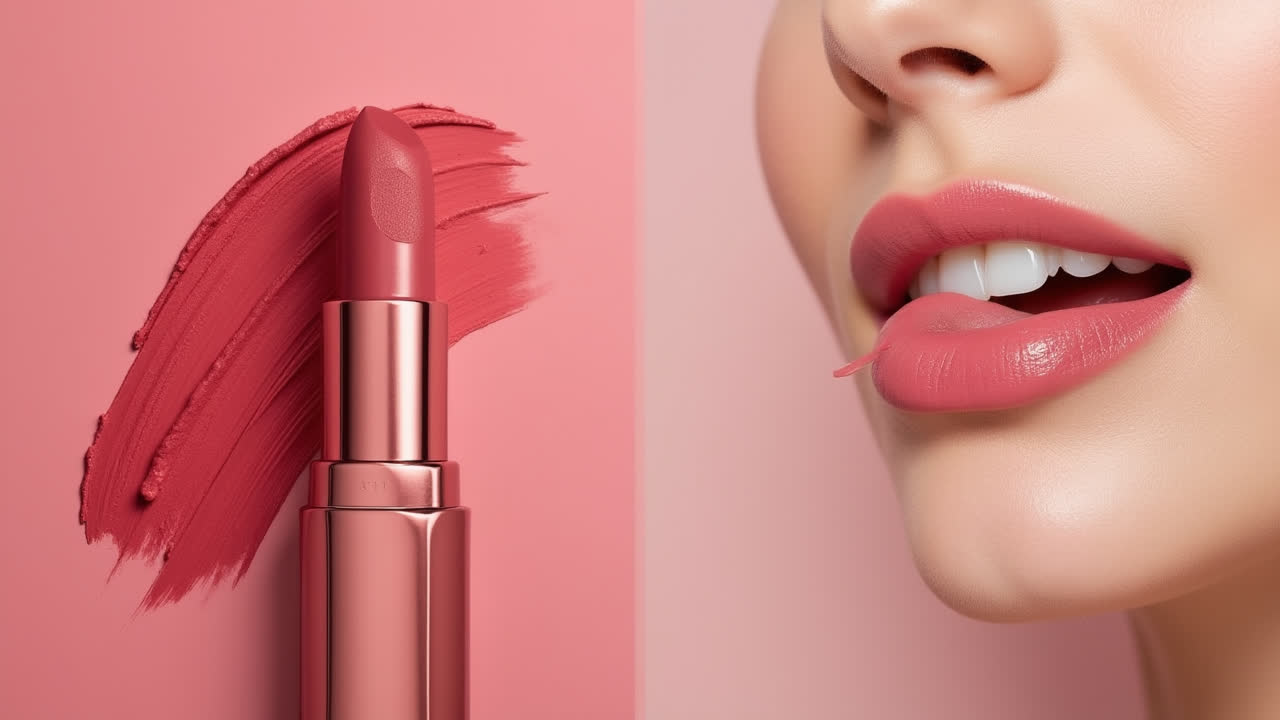
Lipstick is an oil-based cosmetic product with crayon-like properties that women (and increasingly men) use to add color, texture, and some protection to the lips. Dating back to ancient Mesopotamia, lipstick represents one of the oldest forms of cosmetics in human history. I'm always fascinated by how something so simple has remained a beauty essential for thousands of years!
The magic of lipstick lies in its ingredients. Modern formulations typically contain oils, antioxidants, beeswax, pigments, camphor, paraffin, petrolatum, acetyl, and alcohol. The manufacturing process involves mixing, grinding, and heating these ingredients together before pouring the hot mixture into metal molds to create the iconic lipstick shape we all recognize.
Lipsticks come in various eye-catching colors and finishes. While red and pink shades dominate the market (with red being the most famous lipstick shade of all time), today's options are virtually limitless. I remember when finding anything beyond red or pink was a challenge – now the color spectrum available is mind-boggling! The variety extends to different types too, including:
- Glossy lipsticks for a shiny finish
- Sheer/satin lipsticks for a natural look
- Creamy lipsticks for comfortable wear
- Matte lipsticks for long-lasting color without shine
- Frosted/metallic lipsticks for a shimmer effect
- Liquid lipsticks for intense pigmentation
- Waterproof lipsticks for all-day wear
Many lipsticks also feature delightful flavors like mint, chocolate, caramel, and strawberry, adding another sensory dimension to the experience. Despite their popularity, lipsticks do have some potential downsides, such as causing lip darkening or dryness over time. Some cheaper products might contain harmful ingredients that could trigger allergic reactions – something I learned the hard way after a particularly uncomfortable reaction to a bargain brand!
What Is Lip Balm? The Ultimate Lip Protector
Lip balm is a soft, emollient product designed primarily to moisturize, soften, and protect lips. Unlike lipstick's focus on color, lip balms prioritize keeping lips safe from environmental damage caused by sun and wind exposure. They help maintain hydration and prevent irritation and cracking, making them essential for lip health maintenance.
Invented in the 1880s by Charles Browne Fleet, lip balms typically contain ingredients like menthol, phenol, sunscreen, fragrances, and flavors such as chocolate, fruit, or mint. Though primarily functional, many modern lip balms come in various shades, providing a subtle glow or shiny look. People use them for multiple purposes:
- Protection from environmental elements
- Nourishment of dry, chapped lips
- UV protection when containing SPF
- Hydration for lips in dry climates
- Medication delivery for healing cracked lips
- Subtle cosmetic enhancement for a natural look
I keep lip balms everywhere – in my purse, car, bedside table, and desk drawer. There's something deeply satisfying about applying a soothing balm to dry lips! However, like lipsticks, lip balms can have their drawbacks. Some users report experiencing increased dryness over time, developing a dependency on the product, experiencing allergic reactions, or noticing changes to the natural color and shine of their lips with prolonged use.
Key Differences: Lipstick vs Lip Balm Compared
While both products focus on our lips, the differences between lipstick and lip balm go far beyond their appearance in your makeup bag. Understanding these distinctions helps us choose the right product for specific situations and needs. The comparison table below highlights the major differences between these two lip essentials:
| Feature | Lipstick | Lip Balm |
|---|---|---|
| Primary Purpose | Cosmetic enhancement and color | Hydration, protection, and healing |
| Appearance | Vibrant colors and multiple finishes | Usually clear or subtle tint |
| Formulation | Oil-based with waxes and pigments | Emollient-based with moisturizers |
| Pigmentation | High pigmentation | Low to no pigmentation |
| Effect on Lips | Can be drying over time | Hydrating and nourishing |
| Application Complexity | More precise application needed | Simple and quick to apply |
| Price Range | Generally more expensive | Usually more affordable |
| Typical Occasions | Special events, professional settings | Everyday use, outdoor activities |
One major difference I've noticed in my own routine is how these products function in sequence. Many makeup artists recommend applying lip balm before lipstick to create a smooth, hydrated base. This combination approach offers both the hydrating benefits of balm and the colorful enhancement of lipstick.
When to Choose Lipstick vs Lip Balm
Choosing between lipstick and lip balm isn't always an either/or decision – sometimes it depends on the situation, your lip condition, and your desired look. Based on my experience and beauty research, here are some guidelines for when each product shines:
Best Times for Lipstick
Lipstick creates a polished, finished look that elevates your entire appearance. It's ideal for professional environments, special occasions, photoshoots, and anytime you want your lips to make a statement. I always reach for a bold red lipstick when I need a confidence boost before an important meeting!
The transformative power of lipstick can't be understated – a simple swipe can brighten your face and complement your outfit. However, if your lips are already dry, cracked, or peeling, applying lipstick directly might emphasize these issues and potentially worsen them.
Best Times for Lip Balm
Lip balm is your go-to product during harsh weather conditions, after sun exposure, when your lips feel dry or chapped, and for everyday maintenance. It's perfect for a natural, no-makeup look or as a base layer before applying lipstick.
I've found lip balm to be essential during winter months and in air-conditioned environments that tend to dehydrate the skin. It's also my preferred choice for outdoor activities like hiking or beach days when protection is more important than appearance. Sometimes the most loving thing you can do for your lips is to skip the color altogether and focus on nourishment.
The Perfect Lip Care Routine
For truly healthy and beautiful lips, consider implementing a comprehensive lip care routine that incorporates both products strategically. Having experimented with countless approaches over the years, I've settled on this effective routine:
- Exfoliate: Once or twice weekly, gently exfoliate lips with a sugar scrub to remove dead skin cells.
- Hydrate: Apply a hydrating lip balm as part of your morning and evening skincare routines.
- Prime: Before applying lipstick, use a thin layer of lip balm as a primer (allow it to absorb for a few minutes).
- Color: Apply your chosen lipstick, building coverage as desired.
- Maintain: Carry both your lipstick and a lip balm for touch-ups throughout the day.
- Remove: Use a gentle makeup remover specifically designed for lips at day's end.
- Overnight treatment: Apply a rich lip balm before bed for overnight repair.
This approach ensures you get the best of both worlds – the aesthetic benefits of lipstick with the nourishing protection of lip balm. Your lips will thank you for this balanced approach to beauty and care!
Frequently Asked Questions
Can I wear lipstick and lip balm together?
Yes, you absolutely can and often should! Applying lip balm before lipstick creates a smooth base and helps prevent the lipstick from drying out your lips. Allow the balm to absorb for a few minutes before applying your lipstick for best results. For extremely dry lips, you can also apply a thin layer of balm over matte lipstick to add moisture without completely disrupting the color.
Why do my lips get darker after using lipstick?
Lip darkening after lipstick use can occur for several reasons. Some lipsticks contain dyes that may temporarily stain the lips, especially darker or red shades. Additionally, some people experience a reaction to certain ingredients that can cause increased pigmentation over time. To prevent this, always remove lipstick completely at the end of the day, use a lip primer before application, and give your lips "makeup breaks" by going without lipstick for a few days each week while focusing on lip care with hydrating balms.
Can lip balm replace lipstick for daily wear?
Tinted lip balms can be an excellent alternative to lipstick for daily wear, especially if you prefer a natural look or if your lips need extra care. These hybrid products provide the moisturizing benefits of balm with a hint of color. They're perfect for casual settings, workout sessions, or days when you want minimal makeup. However, they typically won't provide the color intensity or staying power of traditional lipstick, so they may not be suitable for formal occasions or when you want a bold lip look.
The Bottom Line: Different Products for Different Needs
The fundamental difference between lipstick and lip balm lies in their primary functions: lipsticks are cosmetic products designed to add color and enhance appearance, while lip balms are care products focused on protecting, hydrating, and nourishing the lips.
Rather than choosing between them, consider how they can work together in your beauty routine. The ideal approach often involves using lip balm as a foundation for lip health, with lipstick as an optional color enhancement for when you want to make a statement or complete a look.
Isn't it fascinating how these two seemingly simple products can make such a difference in both how our lips look and feel? By understanding their unique properties and using them strategically, you can enjoy both healthy lips and beautiful color. What's your preference – are you a lipstick lover, a balm enthusiast, or like me, a devoted fan of both?