Lignin vs Pectin: Key Differences and Functions in Plant Biology
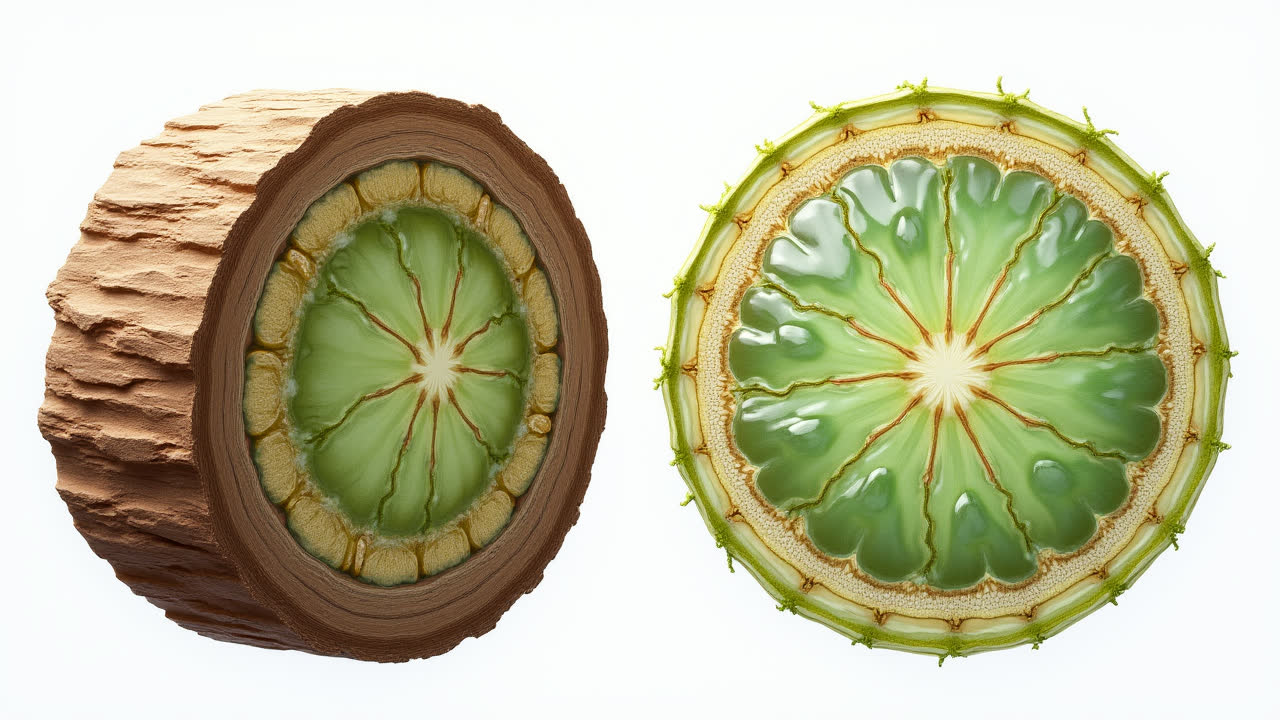
Plants contain numerous compounds that contribute to their structure, growth, and protection. Among these essential components, lignin and pectin play vital but distinctly different roles in plant biology. While both are found in plant cell walls, they differ significantly in their chemical composition, physical properties, and biological functions.
Have you ever wondered why woody plants can grow so tall without collapsing, or why fruits change texture as they ripen? The answers lie in understanding these two remarkable plant compounds. Let's dive into the fascinating world of plant biochemistry to explore what makes lignin and pectin unique and how they contribute to plant life and human applications.
What is Lignin?
Lignin is a complex polymer primarily found in the cell walls of vascular plants, especially in woody tissues. Its structure consists of various phenolic compounds linked together through different types of chemical bonds, including ether and carbon-carbon linkages. This intricate molecular architecture gives lignin its distinctive properties.
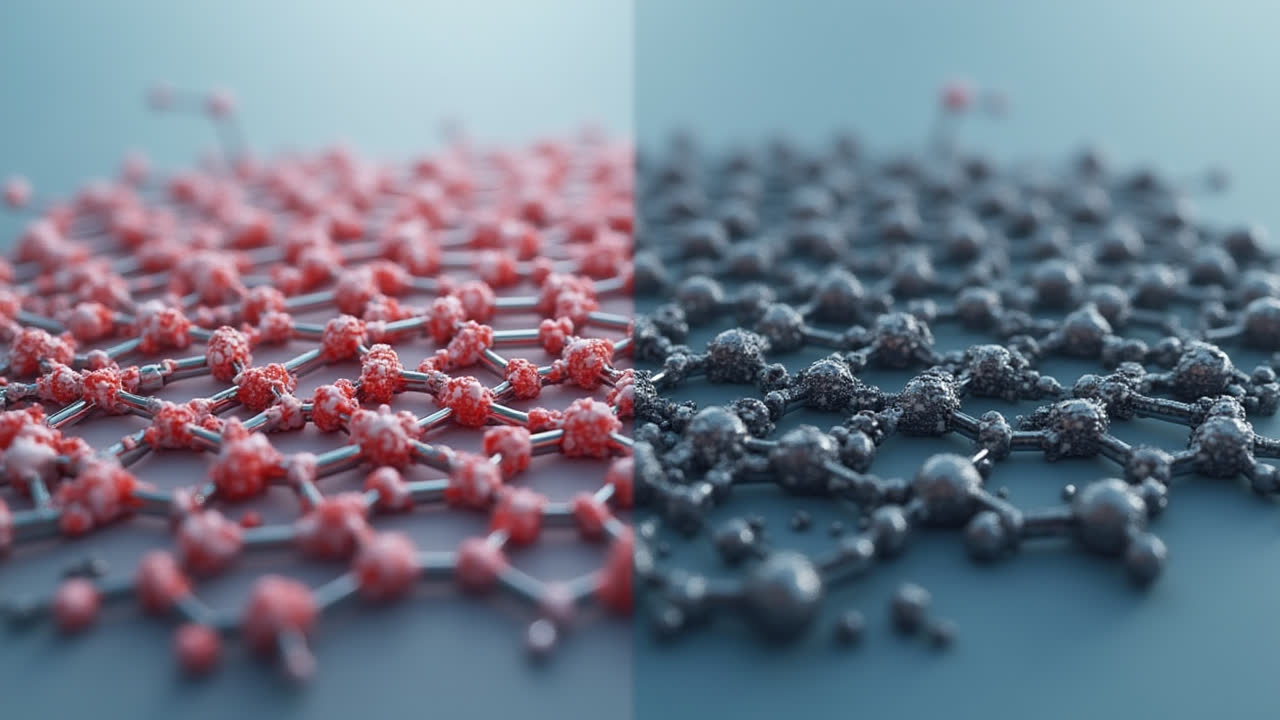
One of lignin's most defining characteristics is its hydrophobic nature, which means it repels water. This property makes lignin incredibly resistant to water and decay, serving as a critical protective component in plant cell walls. It functions as a natural adhesive, effectively binding cellulose fibers, hemicellulose, and other cell wall components together to create a strong structural framework.
Lignin contributes significantly to the formation of vascular tissues like the xylem, enhancing the rigidity and impermeability of cell walls. This is crucial for efficient water transport from roots to leaves. Without lignin, plants would struggle to maintain hydration and would be much more susceptible to wilting under environmental stressors.
Beyond providing structural support, lignin also acts as a defense mechanism against pathogens such as bacteria and fungi. Its hydrophobic properties create an effective barrier that prevents these microorganisms from penetrating plant tissues and causing diseases. Additionally, lignin helps protect plants from environmental challenges like ultraviolet (UV) radiation and mechanical damage, contributing to the overall resilience of plant structures.
What is Pectin?
Pectin is a complex polysaccharide found primarily in the middle lamella and primary cell walls of plants. Unlike lignin, pectin consists of long chains of galacturonic acid units connected by glycosidic bonds. While its primary structure is relatively simple, pectin can feature various side chains, including methyl ester groups and neutral sugars like rhamnose, galactose, and arabinose, which contribute to its diverse structural variations.
In contrast to lignin's hydrophobic nature, pectin is hydrophilic, meaning it has a high affinity for water. This property allows pectin to form gels in the presence of water, sugar, and acid—a characteristic that makes it particularly valuable in food applications. The water-loving nature of pectin also plays a crucial role in regulating water uptake and retention in plant cells, which is essential for maintaining turgor pressure and overall structural integrity.
Pectin functions as a glue-like substance, holding adjacent plant cells together in the middle lamella. It contributes significantly to the texture and firmness of plant tissues, particularly in fruits. As fruits ripen, enzymes gradually break down pectin, resulting in the softening that we associate with ripening. This natural process is what transforms a hard, unripe fruit into a soft, juicy delight.
Beyond its structural roles, pectin can also act as a defense mechanism against pathogens. When plants come under attack, they can modify the pectin in their cell walls to reinforce the structure, creating a more formidable barrier against invading organisms. This adaptive response showcases the dynamic role that pectin plays in plant survival strategies.
Lignin vs Pectin: Comparison Table
| Characteristic | Lignin | Pectin |
|---|---|---|
| Chemical Composition | Complex polymer of phenolic compounds | Polysaccharide composed of galacturonic acid units |
| Water Affinity | Hydrophobic (water-repellent) | Hydrophilic (water-loving) |
| Location in Plants | Secondary cell walls, especially in woody tissues | Middle lamella and primary cell walls |
| Primary Function | Structural support and rigidity | Cell adhesion and regulation of tissue firmness |
| Common Plant Sources | Trees, shrubs, and other woody plants | Fruits (especially citrus peels and apples) |
| Industrial Applications | Paper manufacturing, biofuels, adhesives | Food thickening, pharmaceuticals, cosmetics |
| Biodegradability | Highly resistant to degradation | More easily biodegradable |
| Role in Plant Defense | Physical barrier against pathogens | Modifiable barrier that can be reinforced when threatened |
Applications and Importance
Industrial Applications of Lignin
Lignin's unique properties make it valuable in various industrial applications. In paper manufacturing, lignin must be removed from wood pulp to produce high-quality paper, but the extracted lignin can then be used as a renewable fuel source. Increasingly, researchers are exploring lignin's potential in developing sustainable biofuels and biodegradable plastics, addressing our need for eco-friendly alternatives to petroleum-based products.
The adhesive properties of lignin also make it useful in the production of various binding agents and resins. As industries seek more sustainable materials, lignin's abundance as a byproduct of paper manufacturing and bioethanol production positions it as an attractive resource for further development and application.
Commercial Uses of Pectin
Pectin has found its way into numerous commercial applications, with food production being perhaps its most well-known use. As a natural gelling agent, pectin is essential in making jams, jellies, and marmalades, providing the characteristic set that these preserves require. Food manufacturers also use pectin as a stabilizer and thickener in products like yogurts, fruit juices, and confectionery.
Beyond the food industry, pectin serves important functions in pharmaceuticals, where it's used as a binding agent in pills and as a drug delivery vehicle. Its natural origins make it an appealing ingredient in the growing market for natural medicinal products. In cosmetics, pectin contributes to the texture and feel of creams, lotions, and other skincare formulations.
Environmental applications of pectin are also emerging, with research showing its potential in removing heavy metals and other pollutants from wastewater through its adsorption properties. Additionally, the development of pectin-based biodegradable films offers promising alternatives to conventional plastic packaging, addressing growing concerns about plastic pollution.
Frequently Asked Questions About Lignin and Pectin
Why is lignin important for woody plants?
Lignin is crucial for woody plants because it provides the structural rigidity that allows trees and shrubs to grow tall without collapsing under their own weight. It reinforces cell walls, particularly in vascular tissues like xylem, enabling efficient water transport throughout the plant. Lignin's hydrophobic nature also makes plant tissues water-resistant and helps protect against pathogens and environmental stressors like UV radiation. Without lignin, trees could not achieve their impressive heights or longevity, as they would lack the necessary structural support and protective barriers.
How does pectin contribute to fruit ripening?
Pectin plays a central role in the fruit ripening process through changes in its structure and quantity. In unripe fruits, pectin exists in an insoluble form that provides firmness and structure. As fruits ripen, naturally occurring enzymes (particularly pectinase) break down the complex pectin molecules into simpler, more soluble forms. This enzymatic breakdown of pectin causes the characteristic softening of ripening fruits. The process is carefully regulated by the plant and can be influenced by various factors including temperature and the presence of ethylene, a plant hormone that accelerates ripening. This natural pectin modification is why an apple gradually transforms from crunchy to soft as it ripens.
Can humans digest lignin and pectin?
Humans have different digestive capabilities when it comes to lignin and pectin. Lignin is essentially indigestible to humans, as our digestive systems lack the necessary enzymes to break down its complex structure. It passes through our digestive tract largely unchanged and contributes to dietary fiber. Pectin, on the other hand, is a soluble fiber that humans can partially digest. While we can't break down all of its components completely, the beneficial bacteria in our gut can ferment pectin, producing short-chain fatty acids that support digestive health. This is why pectin-rich foods like apples and citrus fruits are often recommended as part of a healthy diet—they provide the soluble fiber that feeds our gut microbiome and contributes to overall digestive wellness.
Conclusion
The differences between lignin and pectin highlight the remarkable diversity of compounds that plants have evolved to serve specific functions. While lignin provides the structural foundation that allows plants to stand tall and resist environmental challenges, pectin offers flexibility and adaptability in cell structures, particularly in fruits and soft tissues.
Understanding these differences is not just academic—it has practical applications across various industries, from food production to pharmaceuticals and environmental remediation. As our knowledge of plant biochemistry continues to grow, so too will our ability to harness these natural compounds for innovative solutions to contemporary challenges.
The next time you enjoy the crunch of a fresh celery stalk or the softness of a ripe peach, take a moment to appreciate the complex biological compounds that make these experiences possible. From the lignin that gives woody plants their strength to the pectin that creates the perfect consistency in your favorite jam, these plant components are truly marvels of natural engineering.