Graphic Novel vs Comic: 7 Essential Differences You Should Know
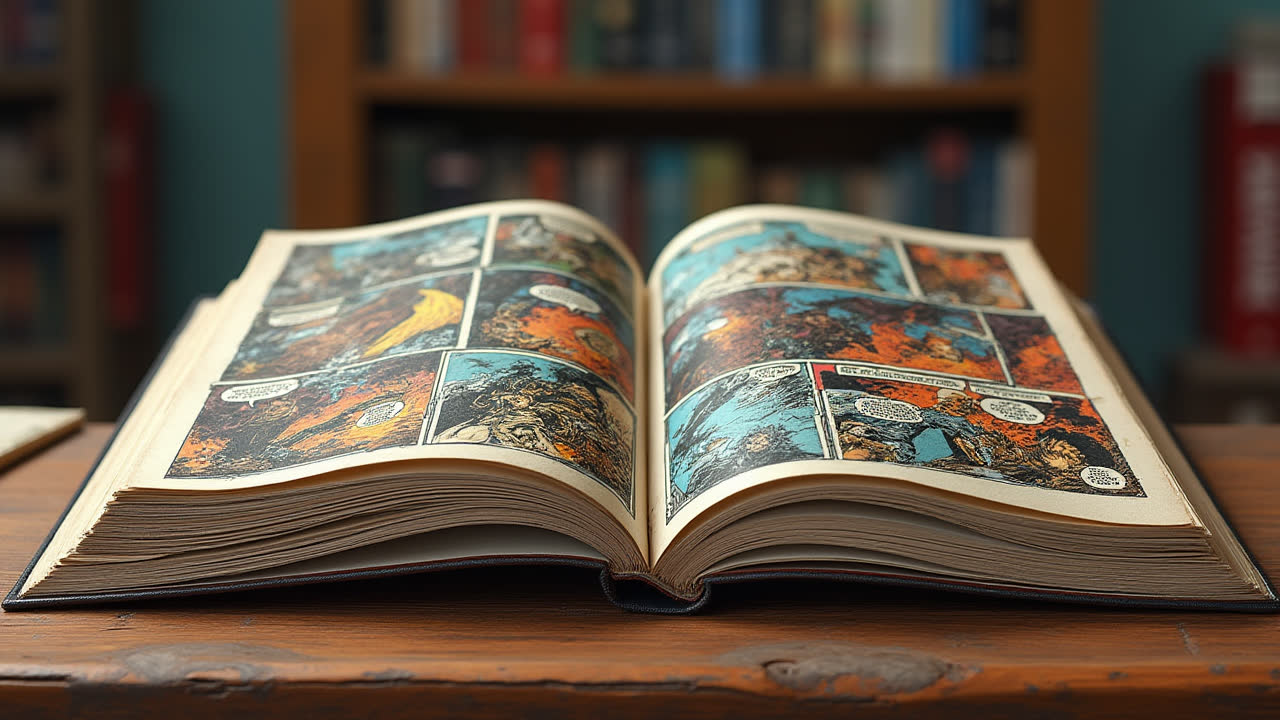
Have you ever picked up what you thought was a comic book only to hear someone call it a "graphic novel"? The confusion between graphic novels and comics is common, even among avid readers. While both use sequential art to tell stories, these two formats have distinct characteristics that set them apart. I've been collecting both for over a decade, and I still occasionally mix up the terms!
Understanding the visual storytelling mediums of comics and graphic novels helps appreciate their unique artistic merits and storytelling approaches. The main difference between graphic novel and comic is primarily in length and narrative structure, but there's so much more to explore. Let's dive into what makes each format special and how to tell them apart when browsing your local bookstore or comic shop.
What Exactly Is a Graphic Novel?
A graphic novel is essentially a book-length comic that presents a complete narrative from beginning to end. Think of it as a novel that uses sequential art and dialogue bubbles instead of just text. I remember my first graphic novel – "Maus" by Art Spiegelman – and being surprised at how different the experience was from reading traditional comics I'd grown up with.
These longer-format works typically feature complex storylines with well-developed characters, multi-layered plots, and thematic depth that rivals traditional literature. They're often bound like books with durable covers and spines, designed to sit on a bookshelf alongside other novels. Many graphic novels tackle serious subjects and themes, from historical events to deeply personal stories.
One thing I've noticed about graphic novels is their sense of completeness. When you finish reading one, you feel like you've experienced a full story arc – something with a clear beginning, middle, and end. This self-contained nature is part of what makes them appealing to readers who might be intimidated by the ongoing nature of traditional comic series. Some well-known examples include "Watchmen" by Alan Moore and Dave Gibbons, "Persepolis" by Marjane Satrapi, and "Fun Home" by Alison Bechdel.
The audience for graphic novels tends to skew older, often targeting adults or young adults with mature themes and complex storytelling. This doesn't mean they're always serious – plenty of graphic novels use humor and light-hearted approaches – but they generally aim for a more sophisticated reading experience than what you might find in a weekly comic.
Understanding Comics and Comic Books
Comics, on the other hand, typically refer to serialized publications that tell stories through sequential art panels combined with text elements like dialogue balloons, captions, and sound effects. The classic comic book that comes to mind for most people is the monthly superhero issue – those thin magazines featuring characters like Spider-Man or Batman that leave you hanging until the next installment.
What fascinates me about traditional comics is their episodic nature. They're usually published periodically (monthly or bi-monthly) and form part of larger ongoing narratives that can span years or even decades. This serialized approach creates a different reading experience – one built on anticipation and continued storylines. I still remember waiting anxiously each month for the next issue of X-Men to hit the shelves of my local comic shop!
Comics tend to be shorter than graphic novels, typically running 20-32 pages per issue. They're printed on less expensive paper with softer covers and often contain advertisements throughout. The storytelling frequently employs cliffhangers to keep readers coming back for the next installment, creating narrative arcs that span multiple issues.
The audience for comics has traditionally been younger readers, though that demographic has expanded significantly over the years. Many comics embrace colorful, dynamic art styles and action-oriented storytelling that appeals to a wide age range. Publishers like Marvel Comics, DC Comics, and Image Comics dominate the American comic market, while manga (Japanese comics) represents another huge segment of the global comics industry.
Key Differences Between Graphic Novels and Comics
When comparing visual narrative formats, several key distinctions help define the boundary between graphic novels and comics. Understanding these differences can help you navigate bookstores and libraries with greater confidence. Here's a detailed breakdown of how these two formats differ:
| Feature | Graphic Novels | Comics |
|---|---|---|
| Length | Typically 64+ pages, often 100-300 pages | Usually 20-32 pages per issue |
| Narrative Structure | Complete, self-contained story with beginning, middle, and end | Part of serialized, ongoing narratives |
| Publication Format | Book format with spine, hardcover or quality paperback | Magazine format, thin with stapled binding |
| Release Schedule | One-time release (with possible sequels) | Regular intervals (monthly, bi-monthly) |
| Target Audience | Often adults, sometimes young adults | Traditionally younger readers, though varies widely |
| Distribution | Bookstores, libraries, comic shops | Comic shops, newsstands, subscription services |
| Content Depth | More complex themes, character development, and plot structure | Shorter arcs, though can build to complex stories over time |
| Durability | Made to last, higher quality paper and binding | Less durable, meant for shorter-term use |
The Evolution of Both Formats
The line between comics and graphic novels has increasingly blurred over time. What started as a clear distinction has evolved into a more complex relationship between formats. This evolution reflects changing reader preferences, publishing strategies, and the growing legitimacy of sequential art as a storytelling medium.
Comics have a long history dating back to the 1930s with the emergence of superhero characters like Superman and Batman. These early comics were primarily aimed at children and teenagers, providing simple escapist entertainment. But as their audience grew older, many readers demanded more sophisticated storytelling. This led to the bronze and modern ages of comics, where themes became more mature and stories more complex.
Graphic novels, as we understand them today, emerged more prominently in the 1970s and 1980s. Works like Will Eisner's "A Contract with God" (1978) helped establish the term "graphic novel" and demonstrate the medium's potential for serious storytelling. When Art Spiegelman's "Maus" won a special Pulitzer Prize in 1992, it marked a watershed moment in mainstream acceptance of graphic storytelling as legitimate literature.
Today, the boundaries continue to shift. Trade paperbacks collect several issues of a comic series into a single volume, creating something that resembles a graphic novel in format while maintaining the serialized nature of comics. Meanwhile, some graphic novels are released in installments before being collected into a complete work. I've noticed this hybrid approach becoming increasingly common as publishers try to satisfy different reader preferences.
Digital platforms have further transformed both mediums, offering new distribution channels and reading experiences. Webcomics often follow their own unique publishing schedules and formats, while digital graphic novels may include interactive elements impossible in print. As someone who reads both digital and physical copies, I find each offers distinct advantages – the convenience of digital versus the tactile experience of holding a beautifully printed book or comic.
Popular Examples That Defined Each Format
Some works have come to define each format, establishing conventions and pushing boundaries. Looking at influential examples helps illustrate the distinctive characteristics of comics versus graphic novels. These landmark publications show how each format excels in different ways.
Influential Graphic Novels
- "Watchmen" by Alan Moore and Dave Gibbons – Originally released as a 12-issue limited series, it was always conceived as a complete story and quickly collected as a graphic novel that redefined what the medium could accomplish.
- "Maus" by Art Spiegelman – A powerful Holocaust narrative that uses anthropomorphic animals to tell a deeply personal and historical story, winning a Pulitzer Prize.
- "Persepolis" by Marjane Satrapi – An autobiographical coming-of-age story set against the backdrop of the Iranian Revolution, demonstrating how graphic novels can effectively communicate complex cultural and political realities.
- "Ghost World" by Daniel Clowes – A nuanced exploration of teenage alienation and friendship that showcases the graphic novel's ability to capture subtle emotional states and character development.
Defining Comic Series
- "The Amazing Spider-Man" – A long-running Marvel series that exemplifies the serialized superhero narrative, with ongoing character development across decades of publication.
- "Saga" by Brian K. Vaughan and Fiona Staples – A modern comic series that combines elements of fantasy and science fiction in an ongoing narrative published in monthly issues and collected volumes.
- "Archie Comics" – Representative of comics aimed at younger readers with lighthearted, episodic storytelling that has maintained its basic formula for decades.
- "One Piece" by Eiichiro Oda – A Japanese manga series published weekly in anthology format, demonstrating how comics can sustain extremely long, complex narratives over many years.
Each of these examples showcases the strengths of its respective format. Graphic novels excel at delivering complete, cohesive narratives with literary depth, while comics shine in building expansive universes and character arcs over time. I've found that appreciating both formats opens up a wider range of storytelling experiences – sometimes I want the satisfaction of a complete story, while other times I enjoy the anticipation of following an ongoing series.
How to Choose Between Comics and Graphic Novels
Deciding whether to dive into comics or graphic novels depends largely on your reading preferences and what you're looking for in a visual narrative experience. Here are some considerations that might help you choose:
If you enjoy long-form storytelling and want a complete experience in one sitting, graphic novels might be your best bet. They offer the satisfaction of a resolved narrative and often explore themes with greater depth. When I'm in the mood for something substantial that I can fully digest in a weekend, I typically reach for a graphic novel from my bookshelf.
On the other hand, if you enjoy the anticipation of serialized storytelling and want to follow characters through evolving situations over time, traditional comics offer that experience. There's something special about the monthly ritual of visiting a comic shop to pick up the latest issues of your favorite series. The communal aspect of discussing recent developments with fellow fans creates a unique social dimension to comic reading that I've always appreciated.
Budget considerations might also factor into your decision. While individual comic issues are less expensive than graphic novels (typically $3-5 compared to $15-30), following multiple series monthly can quickly add up. Graphic novels provide more content per dollar spent, though the initial investment is higher. Libraries often have excellent graphic novel collections, making them accessible to readers on tight budgets.
Many readers, myself included, enjoy both formats for different reasons. I follow a few ongoing comic series while also keeping an eye out for acclaimed graphic novels. This hybrid approach lets you experience the best of both worlds – the excitement of serialized storytelling alongside the satisfaction of complete narrative experiences.
Frequently Asked Questions About Graphic Novels and Comics
Are manga considered comics or graphic novels?
Manga are Japanese comics with their own distinct visual style and publishing format. They're typically published as serialized stories in anthology magazines, then collected into volumes (tankōbon). These collected volumes share some characteristics with Western graphic novels in terms of format, but the content is usually part of ongoing series rather than standalone works. So manga technically falls under the broader category of comics, though with cultural and stylistic differences from Western comics. That said, some complete manga stories published in a single volume could be considered graphic novels by Western definitions.
Can graphic novels be part of a series?
Absolutely! While graphic novels are typically self-contained stories with a beginning, middle, and end, they can certainly be part of larger series. For example, the "Bone" series by Jeff Smith consists of multiple graphic novels that together form a larger epic. Similarly, the "Scott Pilgrim" series by Bryan Lee O'Malley consists of six graphic novels that tell one overarching story. The key distinction is that each volume of a graphic novel series usually contains a substantial, complete narrative arc, unlike single comic issues which often end on cliffhangers and represent smaller portions of a larger story.
Are all superhero stories considered comics rather than graphic novels?
No, superhero stories can be published as either comics or graphic novels. While many iconic superhero narratives began as serialized comics (like Batman, Superman, and Spider-Man), there are numerous superhero stories published directly as graphic novels. Works like "Watchmen," "Kingdom Come," and "Batman: The Killing Joke" are considered graphic novels despite featuring superhero characters. What determines the classification is primarily the format and narrative structure rather than the genre or characters involved. Some of the most acclaimed graphic novels of all time feature superheroes but tell complete, self-contained stories rather than serialized adventures.
Conclusion: Appreciating Both Art Forms
The distinction between sequential art formats like graphic novels and comics goes beyond simple categorization – it reflects different approaches to visual storytelling, each with unique strengths. Rather than viewing one as superior to the other, it's more productive to appreciate how each format serves different storytelling needs and reader preferences.
Comics excel at building expansive worlds and character relationships over time, creating communities of readers who share the experience of following ongoing narratives. The serialized format allows for responsive storytelling that can evolve based on reader feedback and cultural shifts. There's something magical about following a character's journey over years or even decades that only comics can provide.
Graphic novels offer the satisfaction of complete narrative experiences with greater thematic depth and artistic cohesion. They've helped legitimize sequential art as a sophisticated medium capable of literary accomplishment and have opened doors for creators to tell stories that might not fit the commercial demands of monthly publishing.
As both formats continue to evolve in the digital age, the boundaries between them will likely become even more fluid. What remains constant is the unique power of combining words and images to tell stories in ways neither medium could accomplish alone. Whether you prefer the episodic thrills of monthly comics or the immersive experience of graphic novels, the rich world of sequential art offers endless possibilities for readers and creators alike.
In my own reading journey, I've found that embracing both formats has enriched my appreciation for visual storytelling. Some stories are best told through the gradual unfolding of a comic series, while others benefit from the concentrated impact of a graphic novel. Why limit yourself to one when you can enjoy the best of both worlds?