Graphene Oxide vs Reduced Graphene Oxide: Key Differences Explained
Graphene Oxide vs Reduced Graphene Oxide: Key Differences Explained
When diving into the fascinating world of graphene oxide and reduced graphene oxide, I've found myself marveling at how two seemingly similar materials can have such dramatically different characteristics. These carbon-based wonders have captured the attention of researchers and engineers alike, opening doors to revolutionary applications in everything from energy storage to water purification.
As someone who's spent considerable time researching these materials, I can tell you that understanding their differences isn't just academic - it's crucial for any application. Whether you're a materials scientist, student, or simply curious about cutting-edge technologies, grasping these distinctions will change how you think about carbon-based innovations.
Understanding Graphene Oxide
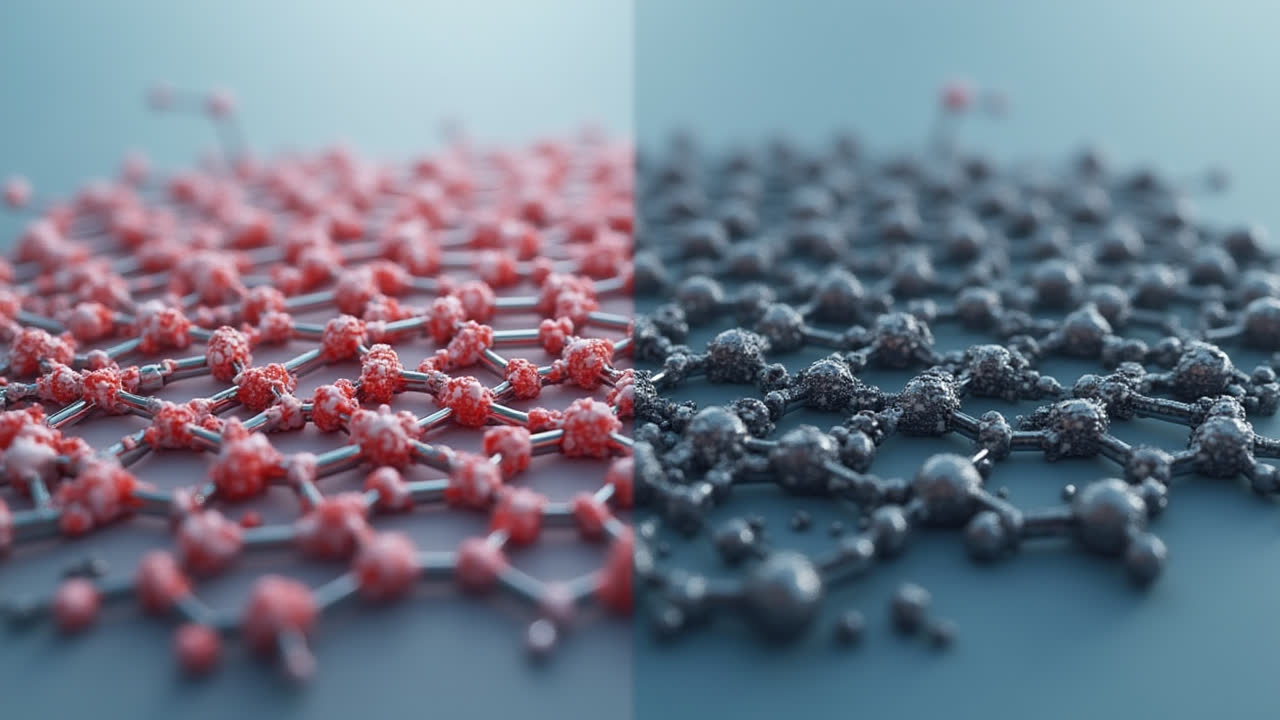
Let me paint you a picture: imagine taking nature's perfect carbon lattice - graphene - and deliberately disrupting it with oxygen. That's essentially what graphene oxide represents. When we treat graphite with powerful oxidizing agents, something fascinating happens. Those oxygen atoms attach themselves to the graphene sheets, forming functional groups like hydroxyl, epoxy, and carbonyl.
I've often compared this process to adding spices to a dish - the oxygen groups completely change the character of the material. The once-pristine carbon structure becomes dotted with oxygen-containing groups, making it hydrophilic and destroying its electrical conductivity. It's almost like watching a perfectly tuned instrument go out of tune, yet in this case, this "disruption" creates something equally valuable.
What's really exciting about graphene oxide is its versatility. Thanks to those polar groups, it readily dissolves in water - something pure graphene could never dream of doing. The surface becomes highly porous, opening up applications in filtration, sensors, and composite materials that would otherwise be impossible.
The Transformation: Creating Reduced Graphene Oxide
Now, here's where the story takes an interesting turn. Scientists figured out how to partially reverse this oxidation process, creating reduced graphene oxide. Think of it as a chemical Phoenix - you take the oxygen-rich graphene oxide and strip away most of those oxygen groups through reduction.
Various methods achieve this transformation, from chemical reduction using hydrazine (though that stuff makes me nervous just thinking about it) to thermal reduction where extreme heat drives off the oxygen. Each method has its quirks, but the goal remains the same: restore some of graphene's original properties while keeping the process economically feasible.
What really caught my attention was how this process creates a middle ground. We're not talking about pristine graphene here - that's still the holy grail of perfect conductivity. Instead, reduced graphene oxide offers a compromise: better electrical properties than its oxidized cousin, yet still more practical to produce in bulk.
Key Differences Between the Two Materials
Having worked with both materials, I can tell you the differences go beyond mere chemistry. The contrast in their properties shapes their applications in profound ways. Let me break down these differences in a way that makes practical sense:
| Property | Graphene Oxide | Reduced Graphene Oxide |
|---|---|---|
| Oxygen Content | High (typically 30-60%) | Low (typically 5-20%) |
| Electrical Conductivity | Very poor (insulating) | Good to excellent |
| Water Solubility | Highly soluble | Limited or insoluble |
| Surface Area | Typically lower | Typically higher |
| Structural Integrity | More defects | Better restored structure |
| Production Cost | Relatively inexpensive | Moderately expensive |
| Thermal Stability | Lower stability | Higher stability |
| Mechanical Properties | Flexible, brittle | Strong, flexible |
Real-World Applications: Where Each Material Shines
You know what's fascinating? The applications of these materials read like science fiction. Graphene oxide's water-loving nature makes it perfect for water purification systems - I've seen it remove contaminants that traditional filters couldn't touch. Its large surface area also makes it an excellent drug delivery vehicle, though I wonder sometimes if we're truly prepared for such advanced medical applications.
Meanwhile, reduced graphene oxide has carved out its niche in electronics and energy storage. Its restored conductivity, while not pristine like pure graphene, is sufficient for many practical applications. I've witnessed its use in flexible electronics, supercapacitors, and even smart textiles that could revolutionize our daily lives.
The composites market is where both materials really spread their wings. Adding graphene oxide to polymers creates materials with enhanced mechanical properties and barrier characteristics. Reduced graphene oxide, on the other hand, brings electrical conductivity to the party. It's like choosing between different superpowers - each material has its specialty.
Making the Right Choice for Your Application
I often get asked, "Which material should I use?" The answer, as you might suspect, depends entirely on your needs. If you need water solubility and don't care about conductivity, graphene oxide is your best friend. Need to conduct electricity? Reduced graphene oxide steps up to the plate.
Cost considerations also play a role. Graphene oxide production is well-established and relatively cheap. Reduced graphene oxide, requiring an additional processing step, costs more but delivers better performance in many applications. It's a classic quality versus cost decision that engineers face daily.
The learning curve with these materials can be steep. I remember my first attempt at working with reduced graphene oxide - the dispersion challenges alone took weeks to master. But once you understand their quirks, these materials become indispensable tools in the advanced materials toolkit.
Future Perspectives and Emerging Trends
Looking ahead, I'm genuinely excited about where these materials might lead us. Research continues to refine reduction methods, aiming to get closer to pristine graphene properties while maintaining economic viability. Some labs are experimenting with combining graphene oxide and reduced graphene oxide in hybrid structures, creating materials with truly unique properties.
Environmental considerations are also pushing innovation. New "green" reduction methods using vitamin C or glucose instead of harsh chemicals are gaining traction. These developments could make reduced graphene oxide production more sustainable and accessible to smaller companies and developing nations.
Perhaps most intriguingly, researchers are beginning to explore quantum properties in these materials. Could we be looking at the foundation for quantum computing or ultra-sensitive sensors? The possibilities seem endless, though I try to temper my enthusiasm with healthy skepticism.
Frequently Asked Questions
Can graphene oxide be converted back to pristine graphene?
While reduced graphene oxide comes close, it's nearly impossible to fully restore the original graphene structure. The reduction process removes most oxygen groups, but some defects and residual oxygen remain. Think of it like trying to unbreak an egg - you can get close, but it won't be exactly the same. Pure graphene is still typically produced through other methods like mechanical exfoliation or chemical vapor deposition.
Which material is better for battery applications?
Reduced graphene oxide generally performs better in battery applications due to its higher electrical conductivity. It's commonly used in lithium-ion batteries, supercapacitors, and next-generation energy storage devices. However, graphene oxide finds use in specialized applications where its unique surface chemistry offers advantages, such as certain types of flow batteries or as a separator material.
Is reduced graphene oxide safe for biological applications?
The biocompatibility of reduced graphene oxide depends heavily on its production method and surface treatment. Some forms show excellent biocompatibility and are being explored for drug delivery, tissue engineering, and biosensors. However, concerns about cytotoxicity still exist, and proper surface functionalization is often necessary. Always consult specific toxicological studies relevant to your intended biological application.
Conclusion: Two Materials, Countless Possibilities
The journey from graphene oxide to reduced graphene oxide represents more than just a chemical transformation - it's a story of adaptation and innovation. Each material has carved out its niche in the expanding universe of advanced materials, offering unique solutions to modern challenges.
Whether you're working on next-generation electronics, developing water purification systems, or pushing the boundaries of composite materials, understanding these differences will guide your material selection. Both graphene oxide and reduced graphene oxide have roles to play in our technological future, and their continued development promises exciting breakthroughs ahead.
As we've explored these carbon wonders, I hope you've gained not just knowledge but appreciation for how molecular modifications can create materials with such distinctly different personalities. The future of materials science is bright indeed, and these graphene derivatives are lighting the way forward.