Glucose vs Galactose: Key Differences Between These Essential Sugars

Introduction to Simple Sugars in Human Metabolism
In the complex world of biochemistry, glucose and galactose stand as fundamental building blocks of life. These simple sugars belong to the monosaccharide family and play crucial roles in energy production, metabolism, and cellular function. Despite sharing the same molecular formula (C₆H₁₂O₆), these two hexose sugars exhibit distinct characteristics that influence how our bodies process and utilize them. Have you ever wondered why some people struggle to digest certain dairy products? The answer might lie in the unique properties of galactose.
Carbohydrates represent one of the three major macronutrients essential for human health, alongside proteins and fats. Within this category, monosaccharides serve as the simplest form of carbohydrates that cannot be broken down into smaller sugar units through hydrolysis. Both glucose and galactose fall under this classification, functioning as vital components in various biological processes. Their seemingly minor structural differences lead to significant variations in stability, sweetness, melting point, and metabolic pathways—differences that have profound implications for human health and nutrition.
I've spent years studying carbohydrate biochemistry, and I'm still fascinated by how such subtle molecular variations can create such different biological effects. When I first learned about the fourth carbon hydroxyl group orientation difference between these sugars, it seemed like such a small detail. Yet this tiny distinction explains why some people can enjoy ice cream without issues while others experience digestive distress due to galactose metabolism problems. Let's explore these fascinating molecules in detail, breaking down their structures, functions, and the key differences that make each unique in human physiology.
Understanding Glucose: The Body's Primary Energy Source
Glucose stands as the most abundant and biologically significant monosaccharide in nature. This simple sugar serves as the primary energy currency for most living organisms, from the simplest bacteria to complex human systems. When we consume carbohydrate-rich foods like bread, pasta, or fruits, our digestive system breaks down these complex structures into glucose molecules that enter the bloodstream. The molecular structure of glucose features a six-carbon chain with an aldehyde group at the first carbon position, classifying it as an aldohexose. What makes glucose particularly notable is the specific arrangement of its hydroxyl groups, especially the horizontal orientation of the -OH group at the fourth carbon in its chair conformation.
The remarkable stability of glucose contributes to its prevalence in biological systems. In aqueous solutions, glucose primarily exists in its cyclic form rather than the open-chain structure, with the open form spontaneously converting to the more stable ring configuration. This cyclic structure occurs through an intramolecular reaction between the aldehyde group and one of the hydroxyl groups. D-glucose, the naturally occurring form, rotates plane-polarized light clockwise—a property known as dextrorotation that earned it the alternative name "dextrose." With a melting point of approximately 146-150°C, glucose dissolves readily in water, creating a clear, colorless solution that tastes distinctly sweet.
As someone who's monitored blood glucose levels in clinical settings, I've observed firsthand how this molecule serves as the central player in metabolic health. Glucose doesn't just provide energy—it's also a versatile building block for larger carbohydrate molecules. It functions as the monomer unit for critical polysaccharides including starch (the primary storage form in plants), glycogen (the storage form in animals), and cellulose (the structural component in plant cell walls). Through glycolysis and subsequent metabolic pathways, glucose breaks down to yield ATP, the universal energy carrier in living cells. This comprehensive role makes glucose not merely a nutrient but a fundamental cornerstone of biological existence.
Exploring Galactose: Structure and Biological Importance
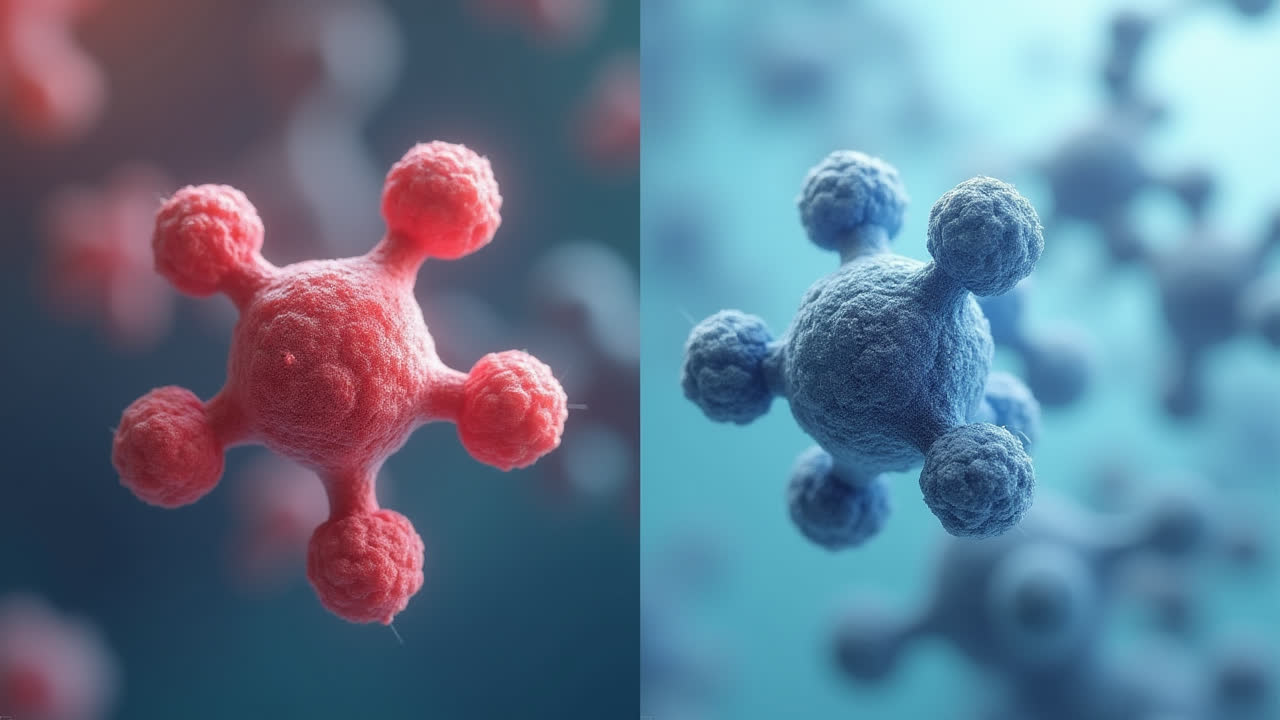
Galactose, often referred to as "brain sugar," shares the same molecular formula as glucose (C₆H₁₂O₆) but differs critically in its structural arrangement. The defining characteristic of galactose lies in the orientation of its hydroxyl group at the fourth carbon position—this -OH group points upward in the chair conformation, contrasting with glucose's horizontally positioned group at the same carbon. This seemingly minor distinction creates significant differences in how our bodies process these sugars. Like glucose, galactose is an aldohexose with six carbon atoms and a terminal aldehyde group, but its unique stereochemistry affects everything from its sweetness profile to its metabolic fate.
In nature, galactose rarely exists as a free monosaccharide. Instead, it typically appears as a component of more complex carbohydrates. The most common natural source of galactose is lactose, the primary sugar found in milk and dairy products, which consists of a glucose molecule linked to a galactose molecule. Unlike glucose, which is ready for immediate metabolic use, galactose requires conversion to glucose in the liver through a process called the Leloir pathway. This metabolic conversion highlights an important reality about sugar metabolism—not all simple sugars enter cellular energy pathways with equal efficiency. With a higher melting point of approximately 167°C and lower water solubility than glucose, galactose also exhibits reduced sweetness compared to its more common counterpart.
During my research on infant nutrition, I discovered that galactose plays particularly crucial roles in early human development. It contributes to the formation of cerebrosides, which are essential for developing nervous system structures, including the myelin sheaths that insulate nerve cells. Galactose also participates in the synthesis of glycoproteins and glycolipids—complex molecules that facilitate cell-to-cell recognition and communication. The importance of galactose becomes starkly apparent in conditions like galactosemia, a rare genetic disorder where the body cannot properly metabolize this sugar. Individuals with this condition must strictly avoid galactose-containing foods from birth to prevent serious developmental complications, demonstrating how this "alternative" sugar plays irreplaceable roles in human biology despite its less prominent profile compared to glucose.
Comprehensive Comparison: Glucose vs Galactose
| Feature | Glucose | Galactose |
|---|---|---|
| Chemical Structure | -OH group on 4th carbon points horizontally in chair conformation | -OH group on 4th carbon points upward in chair conformation |
| Molecular Formula | C₆H₁₂O₆ | C₆H₁₂O₆ |
| Stability | More stable | Less stable |
| Sweetness | Sweeter | Less sweet than glucose |
| Melting Point | 146-150°C | 167°C |
| Metabolism | Direct entry into glycolysis | Requires conversion to glucose via Leloir pathway |
| Natural Occurrence | Abundant in fruits, honey, and as component of polysaccharides | Primarily found in lactose (milk sugar) and certain glycolipids |
| Biological Role | Primary energy source for most cells | Important for brain development and cell recognition processes |
Metabolic Pathways and Health Implications
The metabolic journeys of glucose and galactose diverge significantly after ingestion, creating distinct health considerations for each sugar. Glucose metabolism follows a direct and efficient path—after absorption from the intestine into the bloodstream, it's distributed to cells throughout the body where it enters glycolysis immediately. This streamlined process makes glucose the preferred energy substrate for most cells, particularly brain neurons that depend almost exclusively on glucose for normal function. In contrast, galactose requires additional processing. After absorption, it travels to the liver where enzymes convert it to glucose-1-phosphate through the Leloir pathway, requiring extra metabolic steps and energy expenditure before it can enter the mainstream energy production pathways.
These metabolic differences translate to significant health implications. People with diabetes must carefully monitor glucose intake and levels, as their bodies struggle with proper glucose regulation. Meanwhile, galactose metabolism presents its own challenges. Galactosemia, a genetic disorder affecting about 1 in 50,000 newborns, results from deficiencies in enzymes needed for galactose metabolism. Without these enzymes, galactose and its metabolites accumulate to toxic levels, potentially causing cataracts, liver damage, brain damage, and even death if not treated through dietary restriction. Even for those without galactosemia, some adults develop reduced ability to digest lactose (and therefore galactose) as they age, leading to the common condition known as lactose intolerance.
I once counseled a family whose infant was diagnosed with galactosemia, and the reality of eliminating all dairy and many processed foods from a child's diet was overwhelming at first. Yet this experience highlighted to me how understanding the biochemical differences between sugars isn't just academic—it has real-world applications in managing health conditions. Beyond specific metabolic disorders, the different rates at which these sugars enter the bloodstream also affect insulin response. Glucose triggers a rapid insulin spike, while galactose, due to its liver conversion requirement, causes a more gradual blood sugar increase. This difference potentially influences appetite regulation, energy levels, and long-term metabolic health in ways nutritional scientists are still exploring. These metabolic nuances underscore why all "sugars" cannot be treated as identical in human nutrition.
Industrial and Practical Applications
Beyond their biological significance, glucose and galactose have carved out distinct niches in industrial applications, food production, and pharmaceutical development. Glucose, being more stable and abundantly available, dominates commercial use. It appears extensively in food manufacturing as corn syrup, dextrose, and in various fermentation processes. The brewing and baking industries rely heavily on glucose for its fermentability and role in Maillard reactions that create desirable flavors and browning effects. In medicine, glucose solutions serve crucial roles in intravenous feeding, as diagnostic tools in glucose tolerance tests, and as energy-providing sports drinks. Its relatively higher sweetness makes it an efficient sweetening agent, requiring smaller quantities to achieve desired taste profiles in products.
Galactose, while less prominent in commercial applications, occupies important specialized roles. Its lower sweetness actually becomes advantageous in certain food formulations where bulk is needed without excessive sweetness. Pharmaceutical applications leverage galactose's unique structure to create drug delivery systems targeting the liver, as hepatocytes (liver cells) contain specific galactose receptors. In cosmetic products, galactose derivatives contribute to moisture retention and skin conditioning properties. The food industry sometimes uses galactose in specialized products for individuals with glucose metabolism disorders, offering an alternative energy source that follows different metabolic pathways. Research continues exploring galactose-based compounds for potential anti-cancer therapies, exploiting the sugar's interaction with specific cellular receptors.
I remember visiting a pharmaceutical laboratory where researchers were developing galactose-modified nanoparticles designed to deliver cancer medications specifically to liver cells. The scientists explained how the seemingly simple difference in hydroxyl group orientation between glucose and galactose created entirely different receptor binding profiles, allowing for this targeted approach. This experience demonstrated how structural distinctions at the molecular level translate to practical applications with potentially life-saving implications. Similarly, food scientists continue developing novel sweetener blends that capitalize on the different properties of various sugars, including glucose and galactose, to create products with optimal taste, texture, and metabolic impact. These industrial applications highlight how fundamental biochemical knowledge drives practical innovation across multiple sectors.
Frequently Asked Questions
Why can some people not digest galactose properly?
Some individuals cannot properly digest galactose due to genetic conditions like galactosemia, where they lack the enzymes needed to metabolize this sugar effectively. Galactosemia occurs in approximately 1 in 50,000 newborns and requires strict dietary management to prevent serious health complications. Additionally, many adults develop lactose intolerance as they age, reducing their ability to break down lactose into glucose and galactose. This happens because lactase production (the enzyme that breaks down lactose) naturally decreases after childhood in most human populations. When galactose cannot be properly processed, it can accumulate in tissues and cause various symptoms ranging from digestive discomfort to more serious conditions affecting the liver, eyes, brain, and other organs in the case of galactosemia.
How do glucose and galactose differ in their effects on blood sugar levels?
Glucose and galactose affect blood sugar levels differently due to their distinct metabolic pathways. Glucose enters the bloodstream directly after absorption and can be immediately utilized by cells, causing a rapid rise in blood sugar levels and triggering a prompt insulin response. This quick absorption makes glucose a high-glycemic sugar. In contrast, galactose must first travel to the liver where it undergoes conversion to glucose through the Leloir pathway before entering general circulation. This additional processing step creates a delayed and more gradual impact on blood sugar levels, resulting in a lower glycemic response compared to pure glucose. For individuals monitoring their blood sugar, such as those with diabetes or insulin resistance, understanding these different metabolic rates can be important for dietary management and preventing dangerous blood sugar fluctuations.
What foods naturally contain high amounts of galactose?
Galactose is rarely found in free form in natural foods but is instead typically bound in larger sugar molecules, primarily lactose. Dairy products represent the most significant dietary source of galactose, with milk, yogurt, cheese, and other milk-derived foods containing substantial amounts of this sugar in the form of lactose. Additionally, certain fruits contain small amounts of free galactose, including apples, apricots, and bananas. Some vegetables like brussels sprouts, cabbage, and legumes also contain galactose in various forms. Processed foods may contain added lactose or galactose as ingredients, particularly in baked goods, confectionery, and certain processed meat products. For individuals with galactosemia who must avoid galactose, careful reading of food labels and consultation with a dietitian is essential, as this sugar can appear in unexpected food sources and under various ingredient names.
Conclusion: Understanding the Significance of Sugar Differences
The molecular distinctions between glucose and galactose, though subtle in chemical terms, manifest as profound differences in biological function, metabolism, and health implications. The single variation in hydroxyl group orientation at the fourth carbon position cascades into divergent properties affecting everything from sweetness perception to metabolic processing and industrial applications. These differences highlight a fundamental principle in biochemistry—small structural changes can create large functional consequences in biological systems.
For nutritionists, healthcare providers, food scientists, and anyone interested in metabolic health, appreciating these distinctions provides valuable context for understanding carbohydrate metabolism. Beyond academic interest, this knowledge has practical applications in managing conditions like diabetes and galactosemia, developing specialized food products, and creating targeted drug delivery systems. As research continues to unveil more about the intricate biochemistry of carbohydrates, our understanding of these essential molecules will continue to evolve, potentially opening new avenues for medical treatments and nutritional approaches.
The story of glucose and galactose reminds us that in the molecular foundations of life, details matter. What appears as a minor structural variation between two sugars shapes everything from infant development to elderly health maintenance. This exploration of monosaccharide differences offers just one glimpse into the fascinating complexity of biochemistry that underlies all living systems—a complexity where even the orientation of a single hydroxyl group can make all the difference between energy production and potential toxicity. Whether you're a student, healthcare professional, or simply someone curious about how your body processes the foods you eat, understanding these fundamental sugar differences provides valuable insight into the biochemical basis of health and disease.