Genetic Engineering: What It Is, Benefits, Risks, and Future
What is Genetic Engineering?
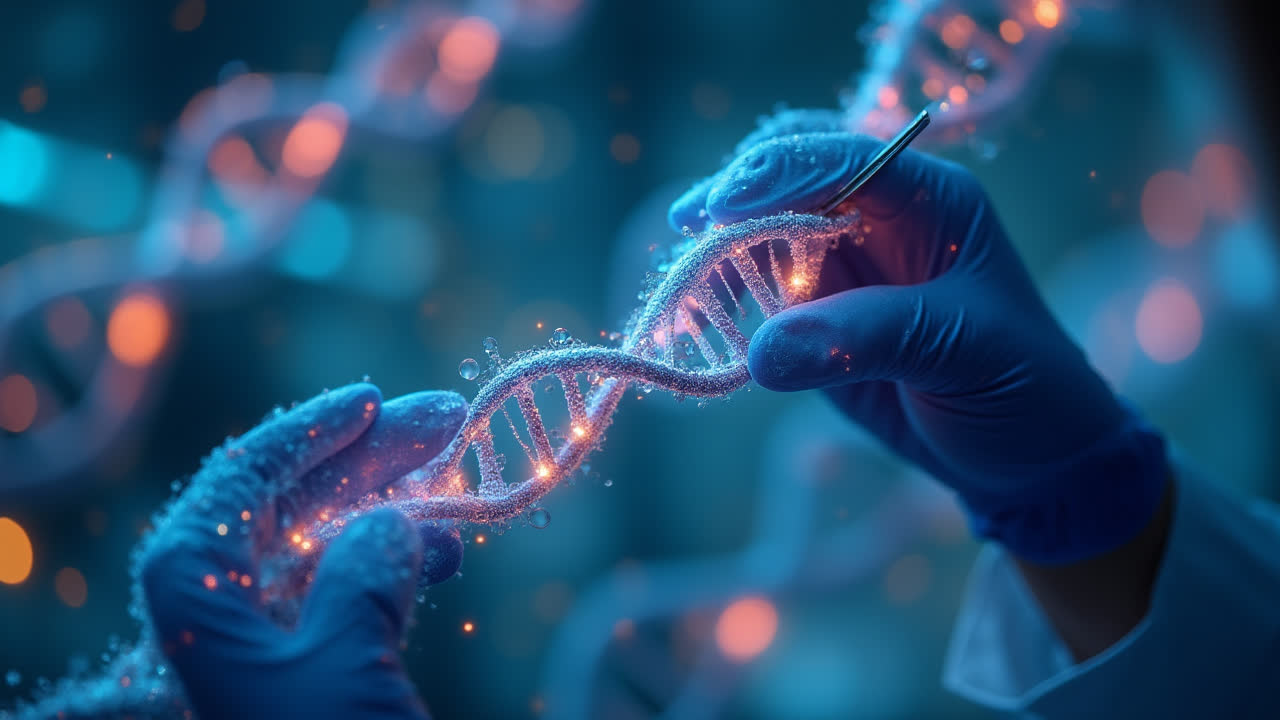
Genetic engineering represents a revolutionary field of science where an organism's genetic material (DNA) is deliberately altered using biotechnology methods to achieve specific goals. I've always been fascinated by how scientists can essentially "rewrite" the genetic code of living things - it's like editing the instruction manual for life itself! This powerful technology allows researchers to add new characteristics to organisms that wouldn't occur naturally through traditional breeding methods.
The core principle behind genetic engineering is relatively straightforward: scientists identify genes responsible for desirable traits, isolate them, and then insert these genes into different organisms. The process creates what we commonly call genetically modified organisms (GMOs). These modifications can range from simple changes affecting a single protein to complex alterations that introduce entirely new biological pathways into an organism.
What makes genetic engineering particularly remarkable is its precision. Unlike conventional breeding, which shuffles thousands of genes somewhat randomly, genetic engineering allows for targeted modifications. Think about it - we can now select exactly which genetic changes we want to make! This precision opens up possibilities that would be impossible through natural evolution or traditional breeding methods.
The Genetic Engineering Process
The genetic engineering process involves several sophisticated steps, each requiring specialized knowledge and equipment. First, scientists must identify and isolate the specific gene they want to work with. This often feels like finding a needle in a haystack, as the human genome alone contains around 20,000 genes! Once identified, the gene must be extracted and copied (cloned) to create enough material to work with.
Next comes the fascinating part - introducing the gene into the target organism. There are several methods to accomplish this, including:
- Microinjection: Directly injecting genetic material into a cell using a tiny glass needle
- Electroporation: Using electric pulses to create temporary pores in cell membranes for DNA to enter
- Gene gun: Shooting microscopic DNA-coated particles into cells
- Vector systems: Using modified viruses or bacteria to deliver genetic material
After insertion, scientists must verify that the genetic modification was successful and that the new gene functions as intended. This verification process can take months or even years, requiring careful observation and testing. I once spoke with a researcher who described this verification phase as "the most nerve-wracking part of the whole process" - all that work could be for nothing if the gene doesn't express properly!
When creating transgenic organisms (those containing genes from different species), scientists must carefully consider compatibility issues. Not all genes work the same way in different organisms, and sometimes additional modifications are needed to ensure proper function. It's like trying to install parts from one car brand into a completely different make - sometimes you need adapters to make everything work together!
Applications of Genetic Engineering
The applications of genetic engineering span numerous fields and continue to expand as technology advances. In medicine, genetic engineering has revolutionized treatment approaches through gene therapy, which aims to cure diseases by correcting genetic defects. I remember the excitement in 2017 when the FDA approved the first gene therapy treatments in the United States - it felt like we were witnessing medical history!
Agricultural applications have perhaps been the most visible to the general public. Crops engineered for pest resistance, drought tolerance, or improved nutritional content are now grown worldwide. Golden Rice, engineered to produce beta-carotene (a vitamin A precursor), could potentially prevent millions of cases of vitamin A deficiency in developing countries. Despite their benefits, I've noticed these applications often spark the most heated debates about genetic engineering.
In industrial biotechnology, genetically modified microorganisms serve as living factories, producing valuable substances like enzymes, biofuels, and pharmaceuticals. These biological manufacturing systems often replace chemical processes that would otherwise require harsh conditions or generate hazardous waste. One company I toured uses genetically modified bacteria to produce insulin identical to human insulin, eliminating the need to extract it from animal pancreases as was done in the past.
Research applications might be less visible to the public but are equally important. Genetically modified animal models help scientists understand disease mechanisms and test potential treatments. The humble fruit fly, when genetically modified, has contributed enormously to our understanding of human diseases. Fluorescent proteins derived from jellyfish, when engineered into other organisms, allow researchers to track biological processes that would otherwise be invisible. It's truly amazing what we can learn from these modified organisms!
Comparing Conventional Breeding vs. Genetic Engineering
| Feature | Conventional Breeding | Genetic Engineering |
|---|---|---|
| Mechanism | Relies on natural reproductive processes | Directly manipulates genetic material in laboratory |
| Precision | Limited control, transfers thousands of genes | Precise modification of specific genes |
| Time Required | Multiple generations (years to decades) | Can be achieved in months to years |
| Genetic Sources | Limited to same or closely related species | Can transfer genes between any organisms |
| Predictability | Outcomes can be unpredictable | More predictable specific outcomes |
| Regulatory Oversight | Minimal regulatory requirements | Extensive safety testing and regulation |
| Public Perception | Generally accepted as "natural" | Often viewed with skepticism |
| Cost | Relatively low-cost implementation | High initial investment in technology |
Benefits of Genetic Engineering
The benefits of genetic engineering are substantial and far-reaching. In healthcare, genetic engineering has enabled the production of vital medications like insulin, growth hormone, and clotting factors. For patients with diabetes, these engineered insulin products have been life-changing. I have a cousin with Type 1 diabetes who benefits daily from this technology - before genetically engineered insulin, he would have had to use less effective animal-derived products!
Agricultural benefits include increased crop yields, reduced pesticide use, and enhanced nutritional value. Bt corn, which produces its own insecticide, has dramatically reduced the need for chemical pesticides in many regions. During a particularly dry summer a few years back, I noticed that drought-resistant varieties in local farms remained productive while conventional crops struggled. These resilient crops will become increasingly important as climate change intensifies.
Environmental applications offer promising solutions to pressing problems. Genetically engineered microorganisms can clean up toxic waste sites through a process called bioremediation. Scientists are also developing trees that can absorb more carbon dioxide, potentially helping combat climate change. I recently read about bacteria engineered to break down plastic waste - now wouldn't that be a game-changer for our oceans?
The economic benefits are significant as well. Genetic engineering has created entire new industries and job sectors. The global biotechnology market, valued at hundreds of billions of dollars, continues to grow rapidly. Beyond direct economic impacts, the reduced crop losses and improved healthcare outcomes provide substantial indirect economic benefits. When farmers in my region adopted pest-resistant crops, their income stability improved noticeably - they weren't at the mercy of pest outbreaks anymore.
Concerns and Controversies
Despite its benefits, genetic engineering raises legitimate concerns that deserve careful consideration. Safety concerns about GMO foods persist despite scientific consensus on their safety. Some worry about potential long-term effects that might not be immediately apparent. While I understand these concerns, I've found that many are based on misunderstandings about how thoroughly these products are tested before reaching consumers.
Environmental concerns include fears about genetically modified organisms escaping into ecosystems and potentially disrupting natural balances. The possibility of gene flow from engineered crops to wild relatives could theoretically create "superweeds" resistant to herbicides. I once attended a heated town hall where organic farmers expressed concerns about cross-pollination from neighboring GMO crops - it showed me how these issues affect real communities.
Ethical considerations around genetic engineering are complex and deeply personal. Some religious perspectives view genetic modification as "playing God," while others focus on the ethical imperative to use technology to reduce suffering. The concept of patenting living organisms raises questions about ownership of life forms and access to technology. When my university ethics class debated these issues, we rarely reached consensus - these questions touch on our deepest values.
Regulatory frameworks vary significantly worldwide, creating challenges for international trade and technology development. Some countries embrace genetic engineering technologies with minimal restrictions, while others implement strict precautionary approaches. This regulatory patchwork creates uncertainty for researchers and companies working in the field. Having worked briefly with a biotech startup, I witnessed firsthand how navigating these varying regulations consumed enormous resources that could have otherwise gone to research.
Future Directions in Genetic Engineering
The future of genetic engineering looks incredibly promising with emerging technologies expanding possibilities daily. CRISPR-Cas9 gene editing has revolutionized the field, offering unprecedented precision and accessibility. This technology makes genetic modifications simpler, faster, and more affordable than ever before. When CRISPR first hit the scientific scene around 2012, I remember thinking it seemed almost too good to be true - yet it's delivering on its promise!
Synthetic biology represents another frontier, focusing on designing and constructing new biological parts, devices, and systems. Scientists are creating entirely new biological functions that don't exist in nature. I recently toured a lab where researchers were designing microorganisms with completely synthetic genomes - it felt like watching science fiction become reality!
Gene drives offer a controversial but powerful tool for spreading specific genes throughout wild populations. This technology could potentially eliminate disease vectors like malaria-carrying mosquitoes or invasive species. However, the potential ecological impacts of such widespread genetic changes demand careful consideration. Would we be opening Pandora's box, or solving some of humanity's most persistent problems? The debate continues, and I find myself oscillating between excitement and caution.
As these technologies advance, societal conversations about appropriate governance, ethical boundaries, and equitable access become increasingly important. Who decides which applications move forward? How do we balance innovation with appropriate caution? These questions will shape how genetic engineering transforms our world in the coming decades. I believe we need robust public engagement in these decisions - after all, the impacts will affect us all.
Frequently Asked Questions
Is genetically modified food safe to eat?
According to major scientific and regulatory bodies worldwide, including the World Health Organization, genetically modified foods currently available on the international market have passed safety assessments and are not likely to present risks for human health. Each GM food product is evaluated on a case-by-case basis. However, ongoing monitoring is important as new varieties are developed. It's worth noting that GM foods have been consumed for over 20 years with no documented adverse health effects attributable to genetic engineering.
How is genetic engineering different from traditional breeding?
The key difference is precision and scope. Traditional breeding shuffles thousands of genes between organisms of the same or closely related species through natural reproductive processes. This process takes multiple generations and can introduce unpredictable genetic changes. Genetic engineering, by contrast, allows scientists to precisely modify specific genes and can transfer genetic material between any organisms, even those from different kingdoms of life. This precision allows for modifications that would be impossible through traditional breeding methods, such as creating plants that produce pharmaceuticals or bacteria that manufacture human insulin.
Could genetic engineering eliminate genetic diseases in humans?
Genetic engineering shows promising potential for treating or even eliminating certain genetic diseases, but significant challenges remain. Somatic gene therapy, which modifies non-reproductive cells in a patient's body, is already being used to treat several conditions like severe combined immunodeficiency and certain forms of blindness. However, germline editing (modifying sperm, eggs, or embryos) that would permanently eliminate genetic diseases from family lineages remains highly controversial and is currently prohibited in many countries due to ethical concerns and safety uncertainties. While the technology is advancing rapidly, particularly with CRISPR-Cas9, questions about unintended consequences, equity of access, and appropriate governance must be resolved before genetic engineering could play a major role in eliminating genetic diseases across human populations.