Fumarate Reductase vs Succinate Dehydrogenase: Essential Differences Explained
The Fundamental Difference Between These Key Enzymes
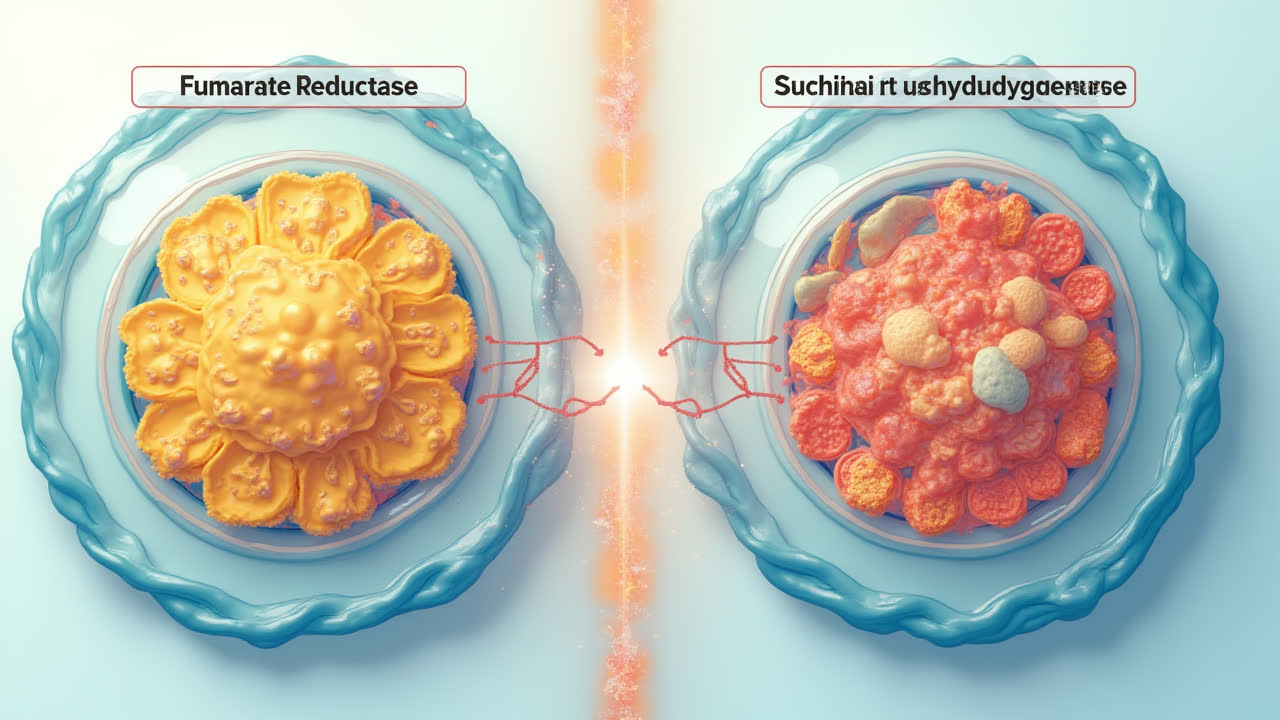
When comparing these enzymes, the primary distinction comes down to reaction direction. Succinate dehydrogenase catalyzes the conversion of succinate to fumarate by removing two hydrogen atoms from succinate. This oxidation reaction is a fundamental step in the citric acid cycle, also known as the Krebs cycle. In contrast, fumarate reductase performs the reverse reaction, converting fumarate back to succinate by adding two hydrogen atoms.
I've always found it fascinating how nature creates specialized enzymes for opposite directions of the same reaction. It's like having dedicated uphill and downhill specialists in a cycling team – each excels in their specific condition! These enzymes exemplify biochemical efficiency, with their structures specifically evolved to handle electron flow in their respective directions.
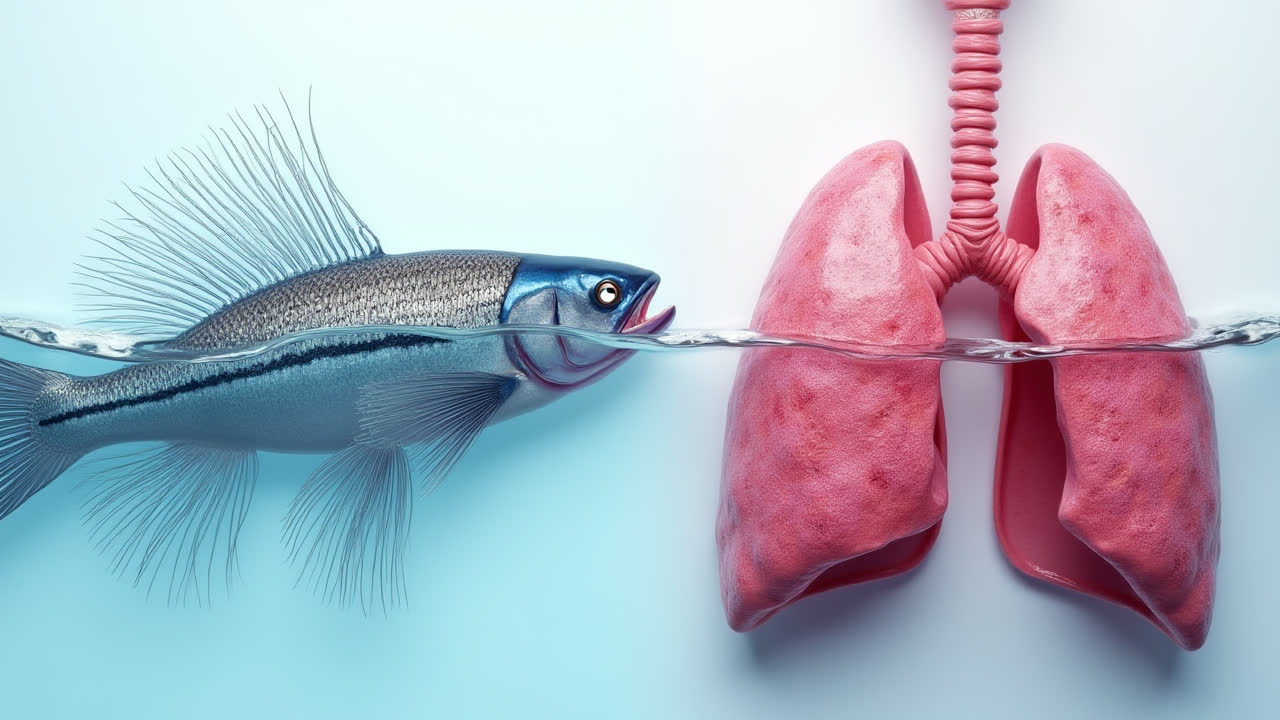
Both enzymes belong to the same family but operate under different conditions and in different organisms. Succinate dehydrogenase functions primarily in aerobic (oxygen-rich) environments, while fumarate reductase typically operates in anaerobic (oxygen-poor) conditions. This specialization allows organisms to adapt to various environmental conditions while still maintaining essential metabolic processes.
Understanding Fumarate Reductase: Structure and Function
Fumarate reductase is a multi-subunit protein complex composed of several polypeptide chains. While studying biochemistry, I was struck by how elegantly its structure serves its function. The enzyme contains heme groups responsible for electron transfer within the complex, alongside iron-sulfur clusters that act as crucial electron carriers. These components work together like a well-orchestrated relay team, passing electrons from donors to the fumarate molecule.
The primary function of fumarate reductase is straightforward yet vital: it catalyzes the reduction of fumarate to succinate. This reaction can be expressed as:
Fumarate + 2H → Succinate
In this process, electrons and protons typically come from reduced quinone (usually ubiquinol or menaquinol), which donates its electrons to the enzyme. This reaction is particularly important in anaerobic respiration, where organisms need alternative electron acceptors in the absence of oxygen.
Where is fumarate reductase found? This enzyme is primarily present in certain bacteria and archaea, particularly those that thrive in oxygen-limited environments. It's also found in the mitochondria of some parasitic protists. Have you ever wondered how some microbes survive in oxygen-deprived environments like deep sea sediments or your gut? Fumarate reductase is part of their survival toolkit! The enzyme enables these organisms to utilize available substrates efficiently and contribute to fermentation processes in various ecological niches.
Succinate Dehydrogenase: The Aerobic Specialist
Succinate dehydrogenase (SDH) serves as both a key component of the citric acid cycle and Complex II of the electron transport chain. I remember struggling with this dual role during my biochemistry classes until a professor explained it like this: "It's like having a foot in two rooms of the cellular house." This enzyme is an integral membrane protein complex located in the inner mitochondrial membrane of eukaryotic cells.
The structure of succinate dehydrogenase consists of four main subunits, each with specific functions:
- Flavoprotein Subunit (SDHA): Contains flavin adenine dinucleotide (FAD) and an iron-sulfur cluster
- Iron-Sulfur Subunit (SDHB): Houses additional Fe-S clusters for electron transfer
- Cytochrome b Subunit (SDHC): Contains heme groups and mediates electron transfer
- Membrane Anchor Subunit (SDHD): Anchors the complex to the inner mitochondrial membrane
The primary reaction catalyzed by succinate dehydrogenase can be represented as:
Succinate + FAD → Fumarate + FADH₂
This reaction is crucial because it not only advances the citric acid cycle but also feeds electrons into the electron transport chain, contributing to ATP production. It's a perfect example of how cellular processes are interconnected – nothing in metabolism stands alone!
Beyond its metabolic role, dysregulation or mutations in succinate dehydrogenase subunits can lead to various disorders. Some mutations in SDH genes have been associated with hereditary paragangliomas and pheochromocytomas, which are rare neuroendocrine tumors. This connection between metabolism and disease highlights the enzyme's importance beyond basic biochemistry.
Comparing Fumarate Reductase and Succinate Dehydrogenase
While these enzymes catalyze opposite reactions, they share some similarities. Both are involved in the conversion of organic compounds related to the citric acid cycle and participate in electron transfer processes. However, their differences are what make them specialized for their respective roles in metabolism.
| Characteristic | Fumarate Reductase | Succinate Dehydrogenase |
|---|---|---|
| Primary Reaction | Fumarate → Succinate (reduction) | Succinate → Fumarate (oxidation) |
| Electron Flow | Accepts electrons (from reduced quinones) | Donates electrons (to FAD, forming FADH₂) |
| Predominant Environment | Anaerobic conditions | Aerobic conditions |
| Location | Bacterial/archaeal membranes, some parasitic protists | Inner mitochondrial membrane (eukaryotes), plasma membrane (prokaryotes) |
| Role in Metabolism | Anaerobic respiration, terminal electron acceptor | Citric acid cycle, electron transport chain (Complex II) |
| Metabolic Direction | Often used in catabolic processes | Critical for both catabolic and anabolic processes |
| Evolutionary Distribution | More common in microorganisms adapted to low-oxygen environments | Widespread across aerobic organisms |
| Clinical Significance | Target for antimicrobial drugs in some pathogens | Mutations linked to hereditary paragangliomas and pheochromocytomas |
Ecological and Medical Significance
These enzymes' different functions have significant ecological and medical implications. Fumarate reductase enables microorganisms to survive in anaerobic environments like ocean sediments, soil ecosystems, and the human gut. I once visited a research lab studying gut microbiota, and the scientists there explained how these anaerobic specialists with fumarate reductase help break down compounds that our own cells cannot process. It's a fascinating example of symbiosis!
In bioremediation efforts, microbes utilizing fumarate reductase can help degrade organic contaminants under anaerobic conditions. This application shows how understanding basic biochemistry can lead to practical environmental solutions. Isn't it remarkable how nature's metabolic diversity can be harnessed to clean up our environment?
Meanwhile, succinate dehydrogenase's role in energy production makes it essential for all aerobic organisms. Its dysfunction can lead to significant metabolic disorders. Medical researchers are increasingly interested in both enzymes as potential targets for treatments of various conditions, from metabolic disorders to infections by anaerobic pathogens.
Frequently Asked Questions
Why do organisms need both fumarate reductase and succinate dehydrogenase?
Organisms need both enzymes because they operate under different conditions and serve different metabolic needs. Succinate dehydrogenase is crucial for aerobic respiration and energy production in the presence of oxygen, while fumarate reductase enables anaerobic respiration when oxygen is scarce. Some microorganisms can switch between these metabolic pathways depending on environmental conditions, allowing them to thrive in changing environments. This metabolic flexibility is especially important for bacteria that encounter both oxygen-rich and oxygen-poor environments during their lifecycle.
Can humans use fumarate reductase for metabolism?
Human cells primarily rely on succinate dehydrogenase for aerobic metabolism rather than fumarate reductase. However, the human gut microbiome—the collection of microorganisms living in our digestive tract—includes many bacterial species that do utilize fumarate reductase. These gut bacteria help break down certain compounds and contribute to our digestive processes. Some research suggests that under extremely low oxygen conditions (like in certain tissues during ischemia), human cells might temporarily use reactions similar to fumarate reduction, though not through the same enzyme systems found in bacteria.
How are these enzymes related to antibiotic resistance?
Fumarate reductase has been investigated as a potential target for antibiotics, particularly for anaerobic pathogens. Some bacteria rely heavily on fumarate reductase for survival in low-oxygen environments like wounds or abscesses. By developing compounds that inhibit this enzyme, researchers hope to create antibiotics effective against these pathogens. Additionally, changes in bacterial metabolism, including alterations in enzymes like fumarate reductase, can sometimes contribute to antibiotic resistance by modifying cellular processes targeted by the drugs or by changing the energy state of the cell in ways that reduce antibiotic effectiveness.
Conclusion
The distinction between fumarate reductase and succinate dehydrogenase exemplifies how enzymes evolve to catalyze specific reactions under particular conditions. While succinate dehydrogenase converts succinate to fumarate in oxygen-rich environments, fumarate reductase performs the reverse reaction in oxygen-poor settings. This specialization enables organisms to maintain essential metabolic functions across diverse environmental conditions.
Understanding these enzymes' functions and differences provides insight into fundamental biochemical processes and has applications ranging from medical treatments to environmental remediation. As research continues, our knowledge of these fascinating enzymes and their roles in metabolism will only deepen, potentially leading to new biotechnological applications and therapies.
Next time you consider the basics of cellular respiration, remember these two specialized enzymes working in opposite directions—each essential in its own biochemical niche, and together representing the elegant adaptability of life's metabolic systems.