Fatty Acid vs Free Fatty Acid: Key Differences Explained
Fatty Acid vs Free Fatty Acid: Key Differences Explained
Ever wondered about the difference between fatty acid and free fatty acid? I'll be honest—when I first delved into biochemistry, these terms left me scratching my head. As someone who's spent years studying nutrition and metabolism, I can tell you that understanding this distinction is actually crucial for grasping how our bodies process and use fats.
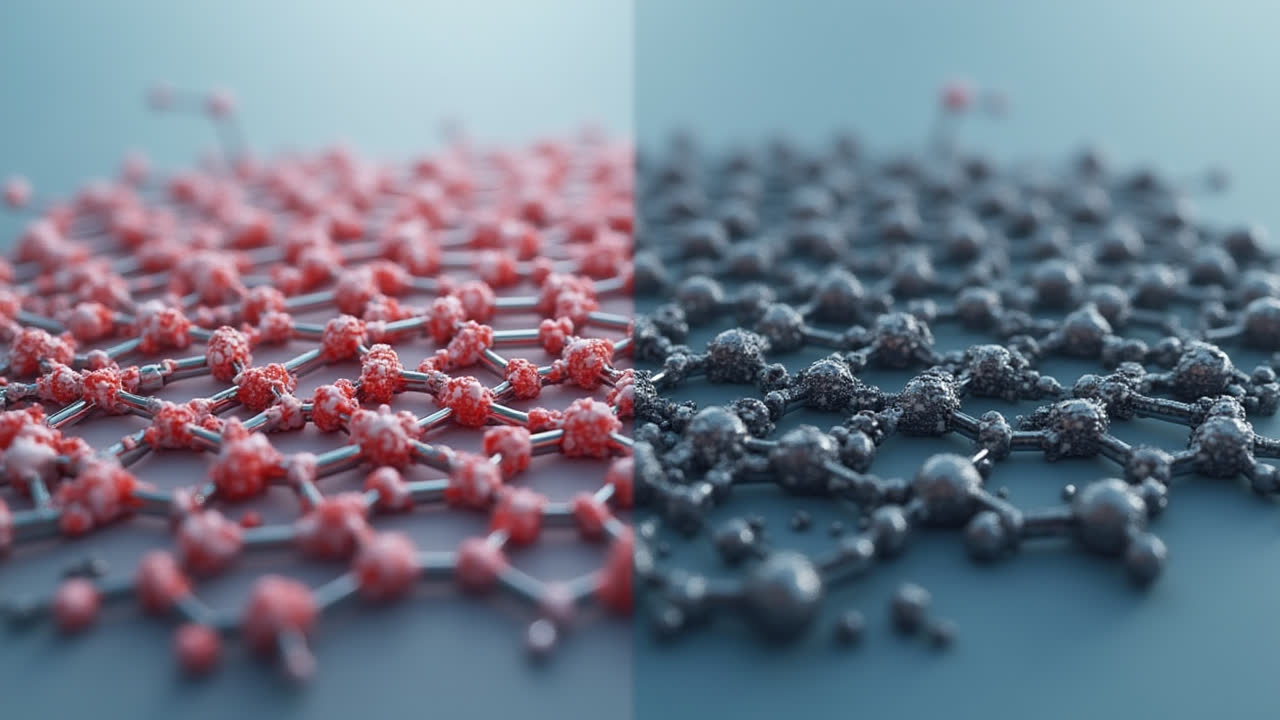
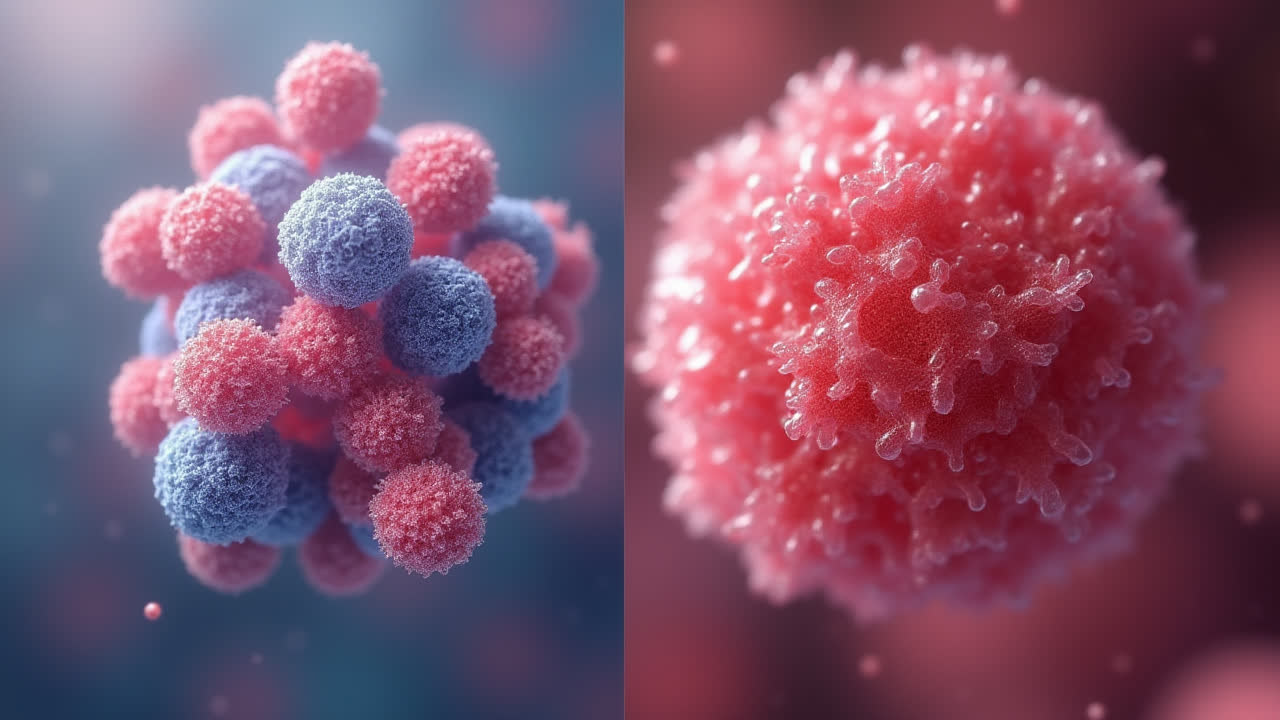
Picture this: fatty acids are like Lego blocks that can be attached to other molecular structures, while free fatty acids are those same blocks floating around independently. The main difference lies in their binding status—fatty acids can be bound to glycerol forming triglycerides, while free fatty acids are, well, free to roam!
Understanding Fatty Acids: The Building Blocks
Let me paint you a clearer picture. A fatty acid is essentially a molecule with a long hydrocarbon tail and a carboxyl group at one end. Think of it as a long chain with a hook at the end—that hook can attach to other molecules or remain unattached.
There are different types of fatty acids floating around in our bodies:
- Saturated fatty acids (like butter—solid at room temperature)
- Monounsaturated fatty acids (olive oil is a great example)
- Polyunsaturated fatty acids (omega-3s and omega-6s that everyone talks about)
The length also varies—short-chain (less than 6 carbons), medium-chain (6-12 carbons), and long-chain (more than 12 carbons). This diversity affects how our bodies use them, which is fascinating when you really dig into it.
Free Fatty Acids: The Independent Travelers
Now, let's talk about free fatty acids (FFAs). These are fatty acids that aren't bound to anything—they're single and ready to mingle, metabolically speaking. When you're fasting (like during that intermittent fasting craze?) or exercising intensely, your body breaks down triglycerides through a process called lipolysis, releasing these free fatty acids into your bloodstream.
What's really interesting is how these FFAs travel. They hook up with albumin (a blood protein) for transportation—like hitchhiking in the bloodstream. Once they reach their destination cells, they separate from albumin and get to work providing energy.
Comparison Table: Fatty Acid vs Free Fatty Acid
| Feature | Fatty Acid | Free Fatty Acid |
|---|---|---|
| Binding Status | Can be bound to glycerol, proteins, or other molecules | Unbound, exists in its liberated form |
| Primary Source | Dietary intake, synthesis within body | Breakdown of triglycerides via lipolysis |
| Transport Mechanism | Various, depending on bound form | Bound to albumin in bloodstream |
| Storage Form | Often stored as triglycerides | Generally not stored in this form |
| Primary Function | Energy storage, membrane component | Immediate energy source, signaling molecules |
| Cellular Accessibility | Must be released or processed | Readily available for cellular uptake |
| Membrane Permeability | Limited when bound | More easily crosses cell membranes |
| Blood Concentration | Varies based on dietary state | Fluctuates with metabolic demand |
Roles in Energy Metabolism
Here's where things get really interesting. When your body needs energy (like during that late-night workout you probably shouldn't have done), it taps into its fat stores. The process goes something like this:
First, triglycerides get broken down into glycerol and free fatty acids through lipolysis. These free fatty acids then travel to hungry cells—especially your heart muscle and liver—where they undergo beta-oxidation to produce acetyl-CoA, the fuel that keeps your cellular engines running.
Honestly, it's like having a backup generator system in your body. When glucose runs low, fatty acids step up to the plate. This is why athletes training for endurance events often practice "fat adaptation"—training their bodies to efficiently use fatty acids for energy.
Cell Membrane Structure and Function
Both fatty acids and free fatty acids play crucial roles in building cell membranes. Fatty acids, as part of phospholipids, create the flexible barriers that define our cells. The type of fatty acid determines membrane properties—saturated ones make membranes more rigid (think cold butter), while unsaturated ones keep them fluid (like olive oil at room temperature).
Free fatty acids can also be incorporated into membrane phospholipids, affecting membrane composition and thus cellular function. It's like choosing different materials for your house walls—each choice has specific consequences for insulation, flexibility, and maintenance.
Health Implications
The balance between fatty acids and free fatty acids affects our health in numerous ways. High levels of circulating free fatty acids can sometimes lead to insulin resistance—that's why controlling blood lipid levels is so important. On the flip side, having the right types of fatty acids in our diet can reduce inflammation and support brain health.
I've noticed in my own experience that when people understand this distinction, they make more informed choices about their diet. It's not just about "good fats" versus "bad fats"—it's about understanding how different forms of fats function in your body at different times.
Key Takeaways
So, to wrap this up, the difference between fatty acid and free fatty acid comes down to their binding status and availability. Fatty acids are the general term for these molecules, whether bound or free, while free fatty acids specifically refer to those that are unbound and ready for immediate use.
Understanding this distinction helps explain how our bodies manage energy stores, construct cell membranes, and respond to different metabolic demands. It's pretty amazing when you think about it—our bodies are constantly juggling these molecules to keep us functioning optimally.
Frequently Asked Questions
What happens to free fatty acids during exercise?
During exercise, especially prolonged activity, your body increases the release of free fatty acids from adipose tissue. These FFAs travel through the bloodstream to working muscles, where they're used for energy production. This process becomes more efficient with training, which is why endurance athletes can utilize fat so effectively as fuel.
Can diet affect the balance of fatty acids and free fatty acids?
Absolutely! Your diet significantly influences both fatty acid composition and free fatty acid levels. High-carbohydrate diets tend to promote fatty acid storage as triglycerides, while low-carb or ketogenic diets increase free fatty acid mobilization. The types of fats you consume also determine the quality of fatty acids available for energy and cellular functions.
Why do free fatty acid levels spike during fasting?
During fasting, insulin levels drop, which triggers hormone-sensitive lipase to break down triglycerides in adipose tissue. This process releases glycerol and free fatty acids into the bloodstream. The body does this to ensure a steady energy supply when dietary glucose isn't available, making those free fatty acids available to tissues that need energy.