Dijon Mustard vs Yellow Mustard: 8 Key Differences Explained
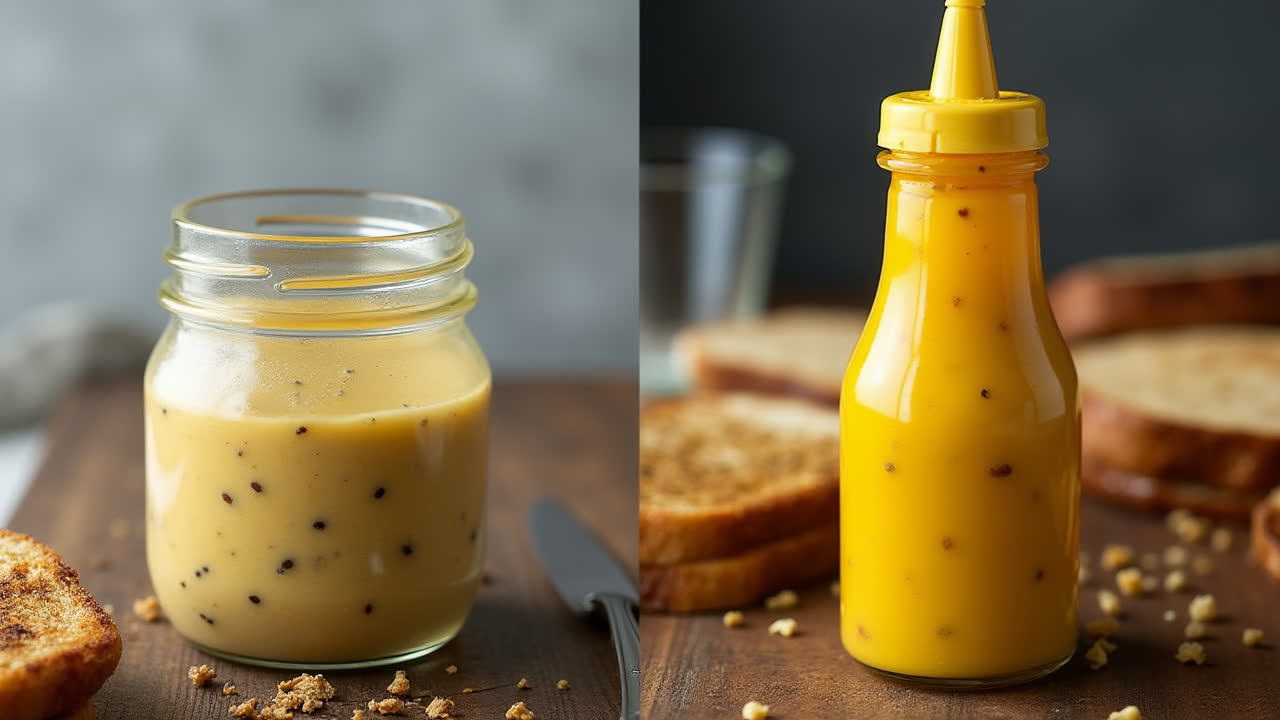
Have you ever stood in the condiment aisle, staring at the various mustard options and wondering what makes them different? Dijon mustard and yellow mustard might look similar at first glance, but these two popular condiments have distinct characteristics that set them apart. Understanding these differences can transform your sandwiches, dressings, and recipes.
I've spent years experimenting with different mustard varieties in my kitchen, and I've come to appreciate how each type can dramatically change a dish's flavor profile. Sometimes I reach for the bright, familiar yellow mustard for my backyard cookouts, while other times only the sophisticated tang of Dijon will do for an elegant vinaigrette.
This comprehensive guide will walk you through everything you need to know about these two popular mustard varieties. We'll explore their origins, ingredient differences, flavor profiles, culinary uses, and even nutritional considerations. By the end, you'll know exactly which mustard to choose for any culinary situation.
The Origins: A Tale of Two Mustards
The story of these mustards begins in two different parts of the world, which explains much about their distinctive characteristics.
Dijon mustard traces its roots to the city of Dijon in the Burgundy region of France. Its history dates back to the 13th century, but it was in 1856 when Jean Naigeon revolutionized the recipe by replacing the traditional vinegar with verjuice (the acidic juice of unripe grapes). This substitution created the smoother, more sophisticated flavor profile that Dijon mustard is known for today.
The Grey-Poupon brand, perhaps the most recognized name in Dijon mustard, was established in 1866 when Maurice Grey and Auguste Poupon combined their mustard-making expertise. Their recipe, which incorporated white wine rather than verjuice, became the standard for what we now consider traditional Dijon mustard.
On the other side of the Atlantic, yellow mustard has a more recent but equally interesting history. This American creation was introduced to the public at the 1904 St. Louis World's Fair by R.T. French Company. The bright yellow color, achieved by adding turmeric to the recipe, was designed to make hot dogs more visually appealing. This marketing genius worked—yellow mustard quickly became the condiment of choice for American barbecues, baseball games, and family cookouts.
Isn't it fascinating how these two condiments, born in different cultures and for different purposes, have both become kitchen staples worldwide? The history behind these mustards reflects the culinary values of their origins—French refinement versus American practicality and boldness.
Ingredients: What Goes Into Each Mustard
The distinct difference in taste and appearance between these two mustards starts with their ingredients. Let's break down what goes into each variety.
Dijon mustard typically contains:
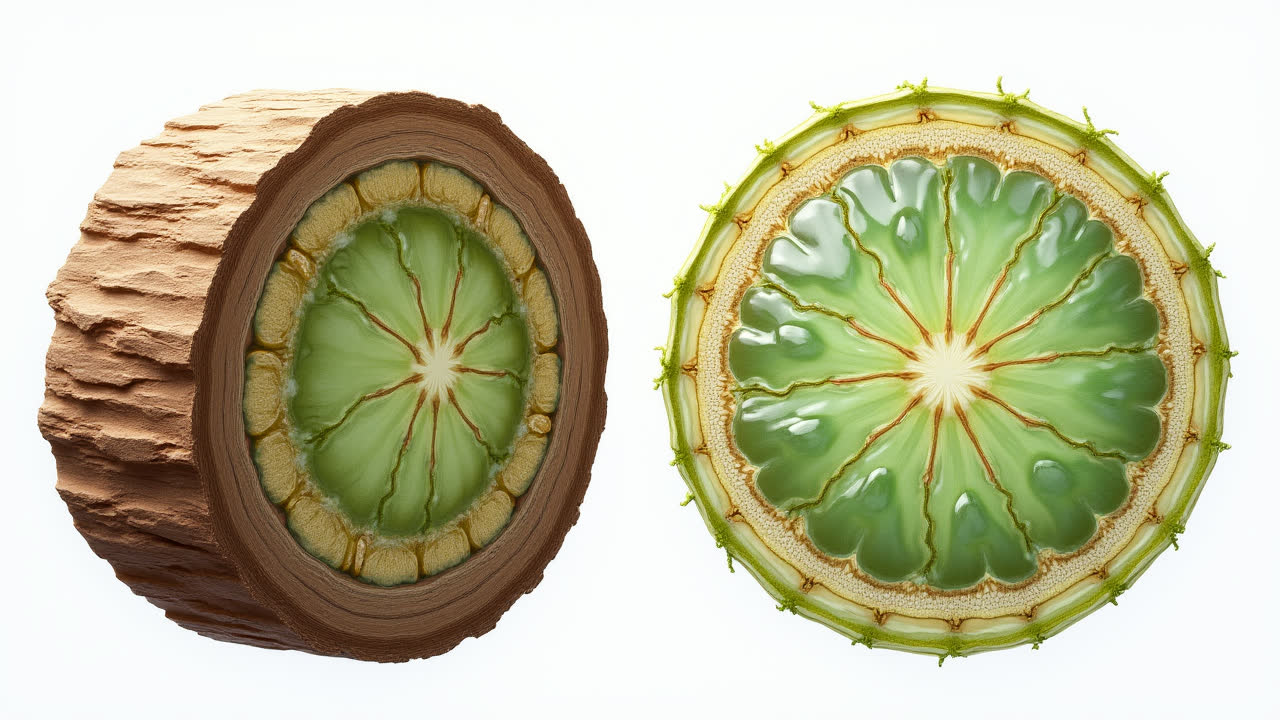
- Brown or black mustard seeds (Brassica juncea) - known for their stronger, more pungent flavor
- White wine or white wine vinegar - providing acidity and complexity
- Salt - enhancing the natural flavors
- Water - creating the proper consistency
- Sometimes spices like clove, cinnamon, or allspice - adding subtle complexity
Traditional Dijon mustard often used verjuice (green grape juice) instead of vinegar, which contributed to its distinctive tang. Modern commercial versions typically use white wine for a similar effect. The brown mustard seeds used in Dijon contain more sinigrin, a compound that creates a sharper, more intense flavor when the seeds are crushed.
In contrast, yellow mustard contains:
- White and yellow mustard seeds (Sinapis alba) - milder in flavor than brown seeds
- Distilled vinegar - providing a straightforward acidity
- Water - creating the proper consistency
- Salt - enhancing flavor
- Turmeric - primarily for color rather than flavor
- Sometimes paprika or other spices - for additional color and mild flavor
The key difference lies in both the type of seeds and the liquid used. Yellow mustard's white and yellow seeds are naturally milder, while the addition of turmeric gives it that characteristic bright color without significantly affecting the flavor. The simple distilled vinegar provides a clean, straightforward acidity compared to the more complex flavor profile of the white wine used in Dijon.
I remember my first attempt at making homemade mustard—I was surprised by how dramatically the choice of seeds affected the final product. When I used brown seeds instead of white, the mustard had a kick that almost made my eyes water! That's when I truly understood the fundamental difference between these two mustard varieties.
A Side-by-Side Comparison
| Characteristic | Dijon Mustard | Yellow Mustard |
|---|---|---|
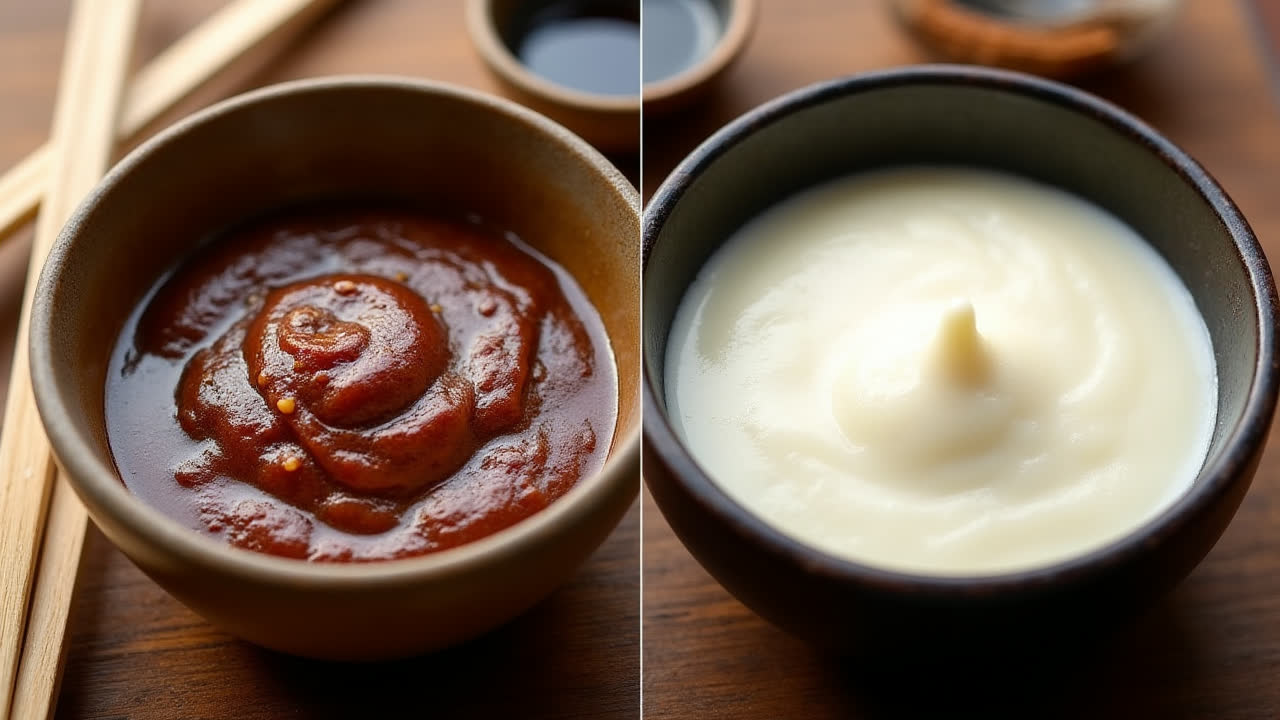
| Color | Pale yellow to light brown | Bright, vibrant yellow |
| Flavor Profile | Complex, tangy, sharp with subtle heat | Mild, straightforward with balanced acidity |
| Consistency | Smooth, slightly creamy | Smooth, slightly thick |
| Primary Seeds | Brown/black mustard seeds | White/yellow mustard seeds |
| Key Liquid | White wine or white wine vinegar | Distilled vinegar |
| Heat Level | Medium to high | Mild |
| Origin | Dijon, France | United States |
| Common Uses | Vinaigrettes, sauces, upscale sandwiches, marinades | Hot dogs, hamburgers, classic sandwiches, barbecue |
Flavor Profile: Tasting the Difference
When it comes to flavor, these two mustards offer distinctly different experiences. The taste difference is perhaps the most important factor when deciding which to use in your cooking.
Dijon mustard delivers a sophisticated, complex flavor profile with a pronounced tang and moderate heat that develops and lingers on the palate. The brown mustard seeds provide a pungent spiciness that can range from moderately hot to quite intense, depending on the specific brand and recipe. There's an underlying earthiness complemented by subtle wine notes that add depth and complexity.
The acidity in Dijon is balanced and integrated, never overwhelming the other flavor components. Some varieties may have hints of spice notes or even a touch of sweetness. The overall impression is one of refinement and complexity that evolves as you taste it. One moment you might notice the sharpness, then the subtle wine notes, followed by a lingering heat.
In contrast, yellow mustard offers a straightforward, milder flavor experience. Its taste is bright, clean, and distinctly vinegary with a mild mustard heat that doesn't linger for long. Despite its vibrant appearance, yellow mustard is actually the mildest of common mustard varieties. The overall flavor is uncomplicated and approachable, with the vinegar providing most of the characteristic tang.
Yellow mustard's simplicity is its strength—it adds a touch of acidity and mild mustard flavor without overwhelming other ingredients. This makes it perfect for applications where you want a touch of tang without complexity or significant heat. The turmeric, while primarily added for color, contributes only minimally to the flavor profile with a subtle earthiness.
I still remember serving both mustards side by side at a tasting party. My friend Tom, who claimed he couldn't tell the difference between mustards, took one taste of each and immediately exclaimed, "Wow, they're not even close to the same thing!" That's how distinctive their flavor profiles truly are.
Culinary Uses: When to Use Which Mustard
Knowing when to use each type of mustard can elevate your cooking from good to exceptional. Their distinctive flavor profiles make them suited for different culinary applications.
Dijon mustard shines in:
- Vinaigrettes and salad dressings - where its complex flavor creates depth
- Creamy sauces like béarnaise or mustard cream sauce for steak
- Marinades for meat, especially chicken and pork
- Upscale sandwiches and charcuterie boards
- Deviled eggs for a sophisticated twist
- Wine-based braising liquids for additional complexity
- Compound butters for finishing steaks or flavoring vegetables
Dijon's complexity allows it to hold its own in dishes with other strong flavors. Its heat and tanginess cut through richness, making it perfect for balancing fatty meats or creamy sauces. The subtle wine notes in Dijon also make it particularly compatible with wine-based recipes.
Meanwhile, yellow mustard excels in:
- Classic American sandwiches, hot dogs, and hamburgers
- Traditional potato salad, macaroni salad, and coleslaw
- Barbecue sauces and marinades for a subtle tang
- Classic deviled eggs with a milder flavor
- Homemade salad dressings where subtle mustard flavor is desired
- Binding ingredients in dishes like meatloaf or crab cakes
Yellow mustard's milder profile makes it more versatile in family-friendly dishes where you want a hint of tang without overwhelming heat or complexity. Its bright color can also add visual appeal to certain dishes.
There was this time I accidentally used yellow mustard instead of Dijon in a traditional French vinaigrette—let's just say my French friend noticed immediately! The vinaigrette lacked depth and seemed overly simple. That mistake taught me how dramatically the choice of mustard can impact even a basic recipe.
Nutritional Comparison: Health Considerations
While mustard choices are typically driven by flavor preferences, understanding the nutritional differences can be helpful, especially for those monitoring their diet.
Both mustard varieties are relatively low in calories and contain minimal fat, making them excellent flavor-boosting condiments for those watching their caloric intake. A typical one-teaspoon serving of either mustard contains only about 5-10 calories.
Dijon mustard generally contains slightly more sodium than yellow mustard, which might be a consideration for those on low-sodium diets. The difference isn't dramatic, but it can add up if you use mustard frequently.
Yellow mustard contains turmeric, which provides curcumin—a compound with potential anti-inflammatory and antioxidant properties. While the amount in yellow mustard is relatively small, it's an interesting nutritional bonus.
Both mustards contain beneficial compounds from the mustard seeds, including various minerals and antioxidants. They're free from added sugars (unlike honey mustard or sweet mustard varieties) and are generally considered beneficial condiment choices from a nutritional perspective.
I've found that making salad dressings with mustard allows me to reduce or eliminate oil in many recipes, as the emulsifying properties of mustard create a satisfying texture without the need for excessive fat. This has been a helpful technique in my own journey toward healthier eating habits.
Storage and Shelf Life: Keeping Your Mustard Fresh
Proper storage affects the flavor and longevity of both mustard varieties, though they're both relatively shelf-stable condiments.
Both Dijon and yellow mustard should be refrigerated after opening to maintain optimal flavor. While mustard's acidic nature means it's less prone to spoilage than many condiments, refrigeration helps preserve its flavor compounds and prevents the oils in the mustard seeds from degrading.
Unopened, commercially prepared mustards can last 1-2 years in a cool, dark pantry. Once opened, both varieties will maintain peak quality for about 6-8 months in the refrigerator, though they remain safe to consume much longer.
You may notice that Dijon mustard can sometimes develop a slightly darker color over time—this is normal and doesn't indicate spoilage. Yellow mustard, thanks to its turmeric content, tends to maintain its bright color longer.
If you notice your mustard separating with liquid on top, simply stir it back together—this natural separation doesn't mean the mustard has spoiled. However, if you spot mold, detect an off smell, or observe unusual discoloration, it's time to discard the mustard.
I learned this storage lesson the hard way when I left an expensive jar of imported Dijon in my pantry after opening it. Three months later, its once-vibrant flavor had dulled significantly. Now I always keep my opened mustards in the refrigerator door, where they're both accessible and properly preserved.
Making the Switch: Substituting in Recipes
Sometimes recipes call for one type of mustard when you only have the other on hand. Can you substitute? The answer depends on the recipe.
When substituting yellow mustard for Dijon, keep in mind that you'll lose some complexity and heat. This might be fine in simple applications like sandwiches but could significantly alter the character of sophisticated sauces or vinaigrettes. If a recipe relies on Dijon's emulsifying properties in a sauce, yellow mustard will still perform this function, but the flavor profile will be different.
When substituting Dijon for yellow mustard, be prepared for a more intense, complex flavor. In recipes where yellow mustard is meant to provide just a hint of tang (like in some barbecue sauces), you might want to use a smaller amount of Dijon to avoid overpowering the other ingredients.
For recipes where mustard is a central flavor component (like mustard-based salad dressings or mustard sauces for meat), I generally recommend against substitution, as the character of the dish will change significantly. However, for recipes where mustard plays a supporting role, substitution is usually workable with some adjustments.
My general rule is this: if the recipe specifically names a type of mustard in its title (like "Dijon Chicken" or "Yellow Mustard Potato Salad"), don't substitute. But if mustard is just one of many ingredients, feel free to use what you have, adjusting the quantity to account for differences in intensity.
Conclusion: Choosing Your Mustard
Both Dijon and yellow mustard have earned their places in culinary history for good reason. Each offers unique characteristics that make them valuable additions to your kitchen arsenal.
Dijon mustard, with its sophisticated heat and complex flavor profile, excels in gourmet cooking, adult-oriented dishes, and European-inspired cuisine. It adds depth and character to vinaigrettes, sauces, and marinades, and pairs beautifully with wine in cooking.
Yellow mustard, with its approachable mildness and bright appearance, remains perfect for classic American fare, family-friendly dishes, and recipes where a subtle tang is desired without overwhelming heat or complexity.
Rather than viewing one as superior to the other, consider them different tools in your culinary toolkit, each with its own purpose and strengths. I keep both varieties in my refrigerator at all times, reaching for each depending on the dish I'm preparing and the flavor profile I'm aiming to achieve.
The next time you're preparing a sandwich, mixing a dressing, or crafting a sauce, take a moment to consider which mustard variety would best complement your creation. This small decision can significantly impact the final character of your dish, transforming it from good to memorable.
What's your favorite way to use these mustard varieties? Do you have a preference, or do you, like me, find value in having both on hand? Whichever you choose, happy cooking!
Frequently Asked Questions
Can I substitute Dijon mustard for yellow mustard in recipes?
Yes, you can substitute Dijon for yellow mustard, but be aware that Dijon has a stronger, more complex flavor profile. When substituting, you may want to use slightly less Dijon than the amount of yellow mustard called for in the recipe. This substitution works well in most applications, though it will change the flavor profile of the dish. In recipes where mustard is a dominant flavor, the substitution will be more noticeable than in recipes where mustard is just one of many ingredients.
Is Dijon mustard healthier than yellow mustard?
Both Dijon and yellow mustard are relatively healthy condiment choices, with minimal calories and fat. Yellow mustard typically contains slightly less sodium than Dijon, which might be beneficial for those on low-sodium diets. Yellow mustard also contains turmeric, which provides curcumin with potential anti-inflammatory properties. However, the nutritional differences are minor, and both can be part of a healthy diet when used in moderation. The choice between them should be based primarily on flavor preference rather than nutritional considerations.
Why is Dijon mustard more expensive than yellow mustard?
Dijon mustard typically costs more than yellow mustard for several reasons. First, it often contains higher-quality ingredients, including white wine instead of regular vinegar. Second, the production process for traditional Dijon mustard is more complex and time-consuming. Third, many Dijon mustards are imported from France, adding shipping and import costs. Finally, the brown mustard seeds used in Dijon are generally more expensive than the white/yellow seeds used in American mustard. These factors combine to create a price difference, though affordable Dijon options are available from domestic producers.