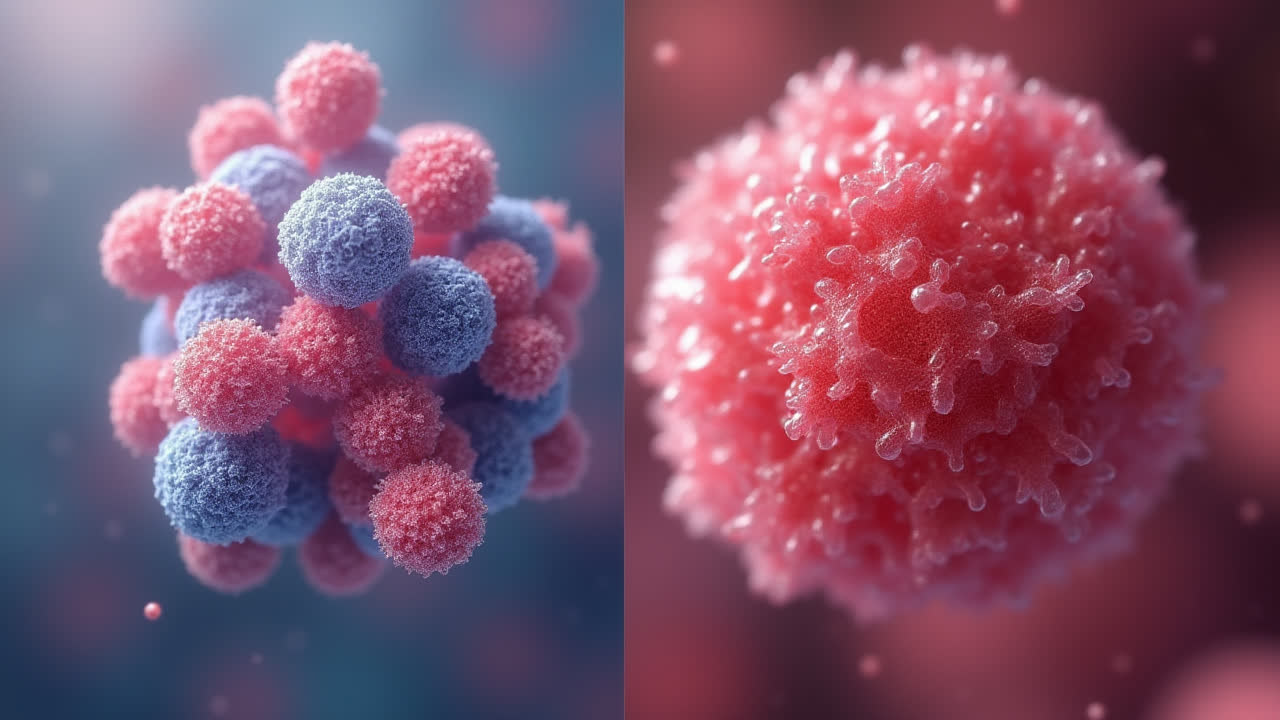
Digestion vs Assimilation: Understanding the Critical Differences
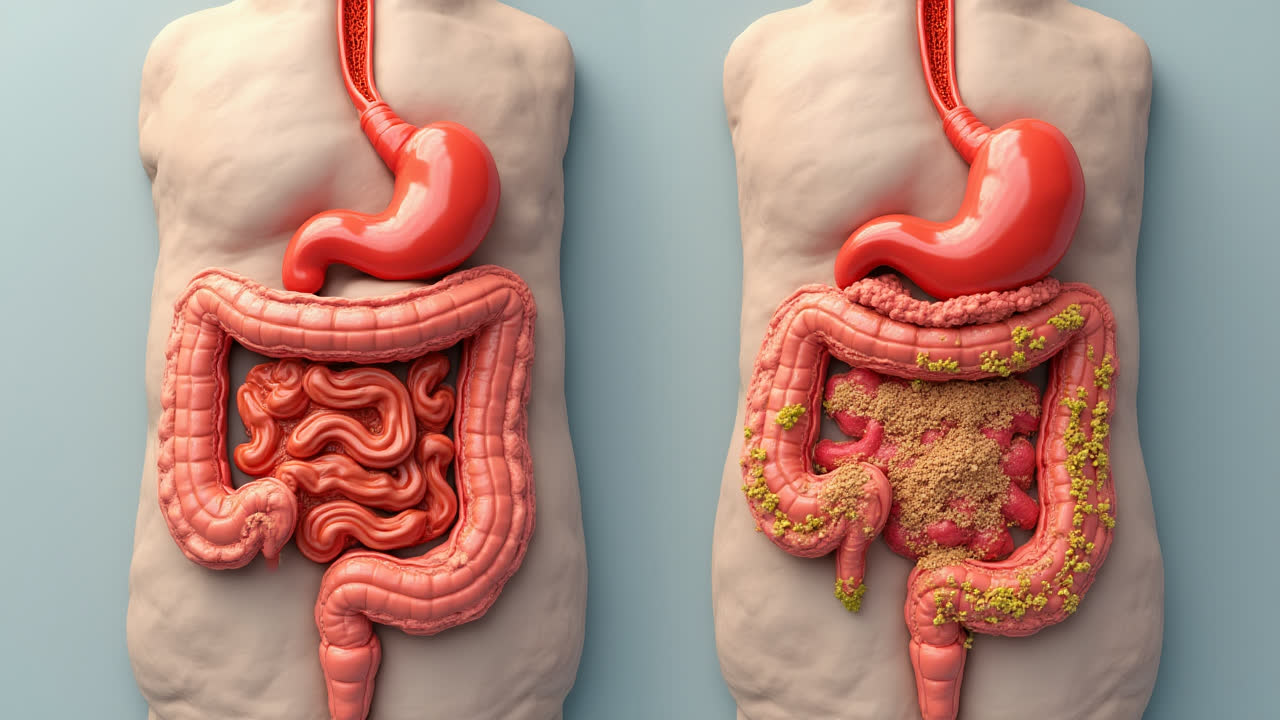
Have you ever wondered what happens to the food after you've eaten it? The journey from plate to energy is fascinating and complex. At the heart of this process are two distinct yet interconnected functions: digestion and assimilation. While these terms are often used interchangeably, they represent completely different steps in your body's nutrient processing system.
Understanding the difference between digestion and assimilation isn't just interesting biology trivia — it can help you make better dietary choices and appreciate how remarkably your body transforms food into life-sustaining energy. In this comprehensive guide, we'll explore both processes in detail, highlighting their unique characteristics and how they work together to keep you nourished.
Digestion breaks down the food we eat into smaller compounds that our bodies can absorb, while assimilation is the process through which our cells actually use these nutrients. Think of digestion as the preparation work and assimilation as the implementation. Let's dive deeper into each process to truly understand how our bodies make use of the nutrients we consume every day.
What is Digestion? The Breakdown Process Explained
Digestion is the intricate process by which your body breaks down food into smaller components that can be absorbed into your bloodstream. It's essentially a disassembly line, taking complex foods and reducing them to their simpler building blocks. This process begins the moment food enters your mouth and continues through various organs in your digestive system.
When you take that first bite, mechanical digestion begins. Your teeth crush and grind food into smaller pieces while your tongue mixes it with saliva. This isn't just for convenience — saliva contains amylase, an enzyme that begins breaking down carbohydrates right there in your mouth. Have you ever noticed that if you chew bread long enough, it starts to taste sweet? That's amylase converting starches into simpler sugars!
Once swallowed, your food travels down the esophagus through rhythmic muscle contractions called peristalsis. The real chemical breakdown begins in earnest when food reaches your stomach. Here, powerful contractions churn food while gastric juices containing hydrochloric acid and enzymes like pepsin attack proteins, unraveling their complex structures. The stomach essentially acts as a biological blender, turning your meal into a semi-liquid substance called chyme.
The small intestine is where the majority of digestion occurs. As chyme enters this 20-foot-long tube, it's met with digestive enzymes from the pancreas and bile from the gallbladder. These powerful secretions break down proteins into amino acids, carbohydrates into simple sugars, and fats into fatty acids and glycerol. The inner lining of the small intestine, with its millions of microscopic finger-like projections called villi, vastly increases the surface area available for absorption.
By the time digestion is complete, your pizza or salad has been transformed into molecules small enough to pass through the intestinal wall. What remains — indigestible fibers and other materials — moves into the large intestine, where water is absorbed and waste is prepared for elimination. The entire process of digestion can take anywhere from 24 to 72 hours, depending on what you've eaten.
What is Assimilation? Converting Food to Function
Assimilation follows digestion and represents the process by which your body actually uses the nutrients it has extracted and absorbed from food. If digestion is about breaking down, assimilation is about building up — taking those simple components and incorporating them into your body's tissues and functions. Without effective assimilation, even the most nutrient-rich diet would fail to nourish you properly.
The journey of assimilation begins as nutrients cross from the small intestine into the bloodstream. Different nutrients take different paths: most vitamins, minerals, amino acids, and simple sugars enter directly into the bloodstream, while fatty acids and fat-soluble vitamins travel through the lymphatic system before entering the blood. Have you ever felt an energy boost shortly after eating carbohydrates? That's glucose being quickly assimilated and used by your cells!
Once in circulation, nutrients are transported to the liver — the body's main chemical processing plant. Here, substances are further processed, stored, or redirected to where they're needed most. The liver acts as a gatekeeper, ensuring toxins are filtered out while beneficial compounds are prepared for use. It's remarkable to think that your liver makes over 500 vital bodily functions possible, many related to assimilation!
The final stage of assimilation occurs at the cellular level, where nutrients are actually put to use. Cells throughout your body selectively absorb what they need from the bloodstream: glucose for energy production, amino acids for protein synthesis, fatty acids for cell membrane maintenance, and various vitamins and minerals for enzymatic reactions. Through a process called cellular respiration, your cells convert glucose and oxygen into energy, carbon dioxide, and water.
Assimilation isn't a uniform process — it varies based on your body's current needs. After exercise, your muscles may prioritize glycogen replenishment; during growth phases, protein assimilation for tissue building takes precedence; during pregnancy, nutrients are directed toward fetal development. This adaptability ensures resources go where they're most needed at any given time.
Key Differences Between Digestion and Assimilation
While digestion and assimilation work in tandem, they represent distinct physiological processes with different purposes, mechanisms, and locations within the body. Understanding these differences helps clarify how your body processes the foods you eat from start to finish.
| Comparison Point | Digestion | Assimilation |
|---|---|---|
| Definition | The process of breaking down food into simpler, absorbable components | The process by which absorbed nutrients are utilized for energy, growth, and repair |
| Primary Function | Breakdown and reduction of complex food molecules | Utilization and incorporation of nutrients into body systems |
| Order in Process | Occurs first in the nutrient processing sequence | Follows digestion and absorption |
| Primary Location | Gastrointestinal tract (mouth, stomach, intestines) | Throughout the body, primarily at cellular level |
| Key Mechanisms | Mechanical (chewing, churning) and chemical (enzymes, acids) breakdown | Cellular uptake, metabolic processes, and biochemical synthesis |
| Duration | 24-72 hours from ingestion to elimination | Continuous process occurring over varying timeframes |
| End Products | Simple sugars, amino acids, fatty acids, glycerol, vitamins, minerals | Energy (ATP), new cells, tissues, hormones, enzymes |
| Control Systems | Primarily nervous and hormonal controls like gastrin and CCK | Hormonal regulators like insulin, cellular signals, and genetic factors |
The Interconnection: How Digestion and Assimilation Work Together
Though distinct processes, digestion and assimilation function as parts of a seamless continuum. The effectiveness of one directly impacts the other, creating an interdependent relationship that ultimately determines how well your body can extract and use nutrients from food. This partnership is what transforms your morning oatmeal into sustained energy and building blocks for cell repair.
The bridge between these processes is absorption — the movement of digested nutrients from the gastrointestinal tract into the bloodstream. Without proper digestion, nutrients remain in forms too large to be absorbed. Conversely, even perfectly digested nutrients provide no benefit if they can't be assimilated by cells. Sometimes I'm amazed at how precisely these systems must work together for optimal health!
Several factors can affect both digestion and assimilation simultaneously. Stress, for instance, can reduce blood flow to digestive organs while also altering cellular metabolism. Certain diseases like celiac disease damage the intestinal villi, impairing both the final stages of digestion and the absorption necessary for assimilation. Even medications can have dual effects, such as antibiotics that disrupt gut bacteria important for digestion while also affecting how cells process certain nutrients.
The timing between these processes varies by nutrient type. Carbohydrates typically digest and assimilate quickly, providing rapid energy. Proteins take longer to break down and even longer to be assimilated into new tissues. Fats are generally the slowest, which is why high-fat meals tend to satisfy hunger for extended periods. This staggered timing actually benefits us by providing both immediate and sustained nutrient availability.
Understanding this interconnection helps explain why nutritional health isn't just about what you eat, but also about your body's ability to process what you've eaten. Someone with excellent digestive function but poor assimilation (as might occur with certain metabolic disorders) may still experience nutritional deficiencies despite a perfect diet. Likewise, impaired digestion can lead to malnutrition even when cellular assimilation functions normally.
Common Issues Affecting Digestion and Assimilation
Both digestion and assimilation can be disrupted by various conditions, leading to nutritional problems and discomfort. Recognizing these issues can help you identify when your nutrient processing system isn't working optimally and take appropriate steps to address the underlying causes.
Digestive Disorders
- Gastroesophageal Reflux Disease (GERD) - When stomach acid frequently flows back into the esophagus, causing heartburn and potentially interfering with the initial stages of digestion
- Inflammatory Bowel Disease - Conditions like Crohn's disease and ulcerative colitis that cause inflammation in the digestive tract, impairing normal digestive functions
- Gallstones - Can block the release of bile, which is essential for fat digestion
- Pancreatic Insufficiency - When the pancreas doesn't produce enough digestive enzymes, particularly affecting fat and protein digestion
Assimilation Disorders
- Diabetes - Affects how cells assimilate glucose due to insulin resistance or insufficient insulin production
- Phenylketonuria (PKU) - A genetic disorder that prevents proper assimilation of the amino acid phenylalanine
- Hemochromatosis - Causes excessive iron assimilation and storage, potentially damaging organs
- Malabsorption Syndromes - Conditions that affect the absorption stage between digestion and assimilation, such as celiac disease or short bowel syndrome
Medications can also significantly impact both processes. Antacids reduce stomach acid, potentially hindering protein digestion. Some blood pressure medications can affect nutrient absorption in the intestines. Chemotherapy can damage rapidly dividing cells, including those lining the digestive tract, disrupting both digestion and assimilation.
Lifestyle factors play a major role too. Chronic stress activates the "fight or flight" response, diverting blood flow away from digestive organs. Rushed eating leads to poor mechanical digestion in the mouth. Lack of physical activity slows intestinal motility, while regular exercise generally promotes better digestion and cellular assimilation of nutrients.
Age-related changes affect these processes as well. As we age, our bodies typically produce fewer digestive enzymes and stomach acid, while cellular assimilation may become less efficient due to changes in membrane permeability and metabolic rate. This is one reason why nutritional needs and dietary recommendations change throughout the lifespan.
Frequently Asked Questions
How does the body know which nutrients to assimilate and which to eliminate?
Your body has sophisticated mechanisms for selectively absorbing and assimilating nutrients. The small intestine has specialized transport proteins that recognize specific nutrients and facilitate their absorption. For example, amino acid transporters only allow certain amino acids to cross the intestinal barrier. Once nutrients enter the bloodstream, cells have similar selective mechanisms, like insulin-dependent glucose transporters that regulate sugar uptake. The liver further refines this selection by metabolizing toxins and regulating nutrient levels in the blood. Waste products and undigested materials naturally continue through the digestive tract for elimination. This intricate system ensures your body retains what it needs while removing what it doesn't.
Can improving digestion enhance nutrient assimilation?
Yes, improving digestion often leads to better nutrient assimilation. When food is properly broken down, the resulting smaller molecules are more readily absorbed into the bloodstream and subsequently available for cellular use. Several strategies can enhance digestion: chewing food thoroughly increases surface area and mixing with digestive enzymes; eating in a relaxed state activates the parasympathetic "rest and digest" nervous system; consuming bitter foods or herbs may stimulate digestive secretions; and spacing meals appropriately allows complete processing of each meal. Digestive enzyme supplements can help those with specific enzyme deficiencies. However, it's important to address any underlying digestive disorders with appropriate medical care, as supplements alone cannot correct significant physiological issues.
How does gut bacteria affect digestion and assimilation?
The trillions of bacteria in your gut play crucial roles in both digestion and assimilation. For digestion, certain gut bacteria produce enzymes that help break down complex carbohydrates and fibers that human enzymes cannot process. They also assist in the breakdown of proteins and the metabolism of bile acids, which are essential for fat digestion. In terms of assimilation, gut bacteria produce short-chain fatty acids that nourish colon cells and influence systemic metabolism. They synthesize certain B vitamins and vitamin K, which can then be absorbed and used by the body. Additionally, a healthy gut microbiome helps maintain the integrity of the intestinal barrier, preventing inflammation that could impair nutrient absorption. Research increasingly shows that imbalances in gut bacteria (dysbiosis) can contribute to various digestive disorders and metabolic conditions, highlighting the importance of maintaining diverse gut flora through diet, lifestyle, and judicious use of antibiotics.
Conclusion: The Synergy of Breakdown and Utilization
Digestion and assimilation represent two sides of the same nutritional coin. Digestion breaks down food into usable components, while assimilation puts those components to work within the body. Understanding the difference between these processes highlights how our bodies transform what we eat into who we are, quite literally.
This knowledge gives us a deeper appreciation for the complexity of human nutrition. It's not just what foods we consume that matters, but how effectively our bodies can process them at every stage. Optimizing both digestion and assimilation through diet, lifestyle, and appropriate medical care when needed can help ensure we get the maximum benefit from every bite we take.
As you sit down for your next meal, take a moment to appreciate the remarkable journey that food is about to embark on — from the mechanical grinding of your teeth to the microscopic chemical reactions inside your cells. This continuous, interconnected process of digestion and assimilation keeps you alive, energized, and constantly renewing at the cellular level. Now that's food for thought!