Customer vs Consumer: Key Differences Explained (2026 Guide)
Who is a Customer? Definition and Characteristics
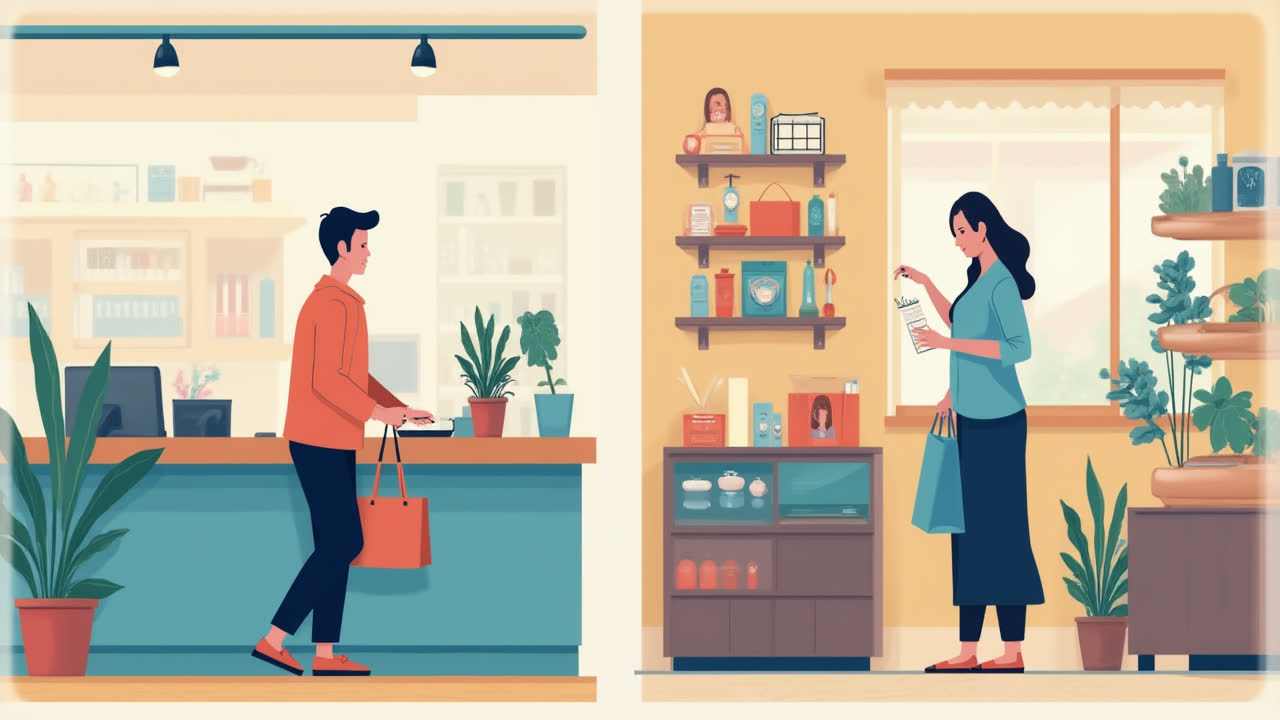
A customer is the person who pays for and purchases products or services from a business or producer. This definition highlights the transactional relationship - customers are the ones who open their wallets and make the buying decision. They are the direct target of most marketing and sales activities.
Customers play a crucial role in the business ecosystem. They provide businesses with revenue through their purchases, which enables companies to continue operating and growing. Think about your own experiences - when you walk into a store or shop online, you become a customer the moment you decide to make a purchase.
Interestingly, a customer isn't always the end user of a product. For example, a parent buying toys for their child is the customer, but the child who plays with the toys is the consumer. This distinction is particularly important for businesses to understand when developing their marketing strategies.
Types of Customers
Customers generally fall into two main categories:
- Entrepreneurs or traders - These are individuals or businesses who purchase goods for resale. They act as commercial intermediaries in the supply chain, connecting producers to end users.
- End users or ultimate customers - These individuals purchase products for personal use or for someone else. They don't resell the items but either consume them personally or give them to others.
Who is a Consumer? Definition and Characteristics
A consumer is the person who actually uses or consumes the products or services. While the customer makes the purchase, the consumer experiences the actual value of what was bought. They're the ones who can truly judge the quality and performance of a product or service.
Consumers form opinions based on their experiences with products and services. These opinions can significantly influence future purchasing decisions, whether they're making the purchases themselves or influencing others. Have you ever tried a friend's new gadget and then decided to buy one for yourself? That's consumer experience driving customer behavior!
In today's digital age, consumer opinions have become more powerful than ever. Through online reviews, social media posts, and word-of-mouth recommendations, consumers can impact the buying decisions of countless potential customers. This is why businesses increasingly focus on gathering consumer feedback through surveys and reports.
The relationship between consumers and the economy is symbiotic. Without consumer demand, there would be little reason for producers to create goods and services. At the same time, without production, consumers wouldn't have access to the products they desire. This interdependence forms the foundation of modern economic systems.
The Relationship Between Customers and Consumers
The relationship between customers and consumers is fascinating and complex. In many cases, the customer and consumer are the same person - think about when you buy a coffee for yourself or purchase clothing for personal use. However, there are numerous situations where the customer and consumer are different individuals.
When the customer and consumer are different people, an interesting dynamic emerges. The consumer's opinions and experiences often influence the customer's future purchasing decisions. For instance, if you buy a toy for a child and they don't enjoy playing with it, you're unlikely to purchase a similar toy in the future. This feedback loop creates a connection between consumer experience and customer behavior.
Business strategies often need to target both customers and consumers, especially when they're different people. Marketing messages might focus on convincing the customer to make the purchase, while product design focuses on creating a positive experience for the consumer. Can you think of examples where you've noticed this dual approach in advertising campaigns?
Comparative Analysis: Customer vs Consumer
Let's examine the key differences between customers and consumers in a structured format to better understand their unique characteristics and roles:
| Comparison Factor | Customer | Consumer |
|---|---|---|
| Definition | Person who purchases products or services | Person who uses or consumes products or services |
| Primary Role | Makes purchasing decisions and payments | Experiences and evaluates product quality |
| Business Focus | Target of marketing and sales activities | Target of product development and quality assurance |
| Economic Impact | Directly affects revenue through purchases | Indirectly affects demand through experience and feedback |
| Information Gathered | Purchasing patterns, transaction data | Usage patterns, product reviews, satisfaction levels |
| Decision Influence | Influenced by marketing, pricing, and availability | Influenced by product quality, usability, and performance |
| Business Relationship | Direct financial relationship with seller | Experience-based relationship with product/service |
| Examples | Parent buying toys, procurement officer | Child playing with toys, department using supplies |
Why Understanding the Difference Matters in Business
Distinguishing between customers and consumers isn't just an academic exercise - it has real implications for business strategy and success. Companies that recognize and address the needs of both groups tend to outperform those that focus exclusively on one or the other.
For marketing professionals, understanding this distinction can lead to more effective campaigns. When customers and consumers are different people, marketing messages need to address the concerns of both groups. For example, children's products need to appeal to both the parent (customer) who makes the purchase and the child (consumer) who uses the product.
Product development teams also benefit from recognizing this difference. They must create products that not only convince customers to make the initial purchase but also satisfy consumers enough to generate repeat business and positive word-of-mouth. I've personally seen businesses falter when they focus too heavily on attracting customers without considering the consumer experience.
In the digital age, the line between customers and consumers has become increasingly blurred. With the rise of subscription services, freemium models, and user-generated content, individuals often play both roles simultaneously. This evolution has created new challenges and opportunities for businesses trying to navigate the customer-consumer relationship.
Frequently Asked Questions
Can a person be both a customer and a consumer?
Yes, a person can definitely be both a customer and a consumer. In fact, this is quite common in everyday situations. When you purchase a coffee for yourself, you're the customer who pays for it and the consumer who drinks it. Similarly, when you buy clothes for personal use or subscribe to a streaming service that you watch, you're acting as both the customer and the consumer. However, in many business contexts, especially B2B (business-to-business) scenarios, the customer and consumer are often different entities or individuals.
How do businesses track consumer behavior differently from customer behavior?
Businesses track customer and consumer behavior using different metrics and methodologies. Customer behavior is typically tracked through transaction data, purchase history, average order value, frequency of purchases, and conversion rates. These metrics focus on the buying process itself. Consumer behavior, on the other hand, is tracked through usage statistics, time spent with products, feature adoption rates, customer satisfaction surveys, product reviews, and social media sentiment. Many companies use customer relationship management (CRM) systems to track customer data and user experience (UX) research methods to understand consumer behavior.
Why is the customer-consumer distinction particularly important in B2B markets?
In B2B markets, the customer-consumer distinction is particularly significant because the purchasing decision-maker (customer) is almost always different from the end-users (consumers). For example, an IT department might purchase software that will be used by employees across the organization. The purchasing decision involves factors like budget considerations, integration capabilities, and security features, while consumer satisfaction depends on usability, performance, and how well the software solves day-to-day problems. Successful B2B companies develop strategies that address both the procurement team's concerns and the end users' needs, often involving different marketing materials, sales approaches, and product features for each group.
Conclusion: Balancing Customer Acquisition and Consumer Satisfaction
The difference between customer and consumer is more than just semantics. A customer is the person who buys products or services, while a consumer is the person who uses them. While these can often be the same person, they're frequently different, creating complex dynamics that businesses must navigate.
Successful businesses recognize the importance of both roles and develop strategies that address the needs of customers and consumers alike. By balancing customer acquisition with consumer satisfaction, companies can create sustainable growth and build strong brand loyalty.
As you consider your own business strategies or personal purchasing decisions, remember this key distinction. Are you targeting the right group with your marketing messages? Are you considering both the buyer's concerns and the end user's experience? By keeping these questions in mind, you'll be better equipped to navigate the complex world of consumer economics.