Convergent vs Divergent Evolution: Key Differences Explained
Understanding Evolutionary Mechanisms
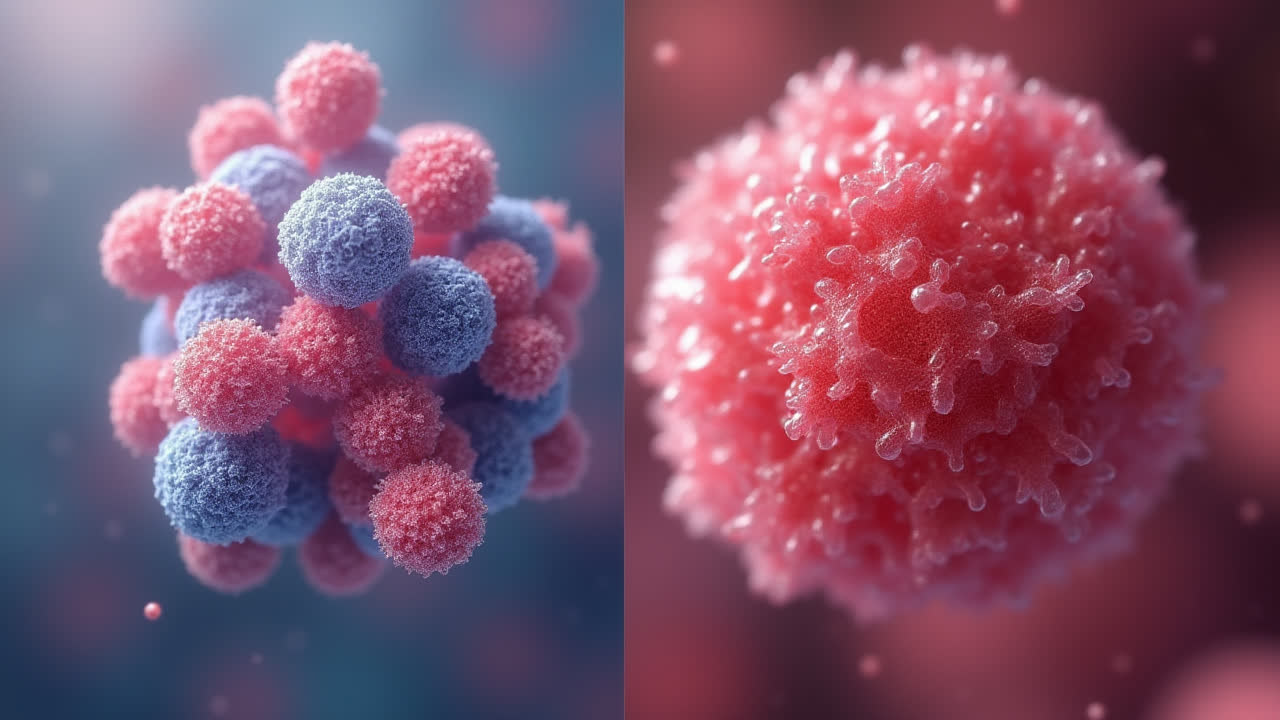
Evolution stands as one of nature's most fascinating phenomena, shaping the incredible diversity of life we see around us. When we look at the various mechanisms that drive evolutionary change, convergent and divergent evolution emerge as two fundamental processes that have sculpted life on Earth. These evolutionary pathways explain how species develop similarities and differences over time, providing crucial insights into the complex tapestry of life's history.
I've always been captivated by how these evolutionary forces work in opposite yet complementary ways. While teaching biology, I noticed students often confuse these concepts, so let's break them down in simple terms. Evolution isn't just a historical concept—it's an ongoing process happening all around us, continually reshaping species in response to environmental pressures and opportunities.
The remarkable diversity of life forms we observe today didn't appear spontaneously but evolved gradually through various mechanisms. Among these mechanisms, convergent and divergent evolution play critical roles in creating both similarities and differences between species. These processes explain why distantly related organisms sometimes look surprisingly similar, while closely related species can appear wildly different. But what exactly drives these evolutionary patterns, and how do they differ from each other?
What is Convergent Evolution?
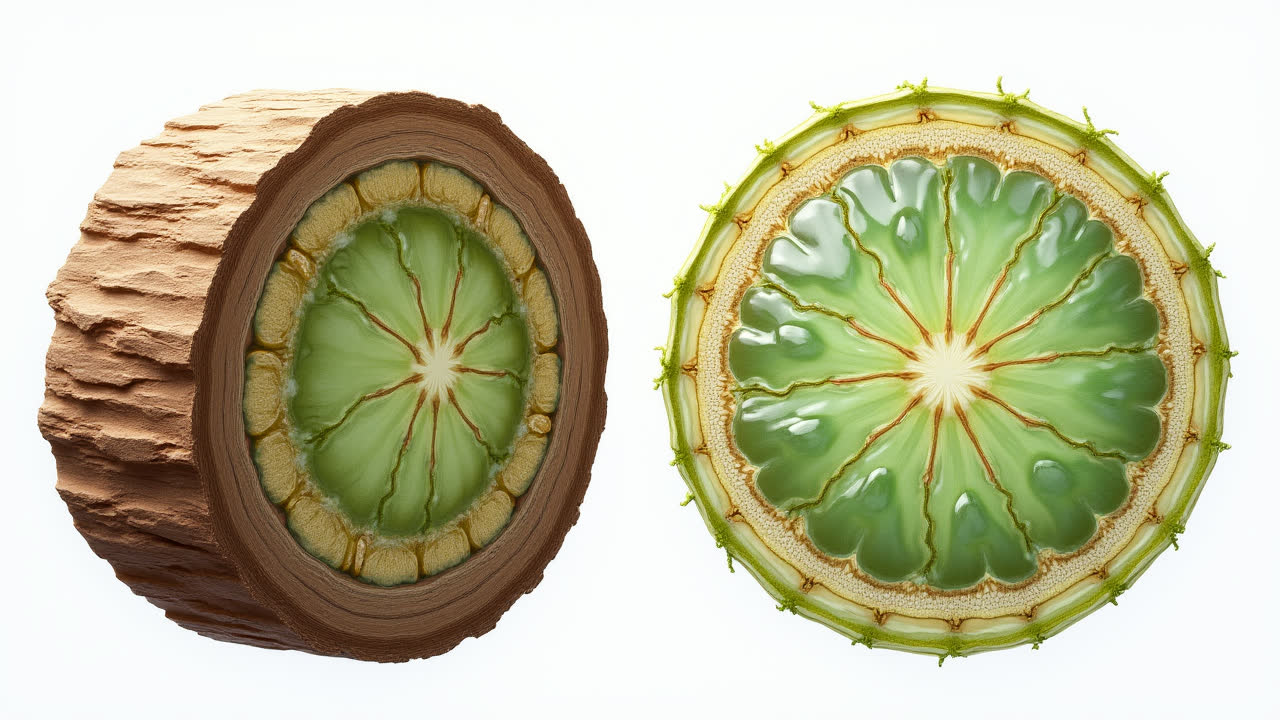
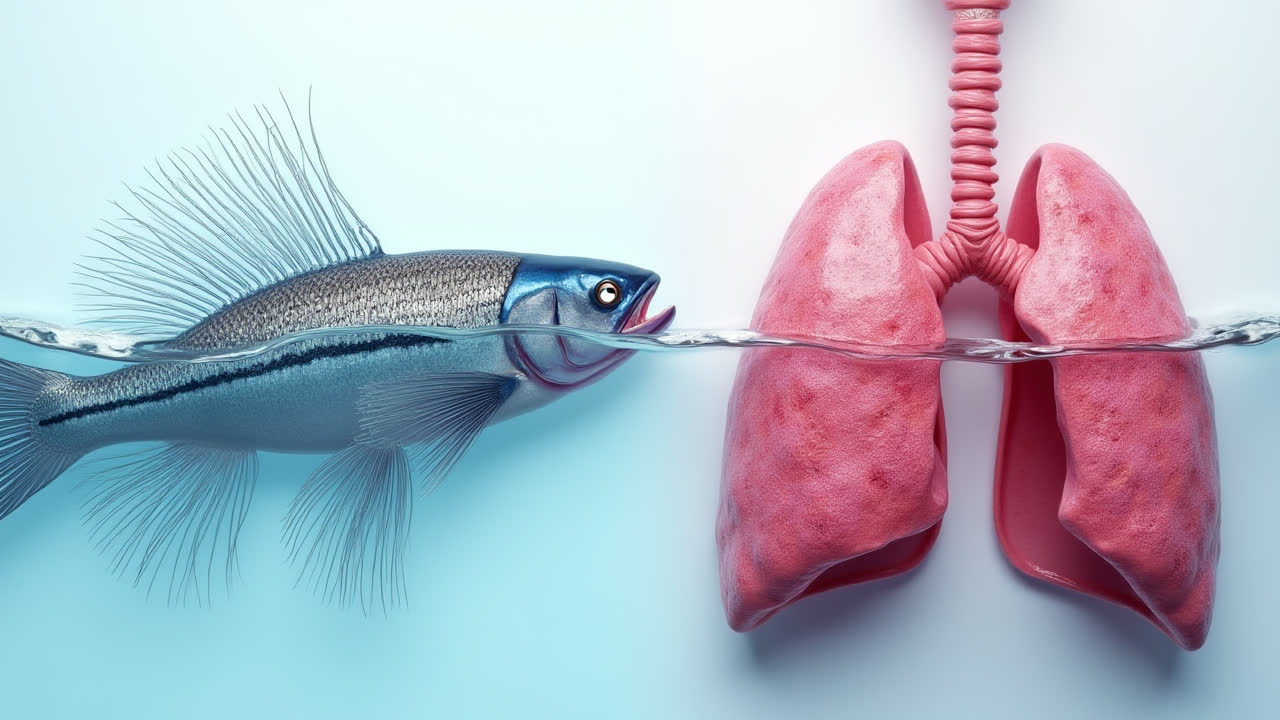
Convergent evolution occurs when unrelated or distantly related organisms develop similar traits or structures independently as adaptations to similar environmental challenges. This fascinating process results in what biologists call analogous structures—features that serve similar functions but evolved from different ancestral structures. The classic example I always share with my students involves sharks and dolphins. Despite sharks being fish and dolphins being mammals, they've both evolved streamlined, torpedo-shaped bodies with dorsal fins—perfect adaptations for swift movement through water.
This evolutionary process demonstrates how selective pressures from similar environments can drive unrelated species toward comparable solutions. Think about it like this: when faced with the same problem (how to move efficiently through water), evolution found similar answers in different species, despite their distinct evolutionary histories. It's a bit like two inventors independently coming up with similar designs for the same problem without ever meeting or sharing ideas.
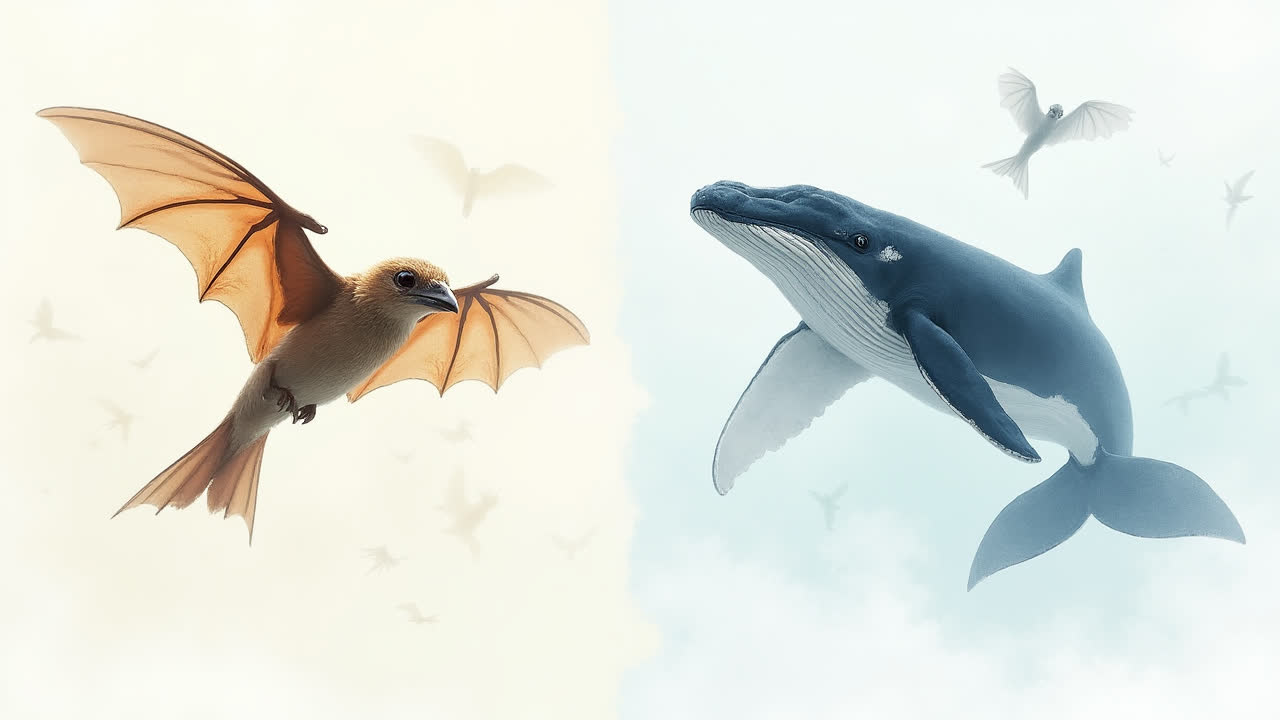
Other fascinating examples of convergent evolution include the wings of birds, bats, and extinct pterosaurs, all independently evolved for flight but from completely different ancestral limbs. The camera-like eyes of vertebrates and cephalopods (like octopuses) represent another striking example, having evolved completely independently yet sharing remarkable functional similarities. Desert plants from different continents have also convergently evolved similar water-storage tissues and protective spines, despite being only distantly related.
What I find most remarkable about convergent evolution is how it reveals that there are often optimal solutions to environmental challenges—nature's way of showing that form follows function. When organisms face similar selective pressures, they may independently evolve toward similar adaptations, even if their starting points were entirely different. This process creates a kind of biological convergence that helps us understand the predictable aspects of evolution.
What is Divergent Evolution?
Divergent evolution represents the opposite process—when a single ancestral species splits into two or more distinct species that become increasingly different over time. This evolutionary mechanism begins with populations of a single species that become separated, often by geographical barriers like mountains, rivers, or oceans. Once isolated, these populations face different environmental conditions and selective pressures, leading them to adapt in separate ways.
I remember visiting the Galapagos Islands years ago and witnessing Darwin's finches firsthand—the classic textbook example of divergent evolution. These birds descended from a common ancestor but adapted to different ecological niches across the islands, developing various beak shapes and sizes specialized for different food sources. Some evolved deep, powerful beaks for cracking nuts and seeds, while others developed long, narrow beaks perfect for probing flowers for nectar or extracting insects from bark.
Another well-known example is the adaptive radiation of cichlid fishes in African lakes, where hundreds of species evolved from a common ancestor, diversifying to fill virtually every available ecological niche in these isolated aquatic environments. The diversity of mammals provides yet another dramatic example—from whales to bats to elephants, all mammals share a common ancestor but have diverged dramatically in form and function as they adapted to different lifestyles and environments.
Divergent evolution produces what biologists call homologous structures—features in different species that share a common developmental origin and basic structural pattern, even if they now serve different functions. The forelimbs of vertebrates offer a perfect example: the human arm, bat wing, whale flipper, and horse leg all derived from the same ancestral limb structure but have been modified through evolution for different purposes. When examining these structures, you can still identify the same fundamental bones, just reshaped and resized to serve new functions.
Key Differences Between Convergent and Divergent Evolution
| Characteristic | Convergent Evolution | Divergent Evolution |
|---|---|---|
| Basic Definition | Unrelated species develop similar traits | Related species develop different traits |
| Ancestral Relationship | Different ancestors | Common ancestor |
| Environmental Conditions | Similar environments | Different environments |
| Resulting Structures | Analogous structures | Homologous structures |
| Effect on Biodiversity | Creates similar traits in different lineages | Increases overall biodiversity |
| Evolutionary Direction | Different species become more similar | Related species become more different |
| Primary Mechanism | Similar selective pressures | Different selective pressures or genetic drift |
| Famous Examples | Shark and dolphin body shapes; wings of birds and bats | Darwin's finches; mammalian forelimbs |
Significance in Evolutionary Biology
Both convergent and divergent evolution play critical roles in shaping biodiversity and helping scientists understand evolutionary relationships. These processes reveal important insights about how natural selection operates and how species adapt to their environments over time. When I discuss these concepts with fellow biologists, we often note how they represent two sides of the same evolutionary coin—one bringing unrelated species toward similar forms, the other driving related species toward different forms.
Convergent evolution provides powerful evidence for natural selection by demonstrating how similar environmental pressures can shape unrelated organisms in similar ways. It suggests that there are often optimal solutions to ecological challenges, leading to predictable evolutionary outcomes. This concept helps biologists understand that evolution isn't entirely random but follows certain patterns dictated by environmental constraints and functional requirements.
On the other hand, divergent evolution highlights how biodiversity arises and reveals the remarkable adaptability of life. It shows how a single ancestral form can diversify into myriad descendants adapted to different niches, illustrating the creative power of natural selection when operating in diverse environments. This process is fundamental to speciation—the formation of new species—and explains much of the incredible diversity we see across the tree of life.
Together, these evolutionary mechanisms help scientists reconstruct evolutionary relationships and understand the complex history of life on Earth. By distinguishing between analogous structures (from convergent evolution) and homologous structures (from divergent evolution), evolutionary biologists can better determine which similarities between species reflect common ancestry and which represent independent adaptations to similar environments. This distinction is crucial for building accurate phylogenetic trees and understanding the true relationships between different organisms.
Real-World Examples and Case Studies
Classic Examples of Convergent Evolution
- Wings in birds, bats, and insects
- Camera-type eyes in vertebrates and cephalopods
- Streamlined bodies in sharks, dolphins, and ichthyosaurs
- Cactus-like forms in American cacti and African euphorbias
- Saber-tooth adaptations in marsupial and placental carnivores
Notable Examples of Divergent Evolution
- Darwin's finches on the Galapagos Islands
- Cichlid fish species in African rift lakes
- Marsupial mammals in Australia vs. placental mammals elsewhere
- Hawaiian silversword plants
- Mammalian forelimb adaptations (wing, flipper, leg, arm)
During my research trips to Madagascar, I've witnessed firsthand how isolation has driven divergent evolution on this island. Species here have evolved in isolation for millions of years, producing unique lineages found nowhere else on Earth. Similarly, when studying marine organisms along different coastlines, I've been struck by the convergent adaptations that have evolved independently in response to similar coastal conditions, despite being continents apart.
These real-world examples provide compelling evidence for both evolutionary processes and demonstrate how these mechanisms have shaped the incredible diversity of life we see today. They also show that evolution is not just a theoretical concept but a observable phenomenon with tangible examples all around us.
Frequently Asked Questions
How can you tell the difference between convergent and divergent evolution in practice?
Distinguishing between convergent and divergent evolution typically involves examining both the structures and the evolutionary relationships of the organisms in question. For convergent evolution, look for similar traits in distantly related species that evolved independently (analogous structures). These structures may look similar on the surface but have different underlying anatomy or developmental origins. For divergent evolution, examine homologous structures in related species that have adapted to different functions but share the same basic anatomical blueprint. Genetic analysis can provide definitive evidence by revealing either distant genetic relationships (convergent evolution) or close genetic relationships with structural modifications (divergent evolution).
Can the same species undergo both convergent and divergent evolution?
Yes, a species can be involved in both processes, but in different contexts. For example, a species might diverge from its relatives (divergent evolution) while simultaneously developing traits similar to distantly related species in response to similar environmental pressures (convergent evolution). Take dolphins: they diverged from their terrestrial ancestors (divergent evolution from other mammals) while convergently evolving a streamlined body shape similar to sharks. This demonstrates how these evolutionary processes aren't mutually exclusive but can operate simultaneously on different aspects of an organism's biology.
How do modern genetic techniques help scientists study convergent and divergent evolution?
Modern genetic techniques have revolutionized our understanding of both evolutionary processes. DNA sequencing allows scientists to build accurate phylogenetic trees, clearly showing which species are closely related (divergent evolution) versus distantly related but similar in appearance (convergent evolution). Molecular studies can identify specific genes and mutations responsible for similar traits in unrelated species, revealing the genetic basis of convergent evolution. Techniques like comparative genomics help scientists track evolutionary changes across multiple lineages simultaneously, while developmental genetics allows researchers to understand how the same genes can be repurposed for different functions during divergent evolution. These molecular approaches provide evidence far more definitive than morphological comparisons alone.
Conclusion
Convergent and divergent evolution represent two fundamental processes that have shaped the incredible diversity of life on our planet. Convergent evolution shows how similar environmental challenges can drive unrelated species toward similar adaptations, while divergent evolution demonstrates how a single ancestral form can diversify into numerous distinct species adapted to different niches.
Understanding these evolutionary mechanisms gives us profound insights into the patterns and processes that have generated biodiversity over billions of years. They help explain both the similarities and differences we observe among living organisms and provide powerful evidence for the theory of evolution by natural selection.
As we continue to study these processes using advanced genetic techniques and detailed morphological analyses, our understanding of evolution's creative power grows ever deeper. The next time you observe similarities between distantly related species or differences between closely related ones, remember the fascinating evolutionary mechanisms that produced these patterns—nature's endless capacity for both innovation and optimization through the complementary processes of convergent and divergent evolution.