Chinese vs Korean vs Japanese Chopsticks: Complete Comparison Guide
When dining at Asian restaurants, you might not pay much attention to the chopsticks differences between cultures. However, Chinese, Korean, and Japanese chopsticks each have unique characteristics that reflect their culinary traditions and cultural practices. Understanding these distinctions can enhance your dining experience and appreciation of Asian culinary heritage. Have you ever wondered why some chopsticks feel longer or heavier than others?
Chopsticks serve as the primary eating utensils across East Asia, with a history spanning over 3,000 years. While they share the same basic function, each country has developed chopsticks with distinct features adapted to their specific foods and eating customs. The differences in length, material, shape, and tip design aren't random – they're purposeful adaptations that make them perfect for their intended cuisine.
In this comprehensive guide, we'll explore the cultural significance and practical design elements of chopsticks from China, Korea, and Japan. Whether you're a culinary enthusiast, a traveler planning to visit these countries, or simply curious about cultural differences, understanding these utensils provides fascinating insights into Asian dining traditions and food culture.
Chinese Chopsticks: Length and Tradition
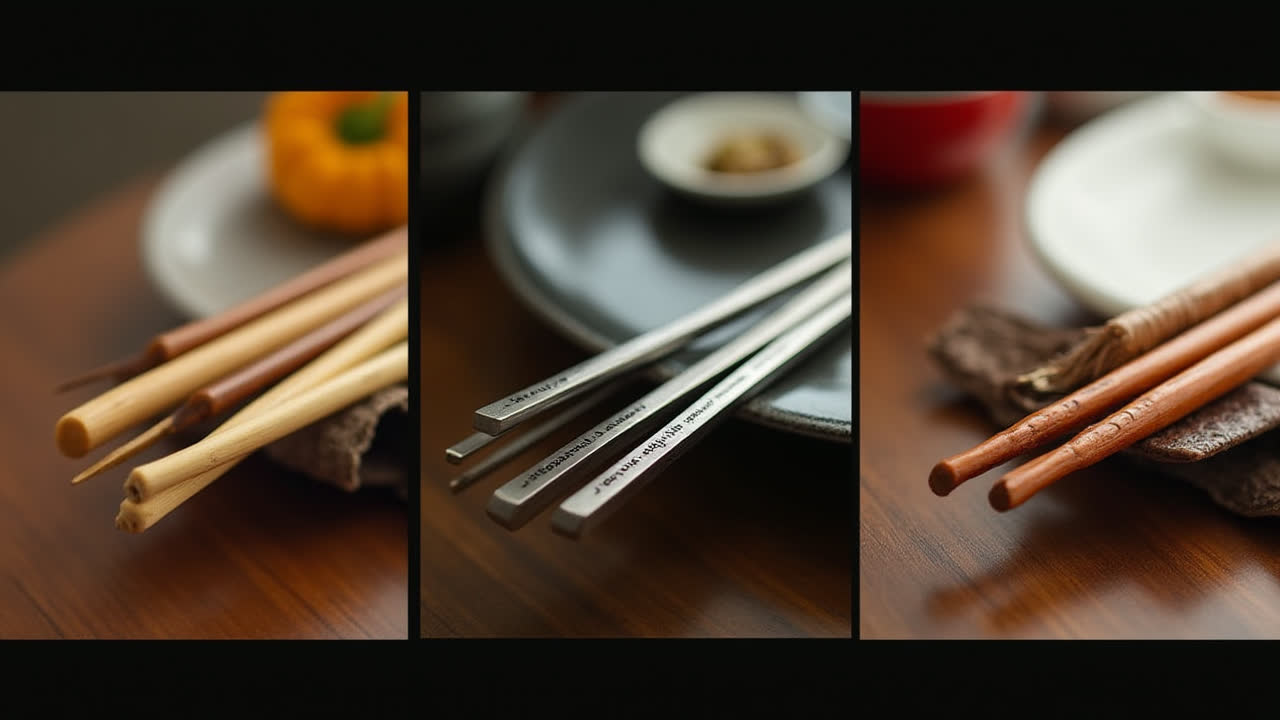
Chinese chopsticks are the longest among the three varieties, typically measuring around 25 centimeters (10 inches). This extended length serves a practical purpose in traditional Chinese dining, where dishes are often placed in the center of a round table with a rotating lazy Susan. The longer design allows diners to easily reach food from shared plates without having to stretch across the table – an important consideration in Chinese communal dining culture.
The tips of Chinese chopsticks are characteristically blunt and wide, making them ideal for picking up larger chunks of food common in Chinese cuisine. This design reflects the cooking methods prevalent in China, where ingredients are typically cut into bite-sized pieces during preparation. The blunter ends provide more surface area for gripping food and are less likely to pierce delicate items like dumplings or tofu.
Traditionally made from bamboo or wood, Chinese chopsticks have a squared body that gradually tapers to a rounded tip. Bamboo is particularly favored for its durability, lightweight nature, and natural antibacterial properties. In recent years, however, materials ranging from plastic to metal have become common as well. The natural materials give Chinese chopsticks a warm, organic feel that complements the dining experience. Sometimes, these chopsticks feature decorative paintings or calligraphy that add artistic value to these functional utensils.
Chinese chopsticks are often reusable rather than disposable, reflecting traditional values of sustainability long before it became a global concern. In many households, each family member might have their own pair of chopsticks, sometimes decorated or marked distinctively. This personal connection to one's eating utensils demonstrates the deep integration of chopsticks in daily Chinese life and culture.
Korean Chopsticks: Metal Innovation
Korean chopsticks stand out immediately due to their material – they're typically made of metal, usually stainless steel. This distinctive characteristic has historical roots. During the royal Joseon Dynasty, silver chopsticks were used because they were believed to change color upon contact with poisoned food, serving as a safety measure for the monarchy. Today's stainless steel versions maintain this tradition while offering practical benefits like durability and ease of cleaning.
Medium in length compared to their Chinese and Japanese counterparts, Korean chopsticks measure approximately 22 centimeters (8.5 inches). This intermediate length suits the Korean dining style, which incorporates both individual and shared dishes. What's particularly distinctive about Korean chopsticks is their flat rectangular shape, which differs significantly from the rounded designs found in neighboring countries.
The metal construction makes Korean chopsticks heavier and potentially more challenging for beginners to use. Many Koreans develop impressive dexterity from regularly handling these sleek utensils from childhood. The slippery surface and added weight require precise control, but once mastered, they allow for exceptional precision when picking up food.
Another unique aspect of Korean dining culture is that chopsticks are typically used alongside a long-handled metal spoon called a sujeo. This combination is rarely seen in other Asian countries. The spoon is used for rice and soups – staples of Korean cuisine – while the chopsticks handle side dishes and main courses. This practical pairing demonstrates how Korean utensils have evolved specifically to complement their culinary traditions.
Japanese Chopsticks: Precision and Elegance
Japanese chopsticks (hashi) are notably shorter than both Chinese and Korean varieties, typically measuring 20-21 centimeters (about 8 inches) for men and even shorter for women and children. This reduced length reflects the Japanese dining style, where individual portions are served in separate dishes held close to the mouth, eliminating the need for longer reach. The shorter design allows for greater precision and control when handling delicate Japanese cuisine.
The most distinctive feature of Japanese chopsticks is their sharply pointed ends. This precise tip design is perfectly suited for Japanese cuisine, which often features delicate, bite-sized portions and small bones in fish dishes. The pointed ends allow diners to pick up tiny grains of rice individually and debone fish with remarkable precision. This attention to detail in utensil design mirrors the meticulous nature of Japanese cooking itself.
Traditionally crafted from natural wood or bamboo, Japanese chopsticks often feature elegant lacquer finishes that not only enhance their beauty but also make them more durable and resistant to heat and moisture. The lacquering tradition in Japan extends back centuries and represents the intersection of functionality and artistry that characterizes much of Japanese design philosophy. Modern chopsticks come in various materials, but the aesthetic emphasis remains consistent.
Japanese chopsticks come in a fascinating variety of specialized types. There are cooking chopsticks (saibashi) that are much longer for safe cooking, chopsticks specifically designed for sweets (kuromoji), and even ceremonial chopsticks used in special occasions. This specialization reflects the Japanese cultural tendency toward perfecting tools for specific purposes rather than using general-purpose implements.
Comparative Analysis of Asian Chopsticks
When examining chopsticks across these three cultures, we can observe how each design reflects deeper cultural values and practical adaptations to different cuisines. Chinese chopsticks, with their longer length and sturdier construction, facilitate the communal dining experience central to Chinese family life. The ability to reach across a shared table embodies the collective nature of Chinese meals as social gatherings.
Korean metal chopsticks represent a beautiful marriage of historical tradition and practical innovation. Their flat, steel design makes them distinctly recognizable and demonstrates Korea's unique position of borrowing cultural elements from both China and Japan while creating something distinctively Korean. The accompanying spoon further highlights how eating utensils evolve to match specific dietary patterns.
Japanese chopsticks, with their refined points and shorter length, embody the Japanese cultural values of precision and minimalism. The careful attention to detail in their design mirrors the meticulous presentation found in Japanese cuisine. Even the way they're rested horizontally rather than vertically (as is common in China) reflects different approaches to table etiquette.
The evolution of chopsticks across these cultures also tells a story of technological and material innovation. From simple bamboo implements to lacquered wood to metal, chopsticks have been continuously refined over centuries. Today, while traditional materials remain popular, modern innovations like heat-resistant silicone tips, ergonomic designs, and eco-friendly materials continue this evolution in response to contemporary needs.
Chopsticks Comparison Table
| Feature | Chinese Chopsticks | Korean Chopsticks | Japanese Chopsticks |
|---|---|---|---|
| Length | Longest (25 cm/10 inches) | Medium (22 cm/8.5 inches) | Shortest (20-21 cm/8 inches) |
| Material | Typically bamboo or wood | Stainless steel or metal | Lacquered wood or bamboo |
| Tip Design | Blunt, wide | Medium taper, flat | Pointed, narrow |
| Cross-Section | Square/rectangular body, round tip | Flat, rectangular | Round or octagonal |
| Weight | Medium | Heaviest | Lightest |
| Used With | Porcelain spoon (occasionally) | Metal spoon (regularly) | Rarely with spoons |
| Typical Resting Position | Vertically on chopstick rest | On chopstick rest | Horizontally on plate edge |
| Suited For | Grabbing from shared dishes | Picking up small banchan sides | Precision handling of delicate foods |
Cultural Etiquette Around Chopsticks
Understanding chopsticks goes beyond recognizing their physical differences – it also involves appreciating the etiquette surrounding their use. In all three cultures, certain chopstick practices are considered improper or even offensive. For instance, sticking chopsticks vertically into a bowl of rice is taboo across East Asia as it resembles incense sticks at a funeral. Similarly, passing food directly from your chopsticks to someone else's is avoided as it resembles a funeral ritual.
Each culture has developed its own specific rules. In Japan, moving your chopsticks aimlessly above food while deciding what to take (mayoibashi) is considered poor manners, as is dragging dishes toward yourself with chopsticks. In China, tapping your chopsticks on the bowl is thought to invite poverty, while in Korea, the eldest person should begin eating first as a sign of respect. These subtle differences in etiquette reflect broader cultural values and social hierarchies.
Modern globalization has led to interesting adaptations in chopstick usage and design. Travel sets, collapsible chopsticks, and even environmentally friendly options made from sustainable or biodegradable materials have emerged. Training chopsticks for children demonstrate how this ancient tool continues to be passed down through generations while adapting to contemporary needs and values.
Frequently Asked Questions About Chopsticks
Which type of chopsticks is easiest for beginners to use?
Chinese chopsticks are generally considered the easiest for beginners due to their blunt tips and better gripping surface. The wooden or bamboo material provides friction that helps hold food more securely. The weight is also balanced for easier handling. Korean metal chopsticks tend to be the most challenging for beginners because their slippery surface and added weight require more precise control. Japanese chopsticks, while smaller and lighter, require good dexterity due to their pointed tips but are still easier to manage than Korean ones for most newcomers.
Why are Korean chopsticks made of metal instead of wood or bamboo?
Korean chopsticks are traditionally made of metal due to historical reasons dating back to the Joseon Dynasty. The royal court used silver chopsticks because they were believed to change color when they came into contact with poisoned food, thus serving as an early detection system for royal safety. Additionally, metal chopsticks are more hygienic, easier to clean, and more durable than wooden ones. This practical advantage became important in Korean culture where numerous side dishes (banchan) are served and cross-contamination could be a concern. The tradition continued and evolved to the stainless steel chopsticks commonly used today throughout Korea.
Is it considered rude to use chopsticks incorrectly in Asian countries?
Generally, most Asian hosts are understanding toward foreigners who struggle with chopsticks and appreciate the effort to use them rather than requesting alternative utensils. However, certain behaviors with chopsticks are considered offensive regardless of chopstick proficiency. These include sticking chopsticks vertically in rice (resembling funeral incense), passing food directly from chopsticks to chopsticks (reminiscent of funeral bone-passing rituals), pointing with chopsticks, drumming with chopsticks, or using them to spear food. While struggling with the mechanics of chopstick use is acceptable, understanding these cultural taboos shows respect for the dining traditions. Many hosts will appreciate your efforts to follow proper etiquette even if your technique isn't perfect.
Conclusion
The differences between Chinese, Korean, and Japanese chopsticks reveal fascinating insights into how culinary tools evolve to match specific cultural needs and food traditions. From the lengthy bamboo sticks of China that facilitate shared dining experiences to the metal precision instruments of Korea and the delicate, pointed implements of Japan, each design tells a story about its cultural origins.
Next time you dine at an Asian restaurant or travel to East Asia, take a moment to notice the chopsticks you're using. Their length, material, weight, and tip design are all intentional features developed over centuries to perfectly complement the cuisine and dining customs of their culture of origin. These seemingly simple utensils embody the beautiful intersection of practicality, tradition, and cultural identity.
Whether you're a chopstick expert or still mastering the basics, understanding these distinctions adds another dimension to appreciating the rich culinary heritage of East Asia. And if you're shopping for chopsticks yourself, you can now make an informed choice based on your own preferences and the type of cuisine you most frequently enjoy.