Branching vs Debranching Enzymes: Key Differences Explained
Introduction to Glycogen Metabolism Enzymes
In the fascinating world of biochemistry, branching and debranching enzymes play crucial roles in how our bodies store and release energy. These specialized proteins are the molecular architects responsible for building and breaking down glycogen, the primary storage form of glucose in animals. Have you ever wondered how your body can quickly access energy when needed, like during a sudden sprint or when you haven't eaten for several hours? The answer lies partly in the efficient work of these enzymes.
When we consume carbohydrates, our bodies convert excess glucose into glycogen for storage, primarily in the liver and muscles. This storage process requires precise molecular engineering to create an optimal structure that balances storage capacity with accessibility. That's where branching enzymes come in. Conversely, when energy is needed, debranching enzymes work alongside other proteins to break down glycogen and release glucose back into the bloodstream. This delicate balance between storage and release is fundamental to maintaining energy homeostasis.
Understanding the difference between branching and debranching enzymes isn't just academic knowledge—it provides insights into metabolic disorders, potential therapeutic targets, and even industrial applications. In this comprehensive guide, we'll explore the structures, functions, and key differences between these essential enzymes. I'll break down the complex biochemistry into digestible information, whether you're a student, healthcare professional, or simply curious about how your body works.
What Are Branching Enzymes?
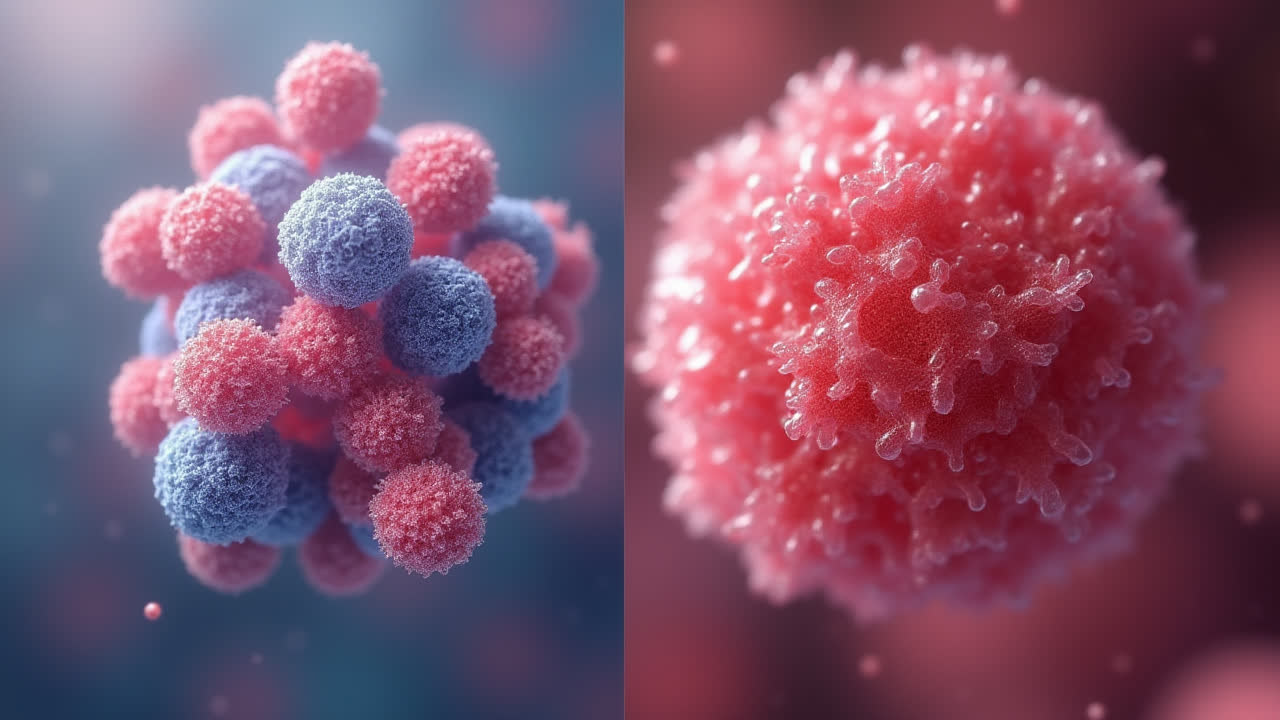
Branching enzymes, also known as 1,4-alpha-glucan-branching enzymes or glycogen branching enzymes, are specialized proteins encoded by the GBE1 gene in humans. Their primary role is to create branch points during glycogen synthesis, which significantly impacts the molecule's physical properties and biological function. But what exactly does this mean for your body?
When glycogen is being synthesized, glucose units are initially joined together in straight chains through α-1,4-glycosidic linkages by an enzyme called glycogen synthase. If glycogen consisted only of these linear chains, it would form long, unwieldy structures with limited access points for enzymes to later break it down. That's where the branching enzyme steps in, transferring segments of about 7 glucose units from the growing chain and reattaching them through α-1,6-glycosidic bonds, creating branch points.
This branching action serves multiple crucial purposes. First, it increases the solubility of glycogen by preventing the formation of rigid, crystalline structures that would be difficult to dissolve when needed. Second, it significantly increases the number of non-reducing ends—the points where enzymes can begin breaking down glycogen when energy is required. This clever architectural design means that when your body needs quick energy, multiple enzymes can simultaneously work on different branches of the glycogen molecule, rapidly releasing glucose. Without adequate branching, glycogen would be much less efficient as an energy storage molecule.
The importance of branching enzymes is highlighted by what happens when they don't function properly. Mutations in the GBE1 gene cause glycogen storage disease type IV, also known as Andersen's disease. This rare genetic disorder results in the accumulation of abnormal glycogen with fewer branches, leading to liver damage, muscle weakness, and even heart problems in severe cases. This demonstrates how crucial properly branched glycogen is for normal physiological function.
What Are Debranching Enzymes?
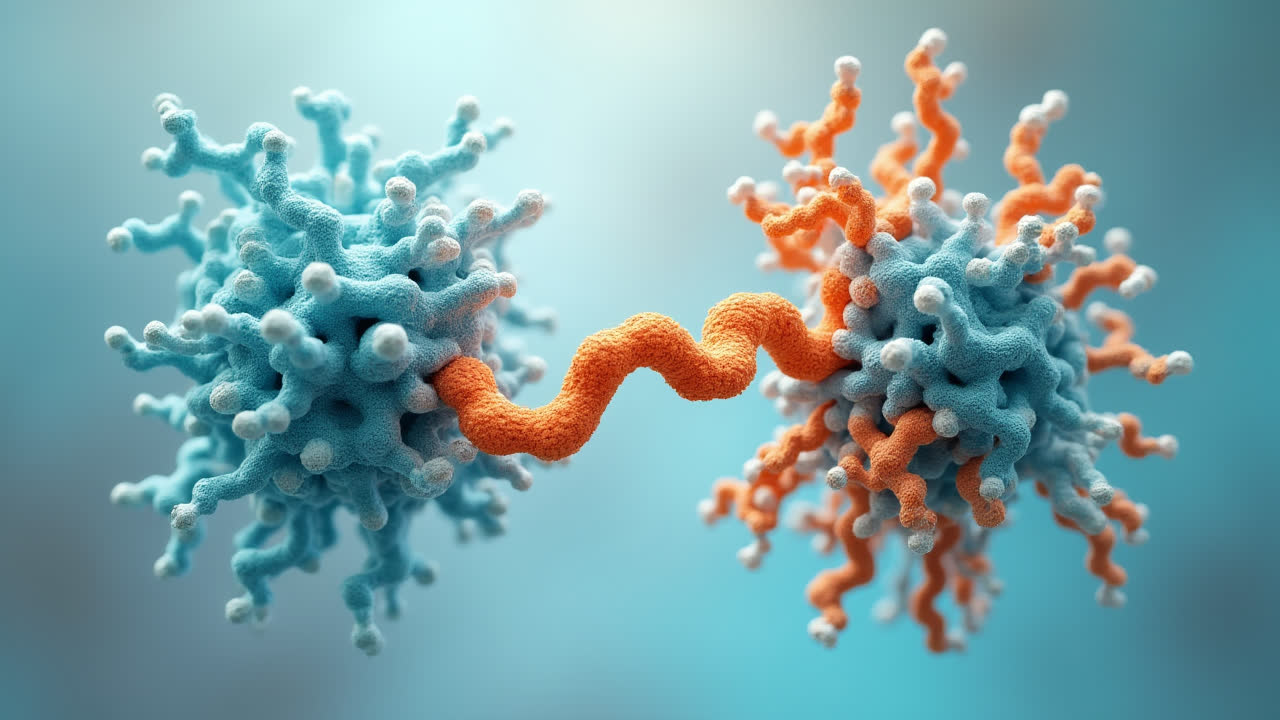
Debranching enzymes serve as molecular demolition experts, facilitating the breakdown of glycogen to release stored glucose when your body needs energy. Unlike their counterparts involved in construction, these enzymes are tasked with dismantling the complex branched structure of glycogen in a methodical and efficient manner. In mammals, the debranching enzyme is a remarkable protein that performs two distinct enzymatic functions within a single molecule—making it what biochemists call a bifunctional enzyme.
When your body needs to mobilize glucose from glycogen, the process begins with an enzyme called phosphorylase, which breaks the α-1,4-glycosidic bonds between glucose units in the straight portions of the glycogen branches. However, phosphorylase cannot break the α-1,6-glycosidic bonds at branch points, which is where the debranching enzyme becomes essential. This enzyme first acts as a transferase (4-α-D-glucanotransferase), moving a segment of three glucose units from a branch to a nearby chain end. Then, acting as a glucosidase (amylo-α-1,6-glucosidase), it cleaves the remaining glucose unit at the branch point, freeing it from the structure.
This two-step process allows for the complete breakdown of glycogen's branched structure, ensuring that all stored glucose can be accessed when needed. Imagine it as carefully untangling a complex knot, rather than simply cutting through it. This methodical approach preserves the energy stored in each glucose unit, maximizing the efficiency of the storage system.
The critical importance of debranching enzymes is evident in glycogen storage disease type III (Cori's disease), which results from mutations in the AGL gene that encodes the debranching enzyme. Individuals with this condition cannot fully break down glycogen, leading to the accumulation of abnormal, partially degraded glycogen molecules in the liver and muscles. Symptoms typically include enlarged liver, growth retardation, and muscle weakness, again highlighting how essential these enzymes are for normal energy metabolism.
Detailed Comparison: Branching vs Debranching Enzymes
| Feature | Branching Enzyme | Debranching Enzyme |
|---|---|---|
| Primary Function | Adds branches to growing glycogen molecules | Facilitates breakdown of glycogen branches |
| Metabolic Process | Glycogen synthesis (anabolic) | Glycogen breakdown (catabolic) |
| Enzyme Classification | Transferase (EC 2.4.1.18) | Bifunctional enzyme with transferase and hydrolase activities |
| Domain Architecture | CBM_48—Alpha-amylase | CBM_48—Alpha-amylase or hGDE_N—hGDE-amylase-hGDE—hGDE-central—GDE_C |
| Gene Encoding | GBE1 gene | AGL gene |
| Bond Target | Creates α-1,6-glycosidic bonds | Cleaves α-1,6-glycosidic bonds |
| Associated Disease | Glycogen Storage Disease Type IV (Andersen's disease) | Glycogen Storage Disease Type III (Cori's disease) |
| Primary Locations | Liver and muscle tissue | Liver and muscle tissue |
The Biochemical Dance: How These Enzymes Work Together
The relationship between branching and debranching enzymes illustrates a beautiful biochemical dance that orchestrates energy storage and release in our bodies. While these enzymes have opposing functions, they're both essential parts of the same metabolic story. I've always found it fascinating how these molecular machines work in harmony to maintain energy balance, despite never being active simultaneously in the same location.
When energy is abundant, such as after a carbohydrate-rich meal, insulin levels rise, activating glycogen synthase and branching enzymes to store excess glucose as glycogen. The branching enzyme creates an optimal structure with numerous endpoints, like creating multiple doors to a storage warehouse. Each branch point increases the solubility of the glycogen molecule and provides additional sites for future enzyme activity, whether for further synthesis or eventual breakdown.
Conversely, when energy demands increase—during exercise or fasting—hormones like glucagon and epinephrine trigger glycogen breakdown. Phosphorylase begins dismantling the straight chains, but eventually encounters branch points it cannot cross. At this stage, the debranching enzyme steps in, methodically removing the branches and making all glucose units accessible. It's rather like a systematic evacuation plan that ensures no energy reserves are left behind.
This alternating activity of branching and debranching enzymes, regulated by hormonal and metabolic signals, ensures that energy flows efficiently between storage and utilization. It's worth noting that disorders affecting either enzyme highlight the importance of both processes—problems with branching lead to abnormal glycogen that's difficult to break down, while debranching deficiencies result in incomplete glycogen utilization. Either way, the delicate balance of energy metabolism is disrupted, emphasizing how both constructive and destructive processes are equally important in biochemistry.
Clinical Significance and Related Disorders
The critical importance of both branching and debranching enzymes becomes starkly apparent when examining the genetic disorders that result from their dysfunction. These rare but serious conditions, collectively known as glycogen storage diseases (GSDs), offer valuable insights into the essential roles these enzymes play in normal metabolism and health.
Glycogen Storage Disease Type IV, caused by mutations in the GBE1 gene that encodes the branching enzyme, results in the formation of abnormal glycogen with fewer branches. This abnormal glycogen, sometimes called polyglucosan, has poor solubility and tends to accumulate in cells, causing progressive damage. The classic form of this disease typically presents in infancy with liver enlargement and progressive liver cirrhosis, often leading to liver failure. In some cases, the disease can also affect the heart, muscles, and nervous system. The severity of symptoms correlates with the degree of enzyme deficiency, with complete absence of branching enzyme activity typically being fatal in early childhood.
On the other hand, Glycogen Storage Disease Type III results from mutations in the AGL gene, which encodes the debranching enzyme. With deficient debranching activity, glycogen breakdown is incomplete, leading to the accumulation of abnormal, short-branched glycogen molecules called limit dextrin. This condition typically manifests with liver enlargement, growth retardation, and variable muscle involvement. Interestingly, liver symptoms often improve with age, but muscle weakness and cardiomyopathy may progressively worsen. Dietary management, including frequent feeding and high-protein diets, can help manage symptoms, though there's currently no cure for the underlying enzyme deficiency.
Beyond these primary disorders, research continues to explore the potential involvement of these enzymes in other conditions. Some studies suggest that variations in branching enzyme activity might influence susceptibility to diabetes and other metabolic disorders. Additionally, the unique properties of these enzymes have attracted interest in biotechnology and pharmaceutical fields, with potential applications in developing treatments for related disorders or creating modified starches for industrial uses.
Frequently Asked Questions
What happens if branching enzyme is deficient or absent?
When branching enzyme is deficient or absent, it leads to Glycogen Storage Disease Type IV (Andersen's disease). In this condition, the body forms abnormal glycogen with fewer branches, called polyglucosan. This poorly soluble glycogen accumulates in tissues, particularly the liver, heart, and muscles, causing progressive damage. Symptoms typically include liver enlargement and cirrhosis, muscle weakness, and potentially heart problems. In severe cases, this condition can lead to liver failure and may be fatal in early childhood without treatment. The severity of symptoms directly correlates with the degree of enzyme deficiency.
Why is glycogen branching important for energy storage?
Glycogen branching serves several critical purposes for efficient energy storage. First, it increases the solubility of glycogen by preventing the formation of rigid, crystalline structures that would be difficult to mobilize when needed. Second, branching significantly increases the number of non-reducing ends—the points where enzymes can begin breaking down glycogen—which allows for much faster glucose release during times of energy demand. Each branch creates a new endpoint for enzymes to work on simultaneously, much like multiple exit doors in a building allow faster evacuation. Additionally, branching creates a more compact molecule that can store more glucose in less space, optimizing storage capacity within cells. Without proper branching, glycogen would be less efficient both for storage density and rapid energy mobilization.
How do hormones regulate the activity of branching and debranching enzymes?
Hormones play a crucial role in regulating the activity of branching and debranching enzymes as part of the broader control of glycogen metabolism. Insulin, released after meals when blood glucose is high, promotes glycogen synthesis by activating enzymes in this pathway, including indirectly supporting branching enzyme activity. Conversely, glucagon and epinephrine (adrenaline), which are released during fasting or stress, promote glycogen breakdown by activating a cascade that ultimately enhances the activity of glycogen phosphorylase and makes the branched structure accessible to debranching enzymes. These hormonal signals ensure that glycogen synthesis and breakdown occur at appropriate times based on the body's energy status—storing glucose when energy is abundant and releasing it when energy is needed. This tight regulation prevents futile cycling (simultaneous synthesis and breakdown) and optimizes energy efficiency in the body.
Conclusion: The Enzymatic Balance of Energy Storage
The intricate interplay between branching and debranching enzymes represents a fundamental aspect of energy metabolism that has evolved over millions of years. While they perform opposing functions—one building complex structures and the other dismantling them—both are essential for the efficient storage and utilization of energy in the form of glycogen. Their coordinated activities, regulated by hormonal and metabolic signals, ensure that our bodies can both store excess energy when food is abundant and quickly access these reserves when needed.
The branch points created by branching enzymes aren't simply structural features—they're strategic design elements that optimize glycogen for its biological purpose. By increasing solubility, creating multiple access points for degradative enzymes, and allowing compact storage, branched glycogen serves as an ideal energy reserve. Similarly, the methodical approach of debranching enzymes ensures complete access to all stored glucose, maximizing energy efficiency.
Understanding these enzymes and their roles provides valuable insights into normal metabolism and pathological conditions. The glycogen storage diseases that result from enzyme deficiencies highlight the critical importance of proper glycogen structure and metabolism for health. As research continues to explore the nuances of these enzyme functions and their regulation, new therapeutic approaches for metabolic disorders may emerge.
In essence, branching and debranching enzymes exemplify the elegant biological solutions that have evolved to address the fundamental challenge of energy management in living organisms. Their study not only advances our understanding of biochemistry but also provides potential avenues for addressing disorders related to energy metabolism.