Bony Fish vs Cartilaginous Fish: Understanding the Key Differences
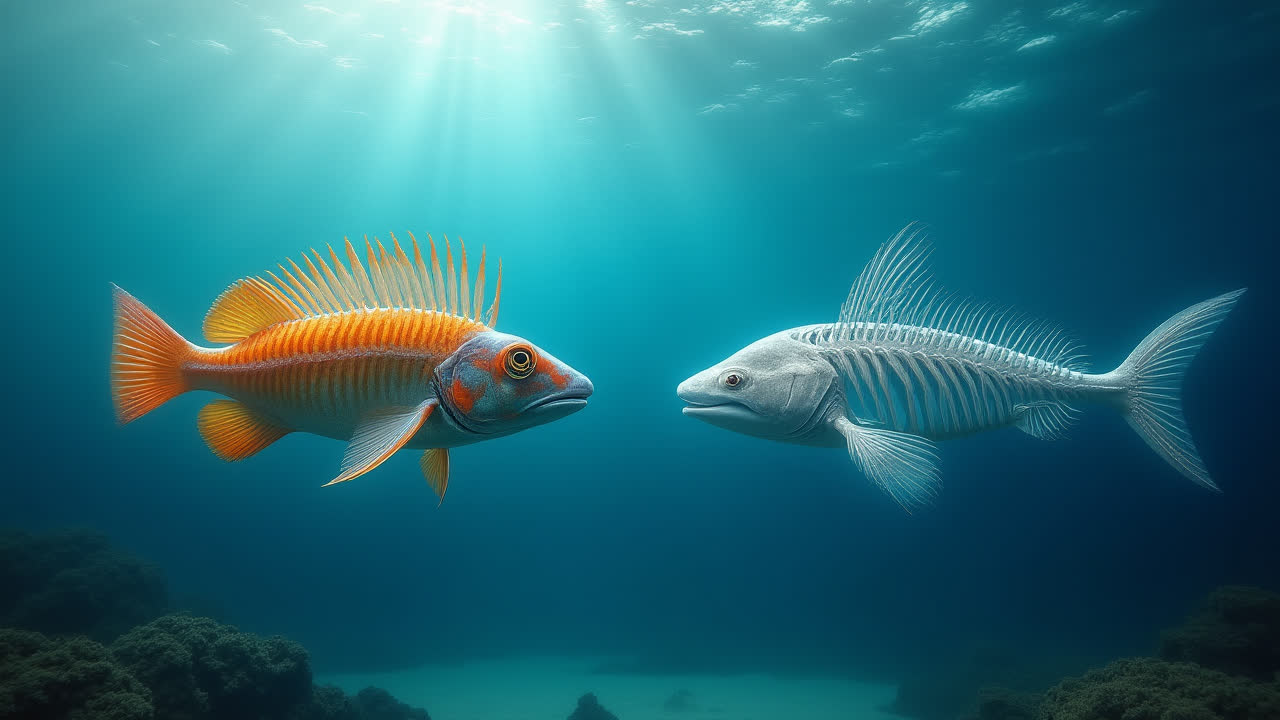
Bony Fish vs Cartilaginous Fish: Understanding the Key Differences
When you think about fish, do you ever wonder about their internal structure? Not all fish are created equal, and one of the most fascinating distinctions in the underwater world is between bony fish and cartilaginous fish. Let me take you on a journey through the deep waters to explore these two remarkable groups that have captivated marine biologists for centuries.
As someone who's spent countless hours swimming with these creatures, I can tell you that the differences go far beyond what meets the eye. It's like comparing the framework of a brick house to a flexible tent structure – both serve their purpose, but they're built entirely differently. The most fundamental distinction lies in their skeletal composition, but oh boy, that's just the tip of the iceberg!
What Are Bony Fish? A Closer Look at Nature's Architectural Marvel
Bony fish belong to the class Osteichthyes, and trust me when I say they're the majority rulers of the underwater kingdom. With over 27,000 species identified worldwide, these creatures have conquered both salt and freshwater environments. The first time I learned that the massive ocean sunfish weighs around 2.3 tonnes, I was absolutely blown away – imagine swimming next to that!
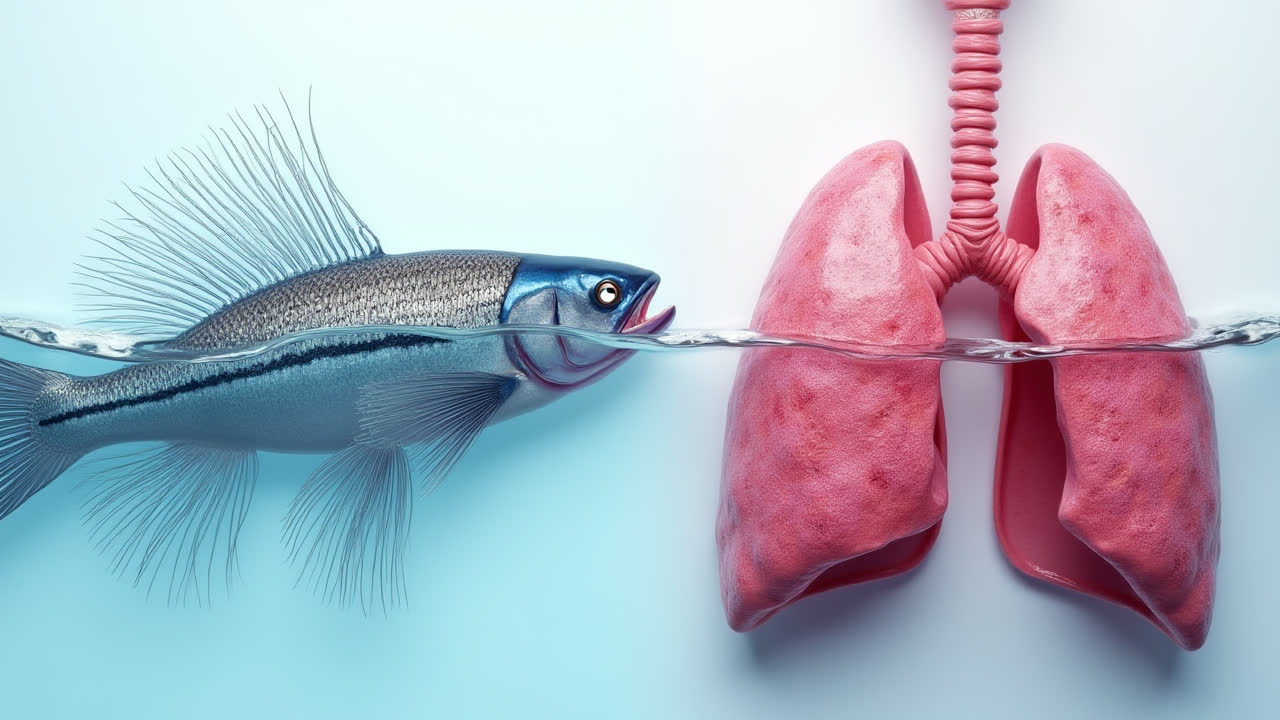
What sets these fish apart? Well, their endoskeleton is completely made of actual bone, just like ours. This rigid structure gives them incredible support, but here's the cool part – they've evolved some pretty clever features too. That protective covering over their gills? That's called an operculum, and it's like wearing a helmet for their respiratory system. And don't get me started on their swim bladder – it's essentially their personal buoyancy control device, filled with air to help them maintain their position in the water column.
But here's something that always fascinated me: bony fish have this incredible sense called the lateral line system. It's like having tiny pressure sensors running down their sides that can detect the slightest water movements. I sometimes wonder if we had something similar, would we be better at sensing those subtle changes in our environment?
Diving Deep into Cartilaginous Fish: The Flexible Predators
Now, let's swim over to the cartilaginous fish, the mysterious members of class Chondrichthyes. These guys are the cool kids of the ocean – sharks, rays, and skates all belong to this exclusive marine club. Unlike their bony cousins, these fish have skeletons made primarily of cartilage, that same flexible material you have in your nose and ears.
I remember my first encounter with a basking shark – seeing that 20+ foot creature gliding by with its gaping mouth was both terrifying and awe-inspiring. One thing that immediately strikes you about these fish is their mouth position. It's on the underside of their body, which always seemed a bit inconvenient to me. But nature knows what it's doing – this design is perfect for their bottom-feeding lifestyle.
What really gets me about cartilaginous fish is their unique adaptation for buoyancy. Instead of a gas-filled swim bladder, they use an oil-filled liver. It's like having your own internal life jacket that's also your fuel tank – talk about efficient design! And those gills? They open directly to the ocean through slits rather than being covered with an operculum.
The Great Divide: Key Differences Between These Fish Groups
Let me break down the main differences that set these two fish classes apart. It's not just about bones versus cartilage – these evolutionary paths have led to fascinating adaptations that would make any engineer envious. From my observations, it's like comparing two different approaches to solving the same problem: how to thrive in an aquatic environment.
One thing that always amazes me is how cartilaginous fish exclusively live in marine environments, while bony fish have managed to colonize both freshwater and saltwater habitats. It's like cartilaginous fish decided to stick with their original recipe while bony fish became the adventurous foodies of the fish world, trying out different environments.
| Feature | Bony Fish | Cartilaginous Fish |
|---|---|---|
| Skeletal Structure | Complete bone endoskeleton | Cartilage endoskeleton |
| Habitat | Marine and freshwater | Exclusively marine |
| Gill Cover | Covered by operculum | Exposed through slits |
| Fertilization | External fertilization | Internal fertilization |
| Buoyancy Control | Swim bladder with air | Oil-filled liver |
| Mouth Position | Anterior tip | Ventral (underneath) |
| Tail Fin Type | Homocercal (symmetrical) | Heterocercal (asymmetrical) |
| Number of Species | 27,000+ | 970+ |
Evolutionary Journey: 420 Million Years of Adaptation
The story of how these two groups diverged reads like an epic novel. About 420 million years ago, these two groups went their separate ways, evolving unique solutions to life's underwater challenges. It's mind-boggling to think that while dinosaurs were still millions of years away from their first appearance, these fish groups were already establishing their distinct identities.
What strikes me most is how cartilaginous fish have remained relatively unchanged in their basic design, while bony fish have diversified into an incredible array of forms. From the tiny seahorse to the massive ocean sunfish, bony fish have really pushed the boundaries of aquatic life. Sometimes I wonder if cartilaginous fish are the tortoise in the evolutionary race – slow and steady, sticking with what works.
The reproductive strategies between these groups also tell us a lot about their evolutionary choices. Bony fish typically practice external fertilization, releasing eggs and sperm into the water. It's a bit of a numbers game – release millions of eggs and hope some survive. Cartilaginous fish, on the other hand, go for the quality over quantity approach with internal fertilization and fewer offspring.
Practical Applications: Why These Differences Matter
Understanding these differences isn't just academic – it has real-world implications. For instance, many cartilaginous fish species are more vulnerable to overfishing because they reproduce more slowly and produce fewer offspring. This is why shark populations take longer to recover from fishing pressure compared to many bony fish species.
From a biomimicry perspective, the different approaches to buoyancy control have inspired engineers and designers. The efficiency of the shark's oil-filled liver has been studied for underwater vehicle design, while the precise control offered by the swim bladder in bony fish has applications in submarine technology.
In terms of human consumption, most fish we eat are bony fish. Think salmon, trout, and tuna – all members of the Osteichthyes class. While some cartilaginous fish are eaten (like shark fin soup, which has thankfully become controversial), the texture and composition of their meat are quite different from what most people are used to.
Frequently Asked Questions
Can cartilaginous fish live in freshwater?
No, cartilaginous fish are exclusively marine creatures. They lack the physiological adaptations necessary to regulate their internal salt balance in freshwater environments. Their body composition and excretion system are specifically designed for saltwater living.
Which type of fish is more ancient?
Both groups are equally ancient, having diverged about 420 million years ago. However, cartilaginous fish have maintained a more primitive body plan, while bony fish have undergone more evolutionary diversification over time.
Are all sharks cartilaginous fish?
Yes, all sharks belong to the cartilaginous fish group (Chondrichthyes). This includes all shark species, from the massive whale shark to the small dogfish. They share characteristics like cartilaginous skeletons, multiple gill slits, and internal fertilization.
Whether you're diving with a graceful ray or observing a colorful reef fish, understanding these fundamental differences enriches your appreciation of marine biodiversity. The next time you watch a nature documentary or visit an aquarium, you'll be able to spot these differences and impress your friends with your newfound knowledge. It's amazing to think that beneath the surface of our oceans and lakes, these two ancient groups continue to thrive, each with their unique approach to life in the water.