Blueberry vs Cranberry: The Complete Comparison Guide 2026
Blueberry vs Cranberry: The Complete Comparison Guide
Are you confused about the difference between blueberries and cranberries? While these two berries might look different at first glance, they share a surprising amount in common. Both belong to the Vaccinium genus and pack a powerful nutritional punch. But the similarities largely end there. In this comprehensive guide, we'll dive deep into their unique characteristics, health benefits, and practical uses.
I've spent countless afternoons picking both berries, and let me tell you, there's nothing quite like popping a sweet blueberry in your mouth while hiking - though I wouldn't recommend the same with a raw cranberry unless you're prepared for a serious pucker!
Understanding the Vaccinium Family
Both blueberries and cranberries belong to the same botanical genus, Vaccinium, which explains some of their shared characteristics. This genus includes nearly 500 species of flowering plants, ranging from small shrubs to large trees. The family connection means they share certain traits, but evolution has taken these berries down different paths.
What's particularly fascinating is how these plants adapted to different environments. Blueberries evolved to grow on bushes in dryer conditions, while cranberries developed as low-growing vines that thrive in boggy areas. This difference in habitat explains a lot about their physical characteristics and nutritional profiles.
Physical Characteristics and Appearance
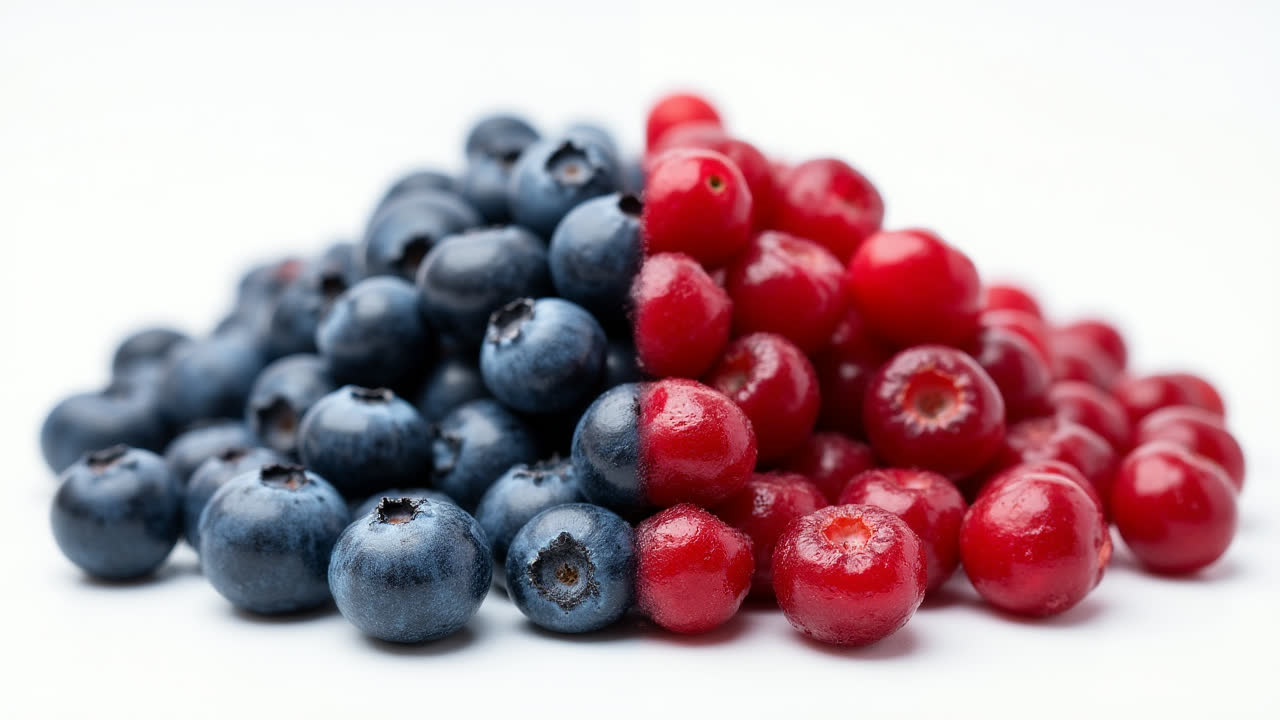
The most obvious difference between blueberries and cranberries is their color. Blueberries sport a deep blue to purple hue, often with a silvery bloom that acts as natural protection. This coating isn't dirt or residue - it's actually beneficial and helps preserve the berry's freshness.
Cranberries, on the other hand, are unmistakably red. Their bright red color can range from light pink to deep crimson, depending on ripeness. In terms of size, blueberries are generally rounder and can range from 0.2 to 0.6 inches across. Cranberries are often slightly larger and more oval-shaped.
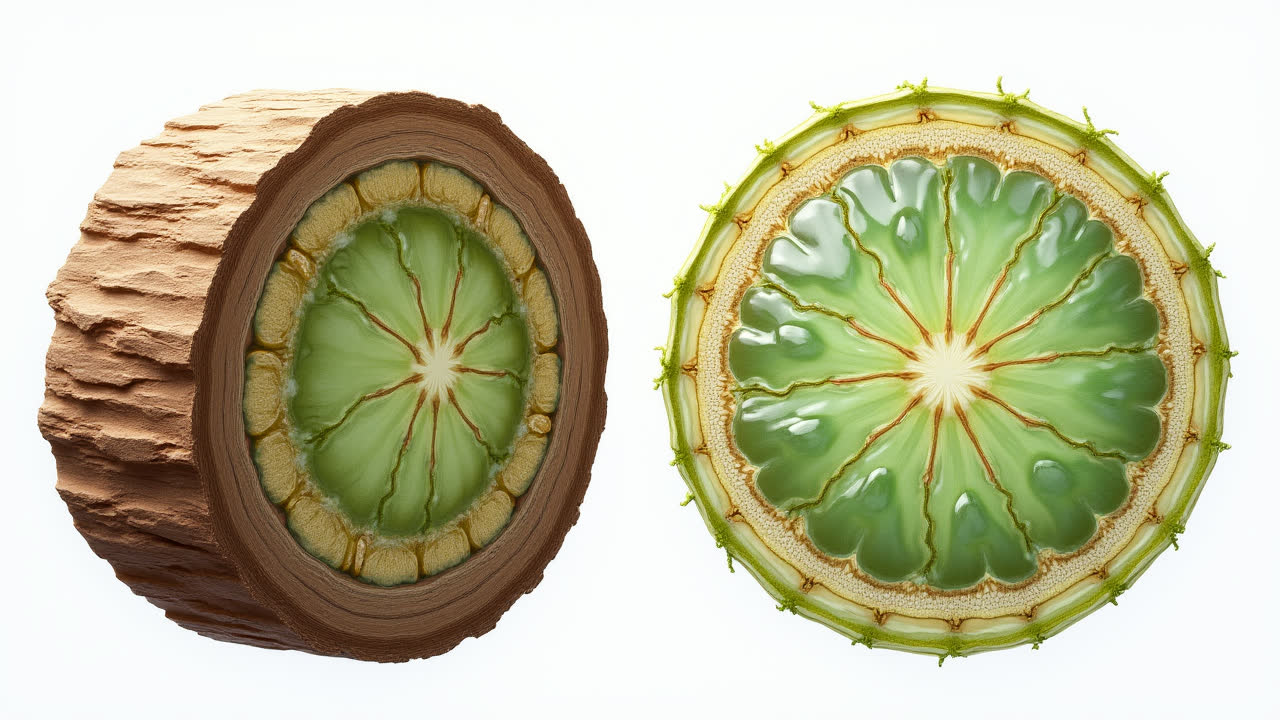
Here's something interesting: when you cut them open, you'll notice blueberries have tiny seeds and almost black flesh inside, while cranberries have whiter flesh with air pockets. These air pockets are why cranberries float - a characteristic that's actually crucial for harvesting them commercially!
Taste Profile: Sweet vs. Sour
If there's one thing you need to remember about these berries, it's this: blueberries are sweet, cranberries are sour. It's like comparing honey to vinegar in the berry world. Blueberries offer a perfect balance of sweetness with just a hint of acidity, making them perfect for snacking right off the bush.
Cranberries? Well, they're another story entirely. Their sharp, sour taste can make your face scrunch up like you've been caught in a surprise rainstorm. This intense tartness is due to their high acid content and lower sugar levels. It's why you rarely see people eating cranberries raw - they're almost always cooked with sugar or made into juice.
Pro Tip: If you want to make cranberries more palatable raw, try freezing them first. The freezing process helps break down some of the cell walls, reducing the initial shock of sourness.
Nutritional Comparison
| Characteristic | Blueberries | Cranberries |
|---|---|---|
| Calories (per cup) | 84 calories | 46 calories |
| Sugar Content | 15g (higher sugar) | 4g (lower sugar) |
| Fiber Content | 3.6g | 3.9g |
| Vitamin C | 16% Daily Value | 22% Daily Value |
| Antioxidants | High (ORAC score: 9,019) | High (ORAC score: 9,584) |
| Main Nutrients | Vitamin K, Manganese | Vitamin C, Vitamin E |
| Water Content | 85% | 87% |
| Glycemic Index | 53 (Medium) | 45 (Low) |
Health Benefits: Nature's Medicine Cabinet
Both berries are nutritional powerhouses, but they shine in different areas. Blueberries are particularly famous for their brain-boosting properties. Studies suggest they may improve memory and delay age-related cognitive decline. I've made it a habit to add them to my morning smoothie, and honestly, I like to think they've helped me remember where I left my keys more often!
Cranberries are the go-to berry for urinary tract health. They contain compounds called proanthocyanidins that prevent bacteria from adhering to the urinary tract walls. This is why cranberry juice is often recommended for preventing UTIs, though remember - the unsweetened version is what you want for maximum benefit.
Both berries are packed with antioxidants that fight inflammation and may help reduce the risk of chronic diseases. They also support heart health, with blueberries potentially lowering blood pressure and cranberries improving cholesterol levels.
Culinary Applications
When it comes to cooking, these berries couldn't be more different. Blueberries are incredibly versatile - you can eat them fresh, toss them in salads, bake them into muffins, or freeze them for smoothies. Their natural sweetness means they play well with both sweet and savory dishes.
I love adding fresh blueberries to my pancake batter on lazy Sunday mornings. The way they burst with warm, sweet juice is absolutely divine. But I must admit, I've had my fair share of blue-stained fingers and clothing from all my blueberry adventures.
Cranberries, due to their intense tartness, are usually transformed before consumption. They're most commonly found as:
- Cranberry sauce (especially popular at Thanksgiving)
- Sweetened cranberry juice (often mixed with other juices)
- Dried cranberries (similar to raisins but less sweet)
- Baked goods where their tartness balances sweetness
An interesting note: dried cranberries often have added sugar because of their natural sourness. So if you're trying to avoid extra sugar, fresh is usually the way to go, despite the pucker factor!
Growing and Harvesting
These berries have completely different growing requirements. Blueberries grow on bushes and prefer acidic soil (pH 4.5-5.5) with good drainage. They're drought-tolerant once established and can be grown in many home gardens.
Cranberries require very specific conditions - they grow on low vines in acidic bogs. Commercial cranberry farming often involves flooding the bogs for harvesting, which is why you might see those amazing aerial shots of cranberry bogs that look like ruby seas.
If you're thinking about growing your own, blueberries are definitely more beginner-friendly. I've had a small blueberry bush for three years now, and while it took some time to establish, the reward of fresh berries each summer makes it worth every effort.
Storage and Selection
When shopping for blueberries, look for plump, firm berries with that characteristic silvery bloom. Avoid containers with juice staining on the bottom - that suggests bruised or overripe berries. They'll keep for about 5-10 days in the refrigerator.
Fresh cranberries should be firm and bounce when dropped (yes, really!). They can last up to 2 months in the refrigerator and freeze exceptionally well. Pro tip: store them in the freezer in their original bag - they'll keep for up to a year and can be used directly from frozen in most recipes.
Frequently Asked Questions
Can you substitute cranberries for blueberries in recipes?
While both berries can be used in baking, substituting them requires adjustments. Cranberries are much more tart than blueberries, so you'll need to add extra sugar when substituting. They also hold their shape better during cooking, so the texture of your final dish may be different. For the best results, consider using a 2:1 ratio of cranberries to blueberries if you want to maintain some of that blueberry sweetness.
Which berry is better for weight loss?
Cranberries have the edge for weight loss, containing fewer calories and less sugar than blueberries. A cup of cranberries has only 46 calories compared to 84 in blueberries. However, both berries are low-calorie options that can fit into any weight loss plan, and the difference is minimal enough that you should choose based on your taste preferences and nutritional goals.
Are blueberries and cranberries equally good for antioxidants?
Both berries are excellent sources of antioxidants, but they contain different types. Blueberries are particularly rich in anthocyanins (which give them their blue color), while cranberries are high in proanthocyanidins and flavonoids. In terms of ORAC (Oxygen Radical Absorbance Capacity) scores, cranberries have a slight edge with 9,584 compared to blueberries' 9,019, but both are considered among the highest antioxidant foods available.
The Final Verdict
Choosing between blueberries and cranberries doesn't have to be an either/or decision. Each brings unique flavors, nutrients, and benefits to the table. Blueberries offer a sweet, snackable option that works beautifully in countless recipes, while cranberries provide a tart counterpoint that shines in holiday dishes and health remedies.
Personally, I've found that having both in my rotation gives me the best of both worlds. I keep frozen blueberries for smoothies, fresh ones for snacking, and dried cranberries for salads and trail mix. And when November rolls around, fresh cranberries become a staple for making my grandmother's famous sauce - sour taste and all!
Whether you're team blueberry, team cranberry, or happily enjoying both, there's no denying these little powerhouses deserve a place in your diet. After all, good things come in small packages, especially when those packages are packed with vitamins, antioxidants, and flavors that make your taste buds dance.
References:
- https://www.thespruceeats.com/what-are-cranberries-5199220
- https://www.healthline.com/nutrition/foods/cranberries
- https://www.thespruceeats.com/blueberry-selection-and-storage-1807742
- https://www.everydayhealth.com/diet-nutrition/diet/blueberries-nutriti
- https://commons.wikimedia.org/w/index.php?curid=50753577