Alpha vs Beta Carotene: Key Differences and Health Benefits
Understanding Carotenoids in Your Diet
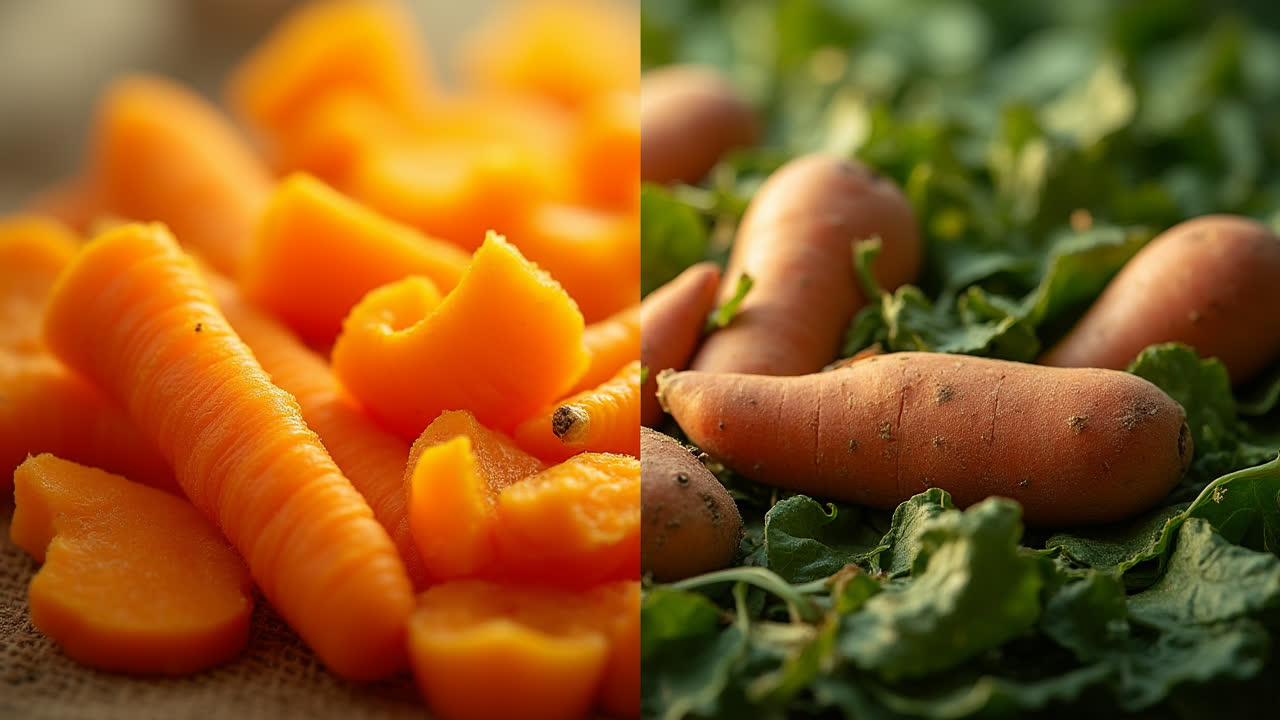
When you bite into a juicy carrot or scoop up some vibrant sweet potato, have you ever wondered what gives these foods their beautiful orange hue? The answer lies in compounds called carotenoids, specifically alpha and beta carotene - two powerful plant pigments that do much more than just add color to your plate. These fascinating compounds belong to a family of unsaturated hydrocarbons that are exclusively synthesized by plants and serve as precursors to vitamin A in our bodies.
While both alpha and beta carotene might sound similar, they have distinct differences in their chemical structure, prevalence in foods, and impact on our health. As someone who's spent years exploring the world of nutritional compounds, I've found that understanding these differences can help you make more informed dietary choices. The science behind these colorful molecules reveals why certain foods have become nutritional superstars in our quest for better health.
Have you ever noticed how nutritionists often recommend "eating the rainbow"? This advice isn't just about making your plate look pretty - it's based on solid science about compounds like carotenes. In this article, we'll explore the unique characteristics of alpha and beta carotene, examine their health benefits, and discover which foods can help you incorporate more of these beneficial compounds into your daily meals.
What is Alpha Carotene?
Alpha carotene is the second most abundant form of carotene found in nature. It features a unique molecular structure with a β-ionone ring at one end and an α-ionone ring at the opposite end. This structural arrangement is what gives alpha carotene its distinctive properties and functions in both plants and the human body. Think of it as the quiet sidekick to the more famous beta carotene - less abundant but still playing crucial roles in our health.
When you're shopping for vegetables, those with yellow-orange colors are often rich sources of alpha carotene. Carrots are perhaps the most well-known, but don't overlook sweet potatoes, pumpkins, and winter squash as excellent dietary sources. Interestingly, many dark-green vegetables like broccoli, green beans, spinach, and even avocados also contain significant amounts of alpha carotene, though their green chlorophyll masks the yellow-orange pigment.
In the human body, alpha carotene has about half the vitamin A activity compared to beta carotene, but this doesn't mean it's only half as valuable. Research has found that alpha carotene has its own unique benefits. For instance, studies have suggested that higher blood levels of alpha carotene are associated with reduced risk of certain cancers, cardiovascular disease, and complications from diabetes. There's something special about this "second-place" carotene that deserves our attention when planning a nutritious diet.
What is Beta Carotene?
Beta carotene stands as the most abundant form of carotene and is likely the one you've heard about most often. Its molecular structure consists of 40 carbon atoms arranged into eight isoprene units with beta-rings at both ends of the molecule - a symmetrical arrangement that gives it special properties in our bodies. This structure allows beta carotene to be converted into two complete molecules of vitamin A, making it extremely efficient as a vitamin A precursor.
The vibrant red-orange pigmentation you see in many plants and fruits is often due to beta carotene. While carrots are the poster child for beta carotene content, did you know that some foods contain even higher amounts? Vietnamese gac fruit and crude palm oil contain approximately ten times more beta carotene than carrots! Other rich sources include mangoes, papayas, cantaloupe, and leafy greens like spinach and kale. I remember being surprised to learn that many green vegetables are actually excellent sources of beta carotene - their green chlorophyll just masks the orange pigment.
Beta carotene serves as a potent antioxidant in our bodies, helping to neutralize harmful free radicals that can damage cells and contribute to chronic diseases. It provides protection against sunlight damage (though it's no substitute for sunscreen!), and studies suggest it may help lower the risk of metabolic syndrome and certain types of cancer. Interestingly, beta carotene's relationship with lung cancer is complex - while it may reduce risk in the general population, studies have found it might actually increase risk in smokers and former asbestos workers. This reminds us that nutrition isn't one-size-fits-all, and context matters greatly.
As a provitamin A carotenoid, beta carotene is converted into retinal (a form of vitamin A) in the small intestine. This conversion happens on an as-needed basis, which means that unlike direct vitamin A supplements, it's much harder to overconsume beta carotene from food sources. Your body intelligently regulates how much is converted based on your vitamin A status - a remarkable example of the body's wisdom when working with natural food compounds.
Similarities Between Alpha and Beta Carotene
Despite their differences, alpha and beta carotene share several important similarities that place them in the same family of beneficial compounds. Both are classified as unsaturated hydrocarbons with the identical molecular formula C40H56, meaning they contain the same number of carbon and hydrogen atoms but arranged in slightly different structures. Unlike some other carotenoids, neither alpha nor beta carotene contains oxygen atoms in their molecular structure.
One fascinating aspect of these compounds is their exclusivity to the plant kingdom (with minor exceptions). Plants synthesize carotenes as part of their natural processes, while animals - with the exception of some aphids and spider mites - lack the biological machinery to create these compounds. This is why we must obtain carotenes through our diet, highlighting the importance of plant foods in human nutrition. Some fungi also have the ability to produce carotenes, adding another natural source to the mix.
Both alpha and beta carotene serve as photosynthetic pigments in plants, absorbing ultraviolet, violet, and blue light while scattering red, orange, and yellow light. This selective absorption and reflection is what gives many fruits and vegetables their characteristic colors. When we consume these colorful plant foods, we benefit from the same compounds that help plants harness sunlight energy. It's a beautiful example of how our health is interconnected with the plant world - we've evolved to benefit from the same protective compounds that plants produce for their own survival.
Comprehensive Comparison: Alpha vs Beta Carotene
| Characteristic | Alpha Carotene | Beta Carotene |
|---|---|---|
| Chemical Structure | β-ionone ring at one end, α-ionone ring at the other | β-ionone rings at both ends |
| Abundance in Nature | Second most abundant form | Most abundant form |
| Retinyl Groups | Contains a single retinyl group | Contains two retinyl groups |
| Vitamin A Production | Produces 50% of vitamin A compared to beta carotene | Most efficient carotene for vitamin A production |
| Primary Food Sources | Yellow-orange vegetables (carrots, sweet potatoes) and dark-green vegetables (broccoli, spinach) | Vietnamese gac, palm oil, carrots, mangoes, pumpkin, sweet potatoes, leafy greens |
| Normal Serum Levels | Adult males: 4.22 μg/dL; Adult females: 5.31 μg/dL | Adult males: 18-45 μg/dL; Adult females: 20-50 μg/dL |
| Key Health Benefits | Associated with reduced risk of cancer, cardiovascular disease, and diabetes | Protection against sun damage, reduced risk of metabolic syndrome and certain cancers |
| Special Considerations | Less studied but emerging research suggests unique benefits | May increase lung cancer risk in smokers and former asbestos workers |
Health Benefits and Dietary Sources
The health benefits of both alpha and beta carotene extend far beyond their role as precursors to vitamin A. As powerful antioxidants, they help protect our cells from oxidative damage caused by free radicals, potentially slowing the aging process and reducing chronic disease risk. I've personally incorporated more carotene-rich foods into my diet after learning about their protective effects against various cancers and cardiovascular disease. The scientific evidence continues to build, suggesting these compounds may be more important than we once thought.
When it comes to dietary sources, it's worth noting that carotenes are fat-soluble compounds, meaning they're better absorbed when consumed with some healthy fats. This is why drizzling some olive oil on your roasted carrots or adding avocado to your spinach salad isn't just tasty - it's smart nutritional strategy. Additionally, light cooking can actually increase the bioavailability of carotenes by breaking down the cell walls of plants. I've found that lightly steaming or roasting vegetables often enhances both their flavor and nutritional value.
While supplements of beta carotene are widely available, research suggests that whole food sources provide greater benefits. The synergistic effect of multiple nutrients working together in whole foods appears to be more beneficial than isolated compounds. Plus, excessive supplementation of beta carotene (particularly in smokers) has been linked to increased cancer risk in some studies - a reminder that more isn't always better when it comes to nutrition. Nature seems to package these compounds in just the right amounts and combinations in whole foods.
To maximize your intake of both alpha and beta carotene, aim to include a variety of colorful vegetables and fruits in your diet. Orange and yellow vegetables like carrots, sweet potatoes, and pumpkins are excellent sources, as are leafy greens like spinach and kale. Fruits such as mangoes, papayas, and cantaloupe also contribute significant amounts. By "eating the rainbow," you'll naturally consume a balanced mix of various carotenoids, including both alpha and beta varieties, along with other beneficial compounds.
Frequently Asked Questions About Alpha and Beta Carotene
Can you get too much beta carotene from food?
It's difficult to consume excessive amounts of beta carotene from food sources alone. The body regulates conversion of beta carotene to vitamin A based on need, which provides a natural safety mechanism. However, extremely high consumption of carotene-rich foods can cause a harmless condition called carotenemia, where skin develops a yellowish-orange tint, particularly on the palms and soles. This condition is temporary and resolves when consumption is reduced. Unlike direct vitamin A supplements, food-based carotenes don't pose a toxicity risk because of this regulated conversion.
Why do smokers need to be cautious about beta carotene supplements?
Several large-scale studies, including the ATBC (Alpha-Tocopherol, Beta-Carotene Cancer Prevention) study and the CARET (Beta-Carotene and Retinol Efficacy Trial), found that high-dose beta carotene supplements actually increased lung cancer risk in smokers and former asbestos workers. The mechanism isn't fully understood, but it's believed that in the oxidative environment created by cigarette smoke, beta carotene may act as a pro-oxidant rather than an antioxidant. This highlights the importance of obtaining nutrients from whole foods rather than isolated supplements, especially for those with specific risk factors. Smokers should focus on getting carotenoids from dietary sources rather than supplements.
Is alpha carotene better than beta carotene for certain health conditions?
Emerging research suggests that alpha carotene may have unique benefits for certain health conditions, despite its lower vitamin A activity compared to beta carotene. Some observational studies have found stronger associations between alpha carotene levels and reduced mortality from certain cancers and cardiovascular disease compared to beta carotene. A notable study published in the Archives of Internal Medicine found that people with higher blood levels of alpha carotene had a significantly lower risk of death from all causes, cardiovascular disease, cancer, and other illnesses. This suggests that alpha carotene shouldn't be overlooked despite receiving less attention than its more famous counterpart. For optimal health benefits, consuming a variety of both alpha and beta carotene-rich foods is recommended rather than focusing exclusively on one.
Conclusion: Making Informed Dietary Choices
The distinction between alpha and beta carotene goes beyond mere chemical structure - it extends to their presence in foods, their conversion to vitamin A, and their potential health benefits. While beta carotene has long claimed the spotlight due to its abundance and vitamin A potential, alpha carotene deserves recognition for its own unique contributions to human health. Rather than viewing one as superior to the other, we should appreciate how these compounds work together as part of nature's nutritional package.
Understanding the differences and similarities between these carotenoids enables us to make more informed dietary choices. By incorporating a variety of colorful fruits and vegetables into our meals, we can benefit from the full spectrum of carotenoids and their associated health benefits. Remember that whole foods provide these compounds in natural proportions along with other beneficial nutrients that may work synergistically to promote health.
As nutrition science continues to evolve, we're likely to discover even more about the specific benefits of various carotenoids, including alpha and beta carotene. What remains clear is that these plant-based compounds have earned their place in a healthy diet. So next time you crunch into a carrot or enjoy a sweet potato, appreciate the colorful carotenoids that not only please your eyes but may also contribute significantly to your long-term health and wellbeing.