What's the Difference Between Advertising and Promotion? Complete Guide
What's the Difference Between Advertising and Promotion? Complete Guide
You've probably heard these terms thrown around in marketing meetings, but do you really know what makes advertising different from promotion? It's something I wondered about when I first started my marketing career – and honestly, many seasoned professionals still mix them up!
The truth is, while both advertising and promotion aim to boost sales and brand awareness, they work in quite different ways. Understanding this distinction can really transform your marketing strategy. Let me break it down for you.
What Is Advertising?
Let's be real here – advertising is all about getting in your face (sometimes literally). It's that focused message you see on billboards, hear on radio, or skip on YouTube. Advertising is essentially a paid communication tool that businesses use to reach their target audience with a specific message about their product or service.
Think about it this way: when you see a McDonald's commercial at dinner time with those golden arches and sizzling burgers, that's advertising at work. It's talking AT you, not WITH you. And honestly? I find myself craving a Big Mac even when I wasn't hungry five minutes ago!
Advertising typically includes:
- TV and radio commercials
- Print ads in magazines and newspapers
- Online banner and display ads
- Social media sponsored posts
- Billboards and outdoor signage
The way I see it, advertising is like that friend who always has one thing to talk about – but hey, sometimes we need that constant reminder, right?
What Is Promotion?
Now, promotion – that's a different beast altogether. Where advertising is like a spotlight, promotion is more like a whole marketing party. It's broader, more inclusive, and actually involves two-way communication with your audience.
Think of it as an umbrella term that covers all those exciting marketing activities, including advertising itself. I've seen businesses get this wrong SO many times – they think running some ads equals having a promotional strategy. Nope!
Promotion encompasses:
- Sales promotions (discounts, coupons, BOGOs)
- Personal selling (like those persistent but sometimes helpful salespeople)
- Public relations (press releases, events, community engagement)
- Direct marketing (emails, catalogs, telemarketing)
- And yes, advertising too!
What's really fascinating about promotion is that it aims to create a relationship with customers, not just push a message at them. It's about building something lasting – kind of like developing friendships versus just introducing yourself at a party.
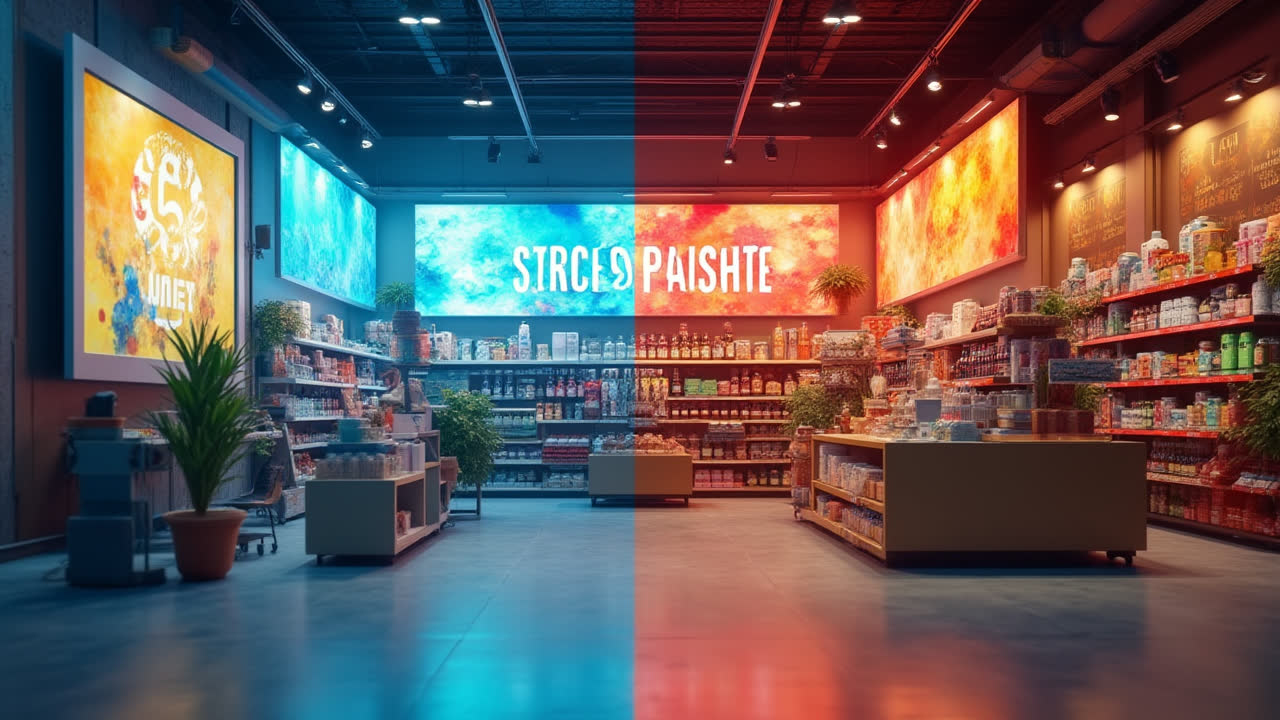
Advertising vs Promotion: Key Differences
| Aspect | Advertising | Promotion |
|---|---|---|
| Scope | Narrow - focused on paid messages | Broad - encompasses all marketing activities |
| Communication Type | One-way communication | Two-way communication |
| Purpose | Creates awareness and drives sales | Creates awareness, drives sales, and builds relationships |
| Duration | Usually short-term campaigns | Can be short-term or long-term |
| Cost | Typically paid media placements | Can include free and paid activities |
| Interaction Level | Limited to no interaction | Encourages customer interaction |
| Control | Full message control | Less message control (especially in PR) |
| Measurement | Reach, impressions, click-through rates | Multiple metrics including brand loyalty, engagement |
How Advertising Fits Into Your Promotional Strategy
Here's what many businesses get wrong: they treat advertising as their entire promotion strategy. It's like using only a hammer when you have a whole toolbox available!
In my experience, advertising works best when it's part of a bigger promotional mix. For instance, I've seen companies run advertising campaigns that lead to promotional events, which then feed into customer loyalty programs. It's all connected!
The most effective marketing I've witnessed combines:
- Targeted advertising to create awareness
- Promotional offers to drive initial purchases
- Personal selling or customer service to build relationships
- Public relations to enhance brand image
It's like cooking – you need the right ingredients in the right proportions. Too much advertising without substance? Your message gets lost in the noise. Too much promotion without focused advertising? Your message might be scattered and ineffective.
Common Mistakes to Avoid
Let me share some blunders I've seen (and might have made myself early in my career):
First, confusing tools with strategy. Just because you're running Facebook ads doesn't mean you have a complete promotional strategy. I once worked with a client who spent thousands on ads but hadn't even set up proper landing pages!
Another big one? Treating advertising and promotion as mutually exclusive. They're dance partners, not competitors. When you integrate them properly, that's when the magic happens. I've seen small businesses outperform bigger competitors simply by coordinating their advertising with well-timed promotions.
Finally, some businesses go all-in on one approach. It's like trying to drive a car with only the gas pedal – you might go fast, but you won't go far (or safely).
Real-World Examples
Let's talk about some brands that really get it right. Take Apple's product launches. Their advertising focuses on sleek visuals and specific features (remember those "Shot on iPhone" campaigns?). But their promotion strategy includes exclusive store experiences, influencer partnerships, and that signature Apple event theater.
On the flip side, I'm thinking of a local restaurant that relied solely on newspaper ads. Great advertising – beautiful food photos, mouth-watering descriptions. But zero promotional strategy beyond that. Guess what happened when the newspaper circulation dropped?
The lesson? While advertising can drive immediate results, promotion builds lasting success. It's about creating multiple touchpoints with your audience rather than putting all your eggs in one basket.
Conclusion
So, what's the bottom line? Advertising is your spotlight moment – focused, targeted, attention-grabbing. Promotion is your entire show – the stage, the lights, the performance, and the after-party.
Understanding that advertising is just one tool in your promotional toolbox can completely transform your marketing approach. It's not about choosing between them – it's about using them together strategically.
I hope this clears up the confusion once and for all. Now, go out there and create some marketing magic!
Frequently Asked Questions
Is advertising more expensive than other promotional activities?
Advertising can be costly, especially on premium platforms like television and prime digital real estate. However, other promotional activities like personal selling and events can also be expensive when you factor in staffing and logistics. The key is finding the right balance for your budget and goals.
Can small businesses benefit from both advertising and promotion?
Absolutely! Small businesses can effectively use both by starting with targeted digital advertising (which can be quite affordable) and combining it with local promotional activities like community events, customer loyalty programs, and social media engagement. The key is to start small and scale based on what works.
How do I measure the success of my advertising versus promotional efforts?
Advertising success is typically measured through metrics like reach, impressions, and conversion rates. Promotional success often requires tracking multiple metrics including customer retention, brand sentiment, customer lifetime value, and overall engagement. Using tools like Google Analytics and CRM systems can help you track both effectively.
Related Posts