Absolute vs Comparative Advantage: Key Differences Explained
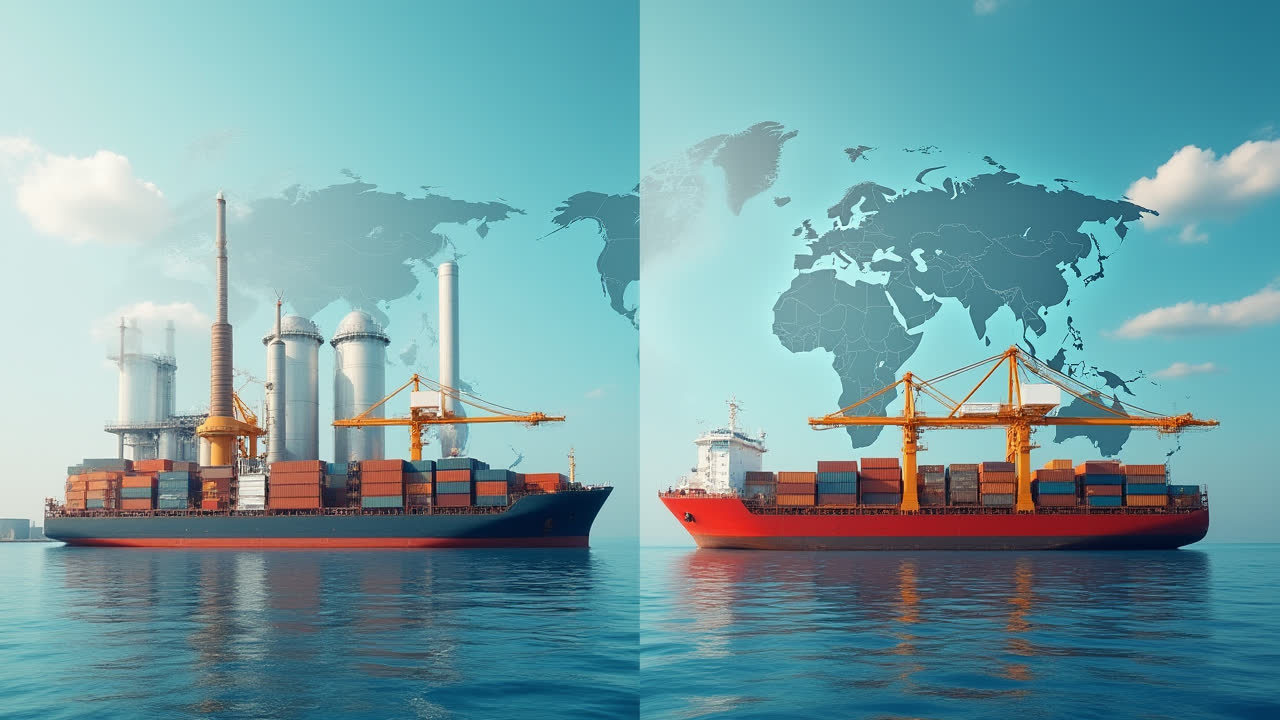
Absolute vs Comparative Advantage: Understanding Trade Theory Fundamentals
I've always been fascinated by how countries decide what to produce and trade. When I first learned about absolute advantage and comparative advantage, it completely changed my understanding of international economics. These two concepts, which might sound similar at first, actually explain the entire foundation of global trade. Have you ever wondered why some countries specialize in technology while others focus on agriculture?
The story of these trade theories began with Adam Smith, who introduced absolute advantage in his groundbreaking work "The Wealth of Nations." Later, David Ricardo expanded on this with his theory of comparative advantage, which revolutionized how economists think about trade. Understanding these concepts isn't just academic theory – it's about making sense of the world economy we live in every day.
Understanding Absolute Advantage in International Trade
Absolute advantage is wonderfully straightforward. It's about which country can produce a good or service most efficiently. I like to think of it as a race where the winner is whoever can make something fastest and cheapest. For instance, if Bangladesh can produce a t-shirt using fewer resources than the United States, Bangladesh has the absolute advantage in t-shirt production.
Let me share a personal example that made this click for me. My friend runs a small bakery, and she makes both bread and pastries. But here's the interesting part – she can bake 50 loaves of bread in an hour, while her competitor across the street can only make 30. In terms of bread production, my friend has the absolute advantage. It's not about quality (both make excellent bread), it's purely about quantity of output per hour.
Unraveling Comparative Advantage: The Opportunity Cost Connection
Now, comparative advantage is where things get really interesting. This concept deals with opportunity cost – what you give up to produce something else. I'll confess, this took me a while to grasp fully. Unlike absolute advantage, comparative advantage says that countries should specialize in producing goods where they have the lowest opportunity cost, even if they don't have an absolute advantage. Mind-blowing, right?
Here's another way to think about it: imagine you're incredibly good at both graphic design and accounting. Even if you're better than your office mate at both skills, it might make more sense to focus on what you do best (where you have the lowest opportunity cost). If you're 50% better at design but only 10% better at accounting, you have a comparative advantage in design. This is exactly how countries benefit from specialization.
| Comparison Factor | Absolute Advantage | Comparative Advantage |
|---|---|---|
| Core Concept | Lower cost per unit production | Lower opportunity cost production |
| Measurement | Direct cost comparison | Trade-off comparison |
| Trade Benefit | One-sided advantage possible | Mutual benefit for all traders |
| Production Focus | Total volume with resources | Relative efficiency comparison |
| Application Scope | Single product analysis | Multiple product scenarios |
| Real-world Impact | Limited trade possibilities | Explains global trade patterns |
| Decision Factor | Resource efficiency alone | Opportunity cost analysis |
| Trading Outcome | May not benefit all parties | Benefits all participating nations |
Real-World Examples: Theory in Practice
Let's make this concrete with some examples I've researched. Consider Japan and the United States. Japan might have an absolute advantage in producing automobiles due to advanced manufacturing techniques. However, the US might have a comparative advantage in agricultural products like wheat. Both countries benefit from trading rather than trying to produce everything themselves. This is the beauty of comparative advantage in action!
Another fascinating case is Switzerland and chocolate. Switzerland doesn't grow cocoa beans (they don't have the climate for it), so they don't have an absolute advantage in cocoa production. But they've developed such expertise in chocolate manufacturing that they have a comparative advantage in producing high-quality chocolate. This shows how countries can develop comparative advantages through specialization and expertise.
Key Differences That Matter in Global Trade
The fundamental difference between these concepts boils down to this: absolute advantage asks "Who can make this cheaper?" while comparative advantage asks "Who should make this based on opportunity costs?" This distinction changes everything in international trade policy.
I've noticed that many people assume countries should only produce what they can make most efficiently. But that's not always the best strategy! Sometimes, a country should produce something even if another country can produce it more efficiently, simply because the opportunity cost is lower. This counterintuitive insight is why comparative advantage remains such a powerful concept in economics.
How These Concepts Shape International Trade Policies
Understanding these differences helps explain why countries pursue certain trade policies. For instance, if a nation has an absolute advantage in multiple industries, it might seem logical to produce everything domestically. However, applying comparative advantage theory reveals that specialization and trade can still increase overall welfare, even for the most efficient economies.
Trade agreements often reflect these principles. Countries negotiate based on their comparative advantages, rather than trying to be self-sufficient in everything. The NAFTA agreement, for example, allowed each North American country to specialize in areas where they had comparative advantages, leading to increased efficiency across the region.
The Evolution of Economic Thought: From Smith to Ricardo
The journey from absolute to comparative advantage represents a significant evolution in economic thinking. While Adam Smith's absolute advantage seemed logical on the surface, David Ricardo's comparative advantage revealed deeper truths about trade. Ricardo showed that even if one country could produce everything more efficiently, specialization based on opportunity costs would still benefit both parties.
This progression reminds me of how science often works – building on previous theories to create more sophisticated understanding. Just as Newton's physics was enhanced by Einstein's relativity, economic theory evolved to better explain the complexities of international trade.
Modern Applications and Future Implications
Today, these concepts remain incredibly relevant, especially in our globalized economy. With digital technologies and remote work changing how goods and services can be produced and delivered, new forms of comparative advantage are emerging. For instance, countries with strong digital infrastructure might develop comparative advantages in tech services, regardless of their traditional economic strengths.
Climate change is also creating new comparative advantages. Countries investing in renewable energy technologies might develop expertise that gives them a comparative advantage in green industries. This evolution shows how comparative advantage isn't static – it can be developed and changed over time.
Frequently Asked Questions
Can a country have absolute advantage but not comparative advantage?
Yes, this is definitely possible. A country might be the most efficient producer of multiple goods (absolute advantage) but still have varying opportunity costs. The country would have comparative advantage only in those products where their opportunity cost is lowest compared to other nations.
How do these concepts apply to developing economies?
Developing economies often focus on products where they have comparative advantages, typically based on lower labor costs or abundant natural resources. Over time, as these economies grow and develop new skills, their comparative advantages can shift towards more sophisticated goods and services.
Does comparative advantage always lead to mutually beneficial trade?
In theory, yes. Comparative advantage suggests that all parties can benefit when each country specializes in producing goods with the lowest opportunity cost. However, the distribution of these benefits can be uneven, and other factors like domestic politics, trade barriers, and global supply chains can influence actual outcomes.
Conclusion: Why These Differences Matter Today
Understanding the distinction between absolute and comparative advantage is more than just academic exercise. These concepts explain the foundation of our global economy and help us make sense of everything from international trade agreements to outsourcing decisions. Whether you're a business owner deciding where to source materials or a policy maker crafting trade legislation, these principles remain essential tools for decision-making.
As our world becomes increasingly interconnected, the lessons from these economic theories become even more relevant. They remind us that cooperation and specialization, rather than attempting to be completely self-sufficient, often lead to the best outcomes for all parties involved.


Related Posts